Korea - Devotion to human welfare
Beyond Tourism: Why KHOREA Exists
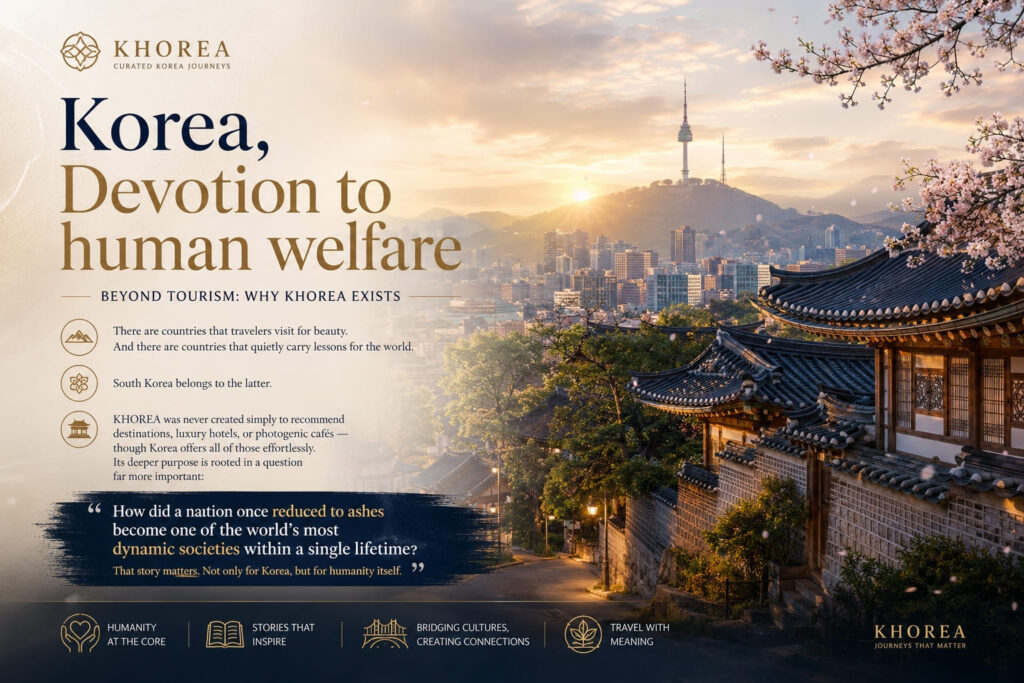
There are countries that travelers visit for beauty.
And there are countries that quietly carry lessons for the world.
South Korea belongs to the latter.
KHOREA was never created simply to recommend destinations, luxury hotels, or photogenic cafés — though Korea offers all of those effortlessly. Its deeper purpose is rooted in a question far more important:
How did a nation once reduced to ashes become one of the world’s most dynamic societies within a single lifetime?
That story matters. Not only for Korea, but for humanity itself.
A Nation Built Upon an Idea
At the philosophical heart of Korea lies an ancient ideal:
Hongik Ingan (홍익인간) —
“To broadly benefit humanity.”
It is not merely a historical slogan.
It is one of the foundational ideals upon which modern Korea was imagined.
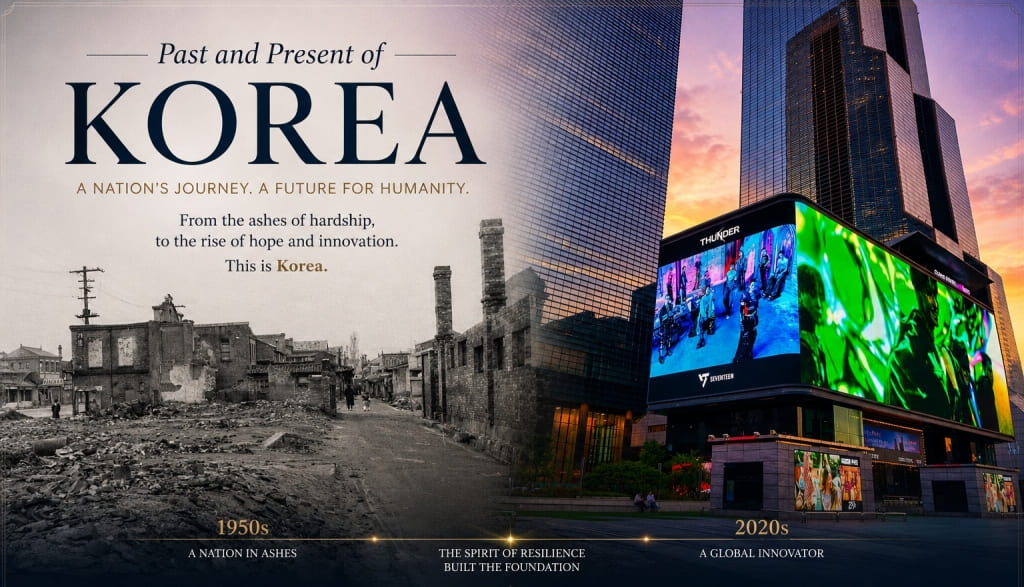
For centuries, the Korean peninsula endured invasion, colonization, war, division, poverty, and near-total destruction during the Korean War. Entire cities vanished beneath smoke and rubble. Families were separated forever. Hunger was ordinary. Hope itself became a form of endurance.
And yet somehow, within a few generations, Korea transformed itself into a global cultural, technological, and economic force.
Not because history was kind to Korea.
But because survival demanded reinvention.
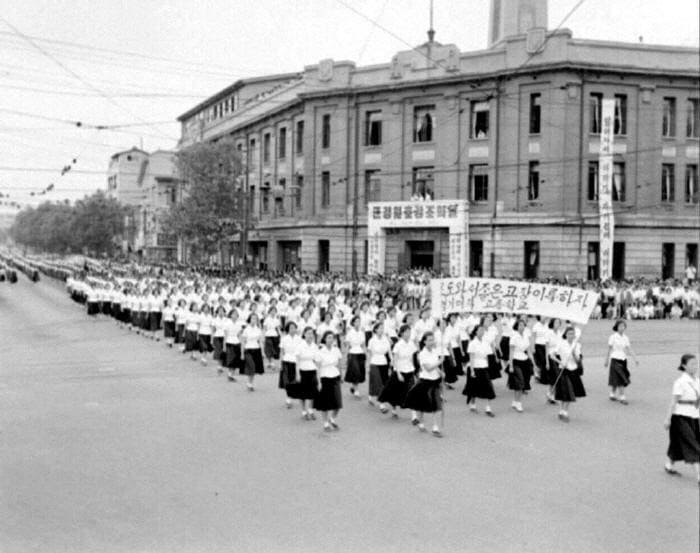
Korea as a Living Classroom
Today, many visitors from developing nations arrive in Korea searching for something deeper than tourism.
They come to observe:
- How education reshaped society
- How infrastructure accelerated growth
- How technology integrated into daily life
- How collective sacrifice rebuilt a nation
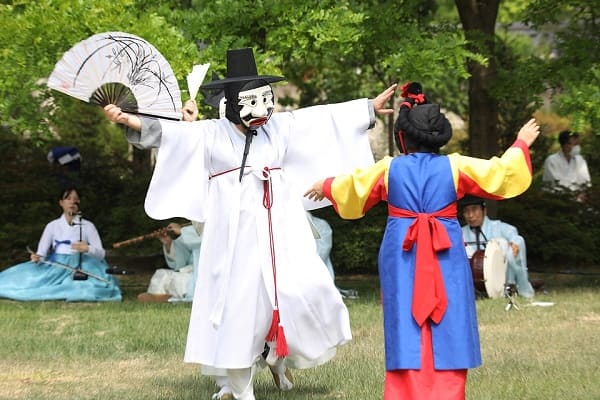
- How cultural identity survived modernization
- How democracy emerged from hardship
Korea is not a perfect country. No nation is.
But it is one of the rare places where the scars of war, the speed of modernization, and the tension between tradition and innovation remain visible simultaneously.
That makes Korea uniquely valuable as a living case study for the modern world.
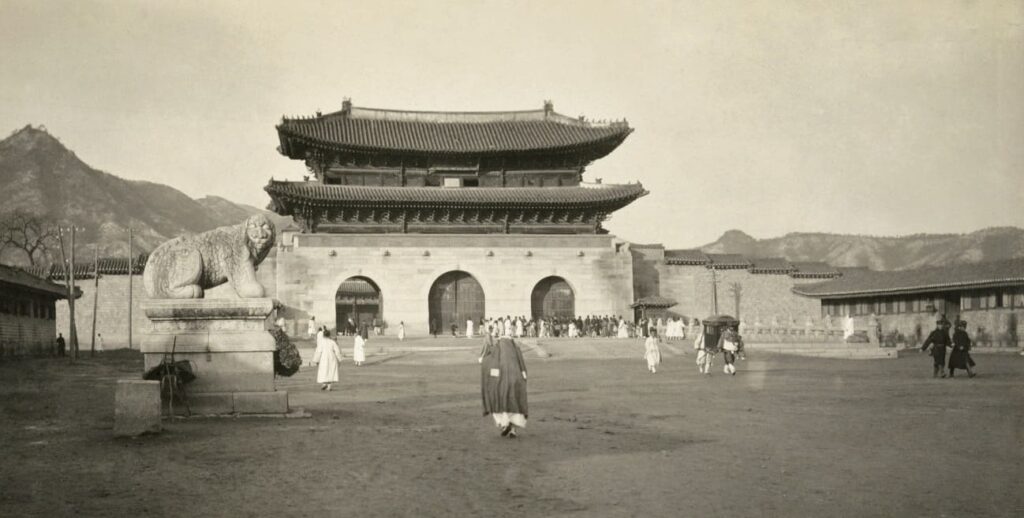
The Lesson Hidden Inside Joseon
KHOREA also exists to ask more difficult questions.
The Joseon Dynasty created extraordinary achievements:
refined philosophy, elegant architecture, scholarship, ceramics, music, calligraphy, and social systems that still shape Korean identity today.
Yet despite possessing a sophisticated culture, Joseon ultimately failed to adapt to a rapidly changing world.
Isolation became vulnerability.
Rigid hierarchy slowed innovation.
Internal division weakened resilience.
Understanding why such a culturally rich civilization declined may be just as important as celebrating its beauty.
Because history is not merely decoration for tourism.
It is instruction.
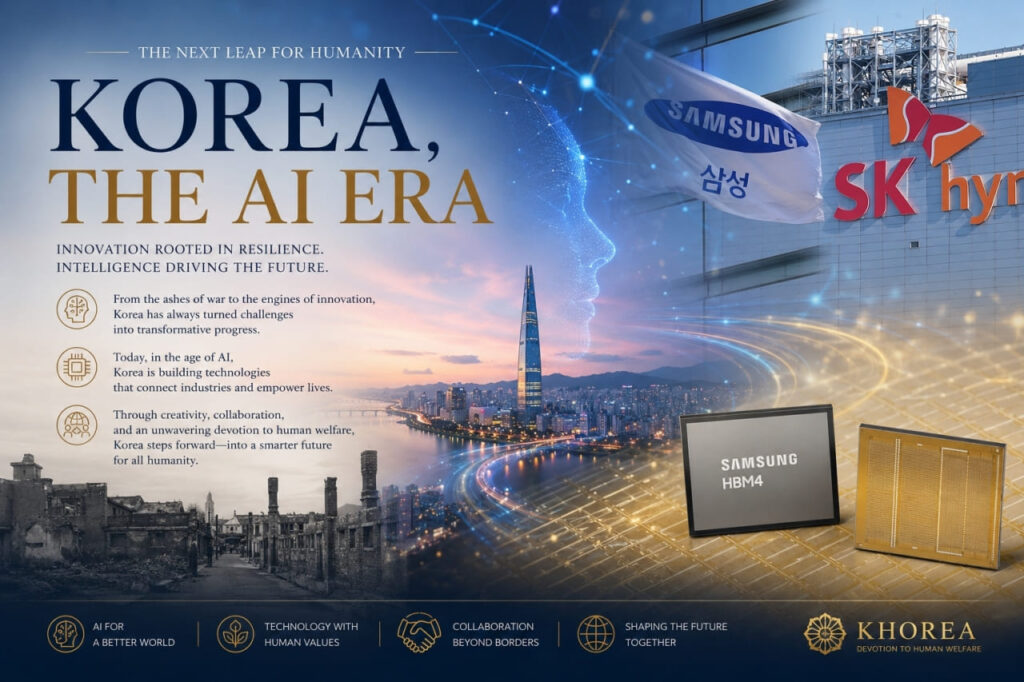
Why This Matters in the AI Era
The world now stands at another turning point.
Artificial intelligence, automation, demographic collapse, climate instability, and geopolitical fragmentation are reshaping civilization faster than most societies can emotionally process.
In this environment, Korea again becomes symbolically important.
A country that once rebuilt itself from devastation now faces the future with some of the world’s most advanced technology, one of the world’s most advanced digital infrastructures, AI integration, and educational intensity — while simultaneously confronting loneliness, aging populations, cultural exhaustion, and hyper-competition.
In many ways, Korea is experiencing tomorrow before much of the world does.
That is why KHOREA is not intended as simple luxury travel media.
It is an invitation.
To explore how nations rise.
How they fail.
How they preserve identity amidst modernization.
And how humanity might cooperate more wisely in the century ahead.
The Real Purpose of Travel
The most meaningful travel changes the traveler.
Not through consumption, but through understanding.
A palace becomes more profound when you understand the wars it survived.
A bowl of humble gukbap↗ carries more meaning when you learn how refugees once survived on it during wartime.
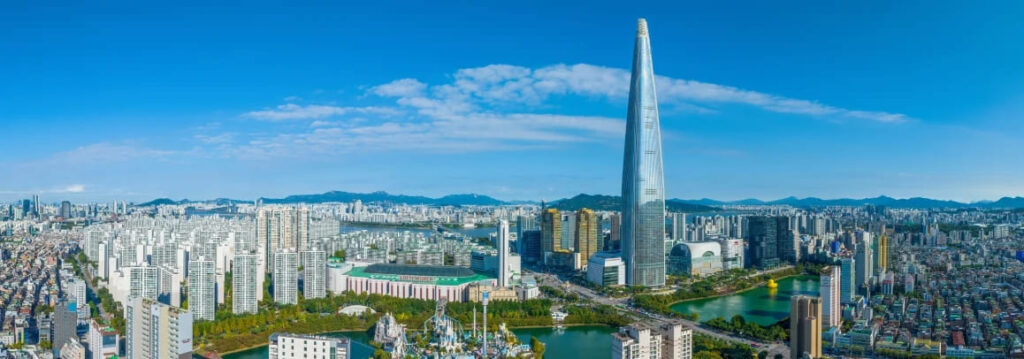
A glittering Seoul skyline feels different when you realize much of it was unimaginable only decades ago.
KHOREA exists to create those connections —
not only between traveler and destination,
but between past and future,
prosperity and sacrifice,
technology and humanity.
Beyond destinations, we hope travelers discover the quieter sensibilities that shape Korea — craftsmanship refined through patience, resilience forged through hardship, restorative cuisine rooted in centuries-old ideas of balance and care, and the delicate balance between rapid modernity and enduring nature.
Not merely a place to visit, but a culture shaped by perseverance, reflection, and an enduring consideration for others.
Because perhaps the greatest luxury the modern world can offer is not excess.
But perspective.
🛏️ Hotels in Myeongdong
Choose your preferred booking partner.





You May Also Like
- Design Your Perfect Korea Trip
- 7 Reasons to Travel to Korea
- Four Seasons in Korea – Year-round Magic
- The Layered City: A Journey Through Seoul’s Hidden Histories
- Seoul’s Five Grand Palaces & Myeongdong Itinerary
- 2027 FISU Universiade—When the World Comes to Korea
- Seoul Food Tours: Where to Eat Beyond the Guidebooks
More to Explore on KHOREA
Discover more stories across Korea — choose a category that inspires you.