Pronounced “Choong-joo” (충주), not “Cheong-joo” (청주).
Cheongju and Chungju are often confused.
Think of Cheongju as the “Clean Town”,
and Chungju as the “Central Town”—the historic heart of Korea.
Best Season at a Glance
🌸 Spring – Blossoms
🍑 Summer – Peaches
🍎 Autumn – Apples
❄ Winter – Quiet Riverside Landscapes
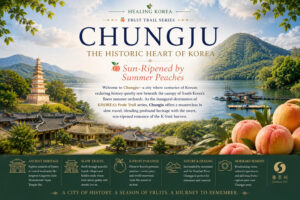
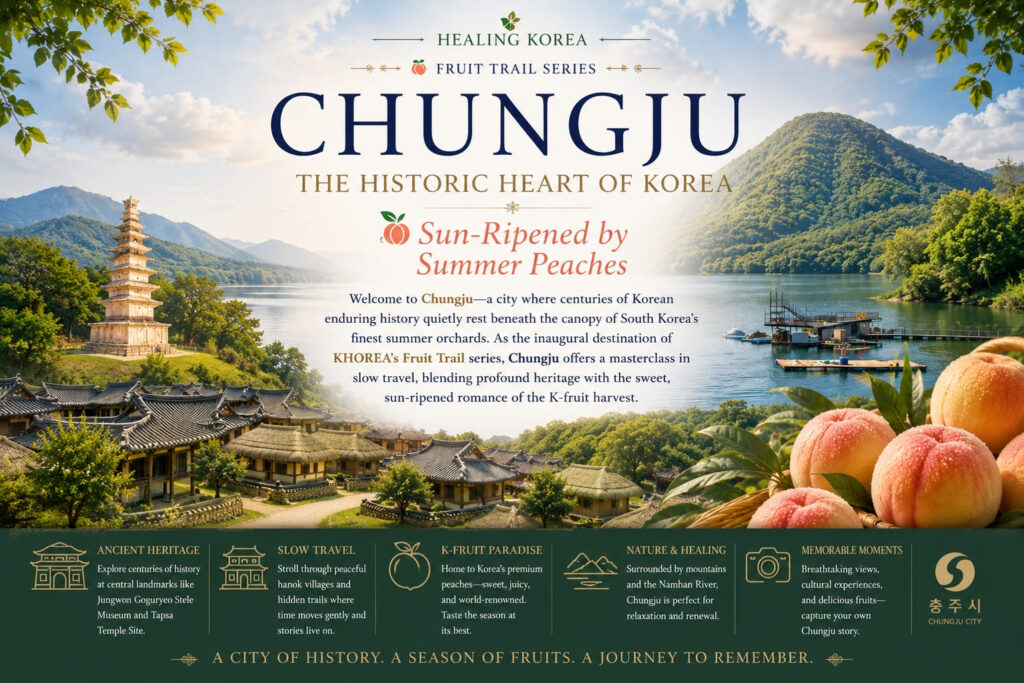
Welcome to Chungju (충주)—a city where centuries of Korean enduring history quietly rest beneath the canopy of South Korea’s finest summer orchards. As the inaugural destination of KHOREA’s Fruit Trail series, Chungju offers a masterclass in slow travel, blending profound heritage with the sweet, sun-ripened romance of the K-fruit harvest.
Chungju: The Historic Heart of Korea
Sweetened by Summer Peaches
There is a distinct turning point in the Korean summer. It arrives just as the heavy monsoon clouds finally break, giving way to a piercingly blue sky and an intense, golden sunlight. For the discerning traveler seeking a respite from Seoul’s restless energy, this is the perfect moment to follow the scent of the season southward.
The Resonance of History
Tangeumdae and the Central Pagoda
To truly understand Chungju, one must first listen to its landscape. Located at the geographical center of the Korean Peninsula, this region was a fiercely contested prize among the ancient Three Kingdoms. It is a place defined by the convergence of lifelines—specifically, the Namhan River.
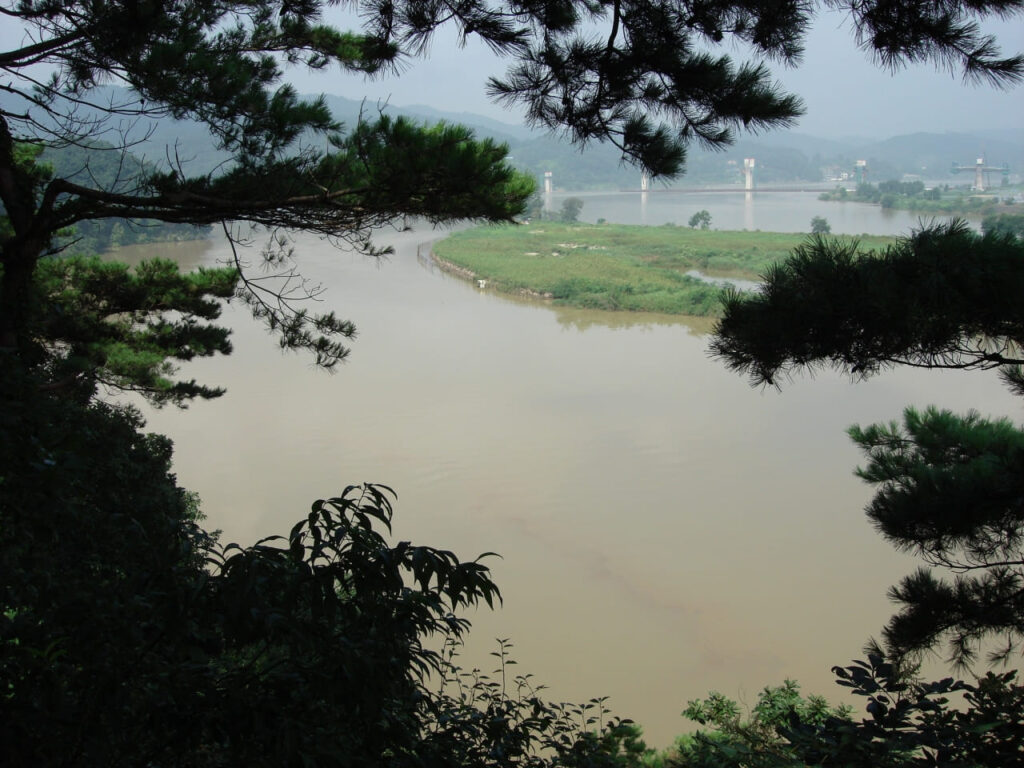
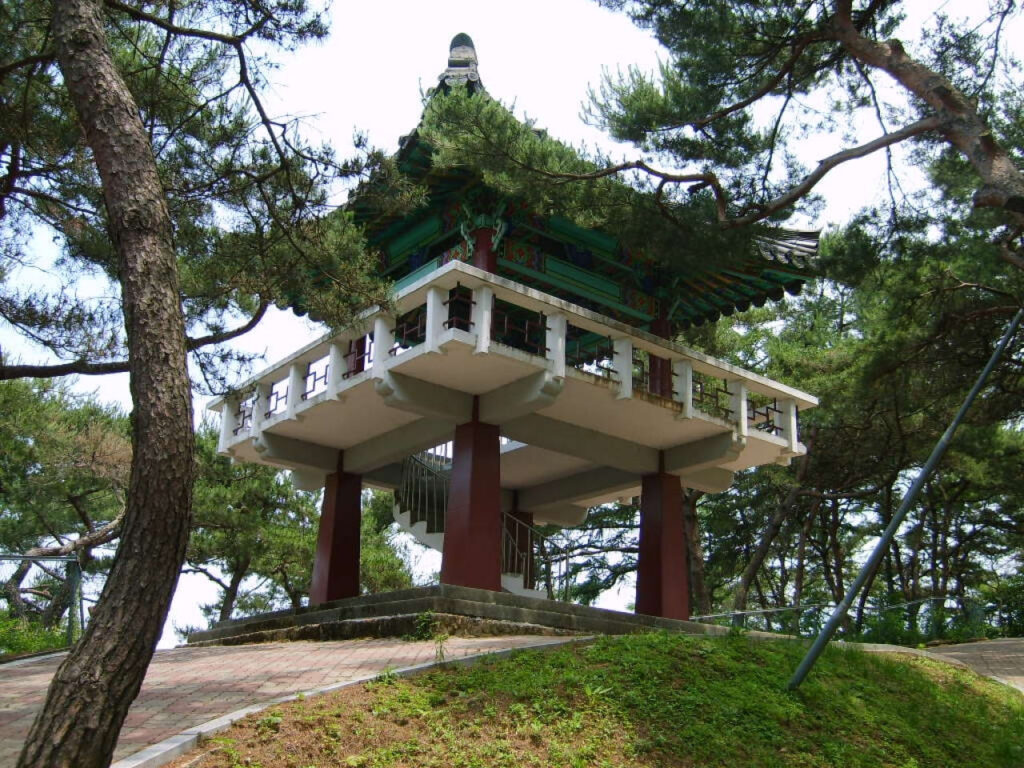
Our journey begins at Tangeumdae Subang (탄금대), a scenic cliff overlooking the winding river. The air here feels thick with memory. Its name translates to “the terrace where the gayageum (traditional Korean zither) is played,” a place forever associated with Ureuk (우륵), a master musician of the 6th century who found solace in the cliff’s sweeping vistas. Yet, Tangeumdae is also a place of poetic melancholy; it was the site of a tragic, last-stand battle during the 16th-century Imjin War. Walking through its shaded pine groves today, the rustle of the leaves feels like a quiet whisper from the past, offering a contemplative stillness that is rare to find in the modern world.
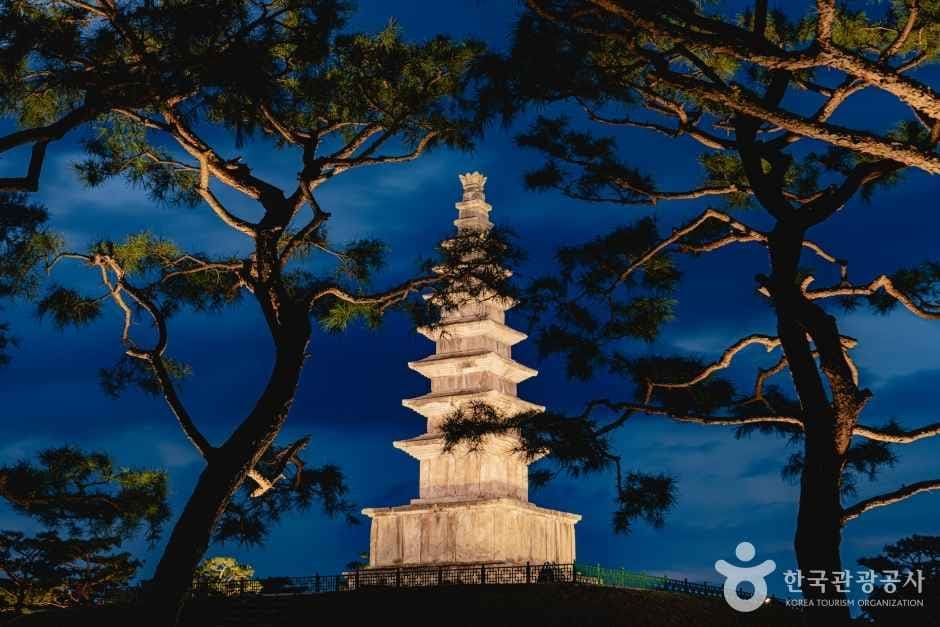
A short drive along the river brings you to the Jungangtap (The Central Pagoda, 중앙탑). Officially known as the Seven-story Stone Pagoda in Tappyeong-ri, this towering structure was built during the Unified Silla Kingdom to mark the symbolic center of the country. Standing tall against the summer sky, surrounded by a tranquil lakeside park, it serves as a beautiful, minimalist monument to the country’s ancient geography.
The Modern Harvest
Sun-Drenched Peaches and the Legacy of the Soil
While Chungju’s bones are built on history, its current pulse is remarkably vibrant and sweet. The very same geographical features that made Chungju a strategic historical hub—its fertile basin, rich water sources from the river, and the dramatic temperature swings between day and night—make it the ultimate sanctuary for fruit cultivation.
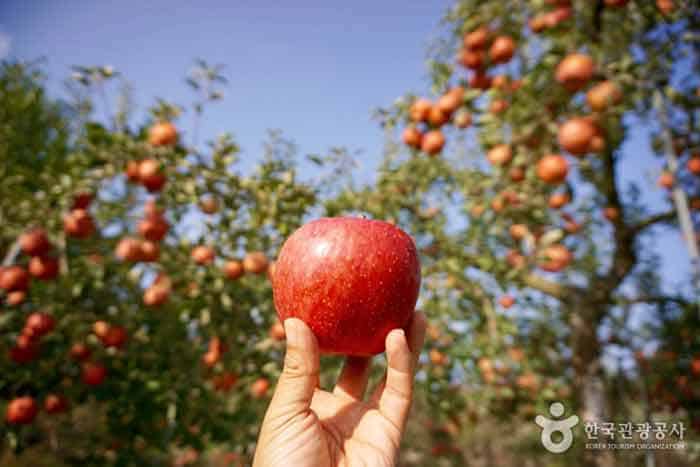
Though famously recognized as Korea’s premier apple country, mid-to-late summer belongs entirely to the Chungju Peach.
Walk into the local orchards just after the monsoon season, and you are greeted by a scene straight out of a pastoral painting. Rows of trees bend gracefully under the weight of plump, sun-drenched peaches, each gently wrapped in white paper to protect their delicate, velvet skin. Unlike fruit harvested for long-distance distribution, these premium peaches are treated like art. They boast an incredibly high sugar content, an intoxicating aroma, and a perfect balance of crispness and overflowing juice.
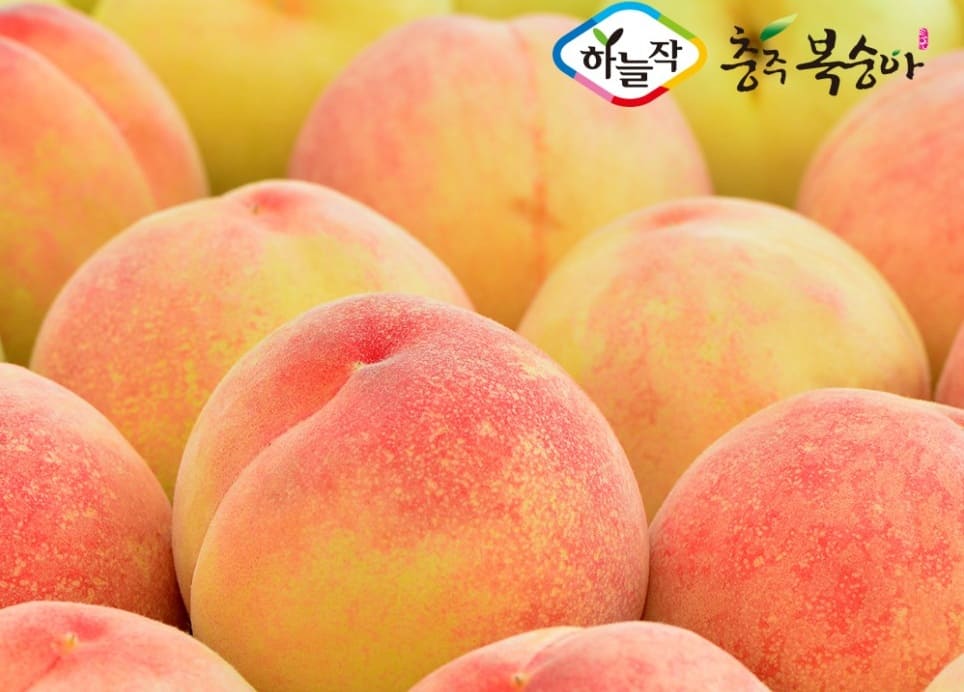
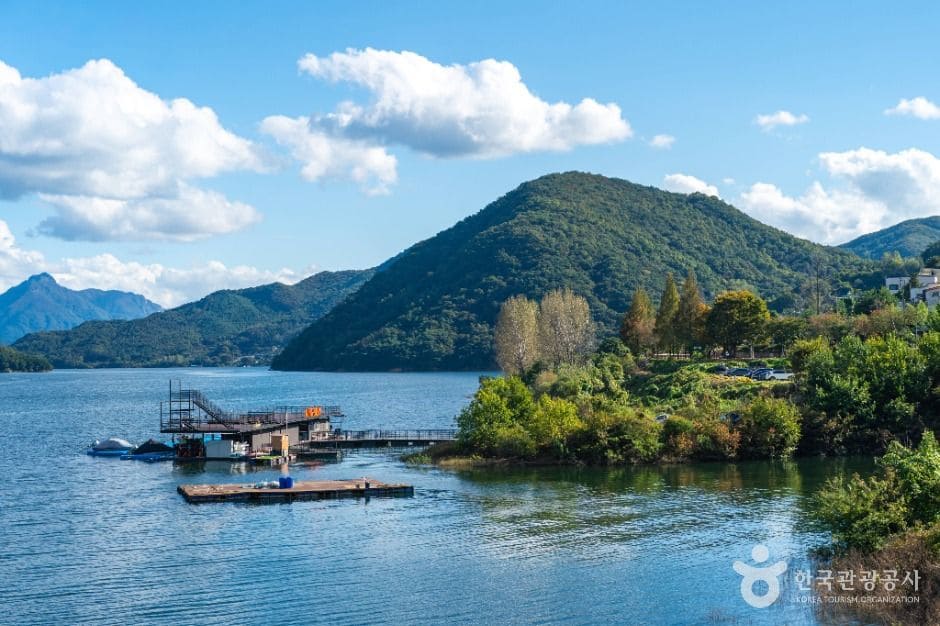
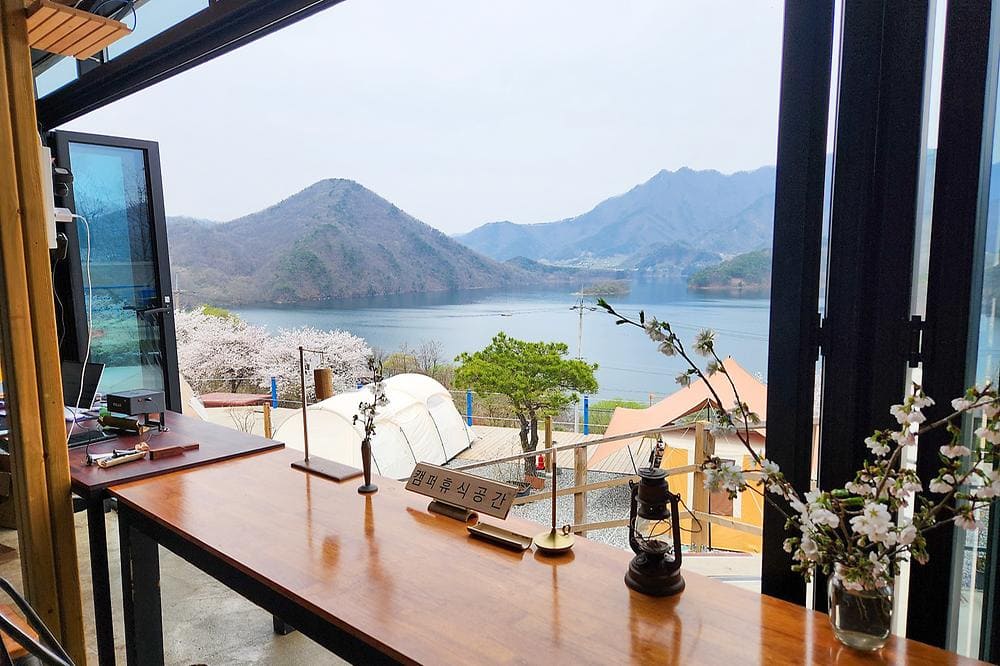
For the luxury traveler, this is an invitation to connect with the land. thoughtfully designed cafes and boutique orchards in the area offer curated tasting experiences, where you can savor freshly plucked peaches alongside artisanal peach-infused desserts, all while overlooking the serene, mist-covered waters of Chungju Lake.
The Travel Hub: A Gateway to Regional Exploration
Chungju’s historical role as a central hub remains unchanged in the modern era. Strategically positioned where major expressways and railways intersect, Chungju acts as the perfect inland gateway.
After grounding yourself in the history of Tangeumdae and indulging in the Fruit Trail, Chungju serves as an effortless launching pad to explore deeper into Korea’s hidden interior. From here, you can easily venture into the dramatic peaks of Woraksan National Park, indulge in the soothing waters of the ancient Suanbo Hot Springs (수안보 온천), or smoothly transition your journey toward the eastern coastal regions or the southern valleys. It is the ultimate bridge between the capital and the deep provinces.
Curated Travel Guide: How to Get There from Seoul
Chungju is one of Korea’s best-kept secrets for a sophisticated weekend getaway, offering seamless accessibility from Seoul.
By Premium Express Bus (Recommended for Comfort)
Depart from the Seoul Central City Bus Terminal (Honam Line) or the East Seoul Bus Terminal. Premium express buses operate frequently throughout the day. The journey takes approximately 1 hour and 30 minutes to 2 hours, delivering you straight to the Chungju Intercity Bus Terminal in air-conditioned comfort.
By Train (KTX-Eum)
Travelers staying in Gangnam may find Pangyo Station especially convenient.
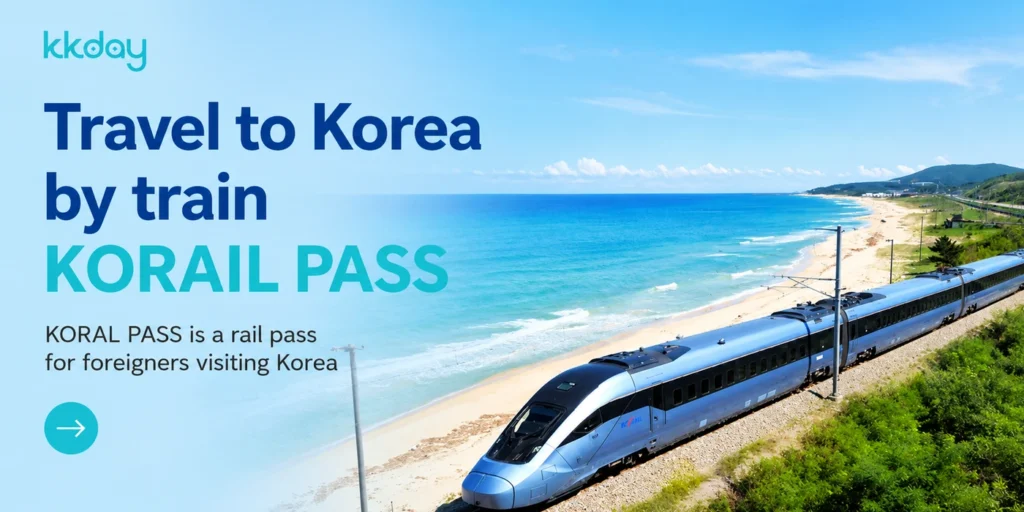
For a sleek, modern rail experience, take the KTX-Eum from Pangyo Station (easily accessible via the Shinbundang subway line from central Seoul). The high-speed train brings you to Chungju Station in just about 1 hour, making it an incredibly efficient option for a day trip or an overnight stay.
Editor’s Note
The beauty of Chungju lies in its patience. It does not rush to impress you with neon lights; instead, it invites you to slow down, feel the historical breeze at Tangeumdae, and taste the fleeting perfection of a summer peach.
Stay tuned for our next destination on the KHOREA Fruit Trail, as we follow the changing seasons to Korea’s next great harvest.
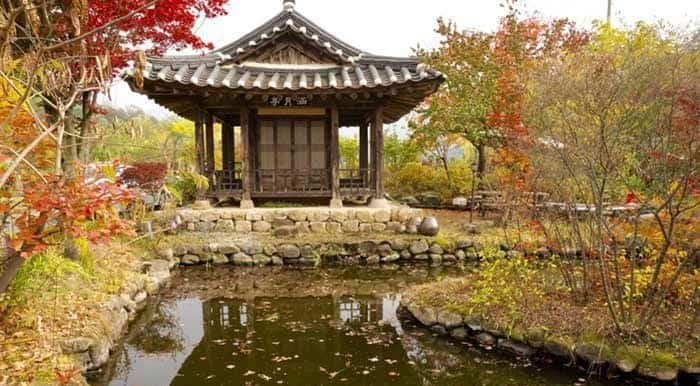
Between mountains and rivers, Chungju quietly became one of Korea’s favorite filming destinations.
🎬 Chungju in Film & Drama
- Crash Landing on You (2019, 사랑의 불시착) Starring: Hyun Bin, Son Ye-jin
Emotional scenes were filmed around Jungangtap Park and Binaeseom Island, where the Namhangang River creates one of Chungju’s most peaceful landscapes. - Vincenzo (2021, 빈센조) Starring: Song Joong-ki, Jeon Yeo-been
Sujupalbong Suspension Bridge and Jungangtap Park became memorable backdrops for several heartfelt scenes in this hit drama. - Peppermint Candy (1999, 박하사탕) Starring: Sul Kyung-gu, Moon So-ri
The nostalgic riverside near Samtan Station became one of the film’s most unforgettable locations, symbolizing memory and the passage of time. - Love Rain (2012, 사랑비) Starring: Jang Keun-suk, Yoona
Several scenic riverside locations around Chungju complemented the drama’s gentle and nostalgic atmosphere.
You May Also Like
- Feel the sensation: Gugak Korean traditional music
- The Korean Bread Trail
- The Ceramic Trail of Korea
- Tteok Trail: Where Korea Pauses
- Benikea Hotel Chain – Best Night in Korea
More to Explore on KHOREA.COM
Discover more stories across Korea — choose a category that inspires you.