What is Chuseok?
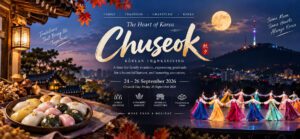
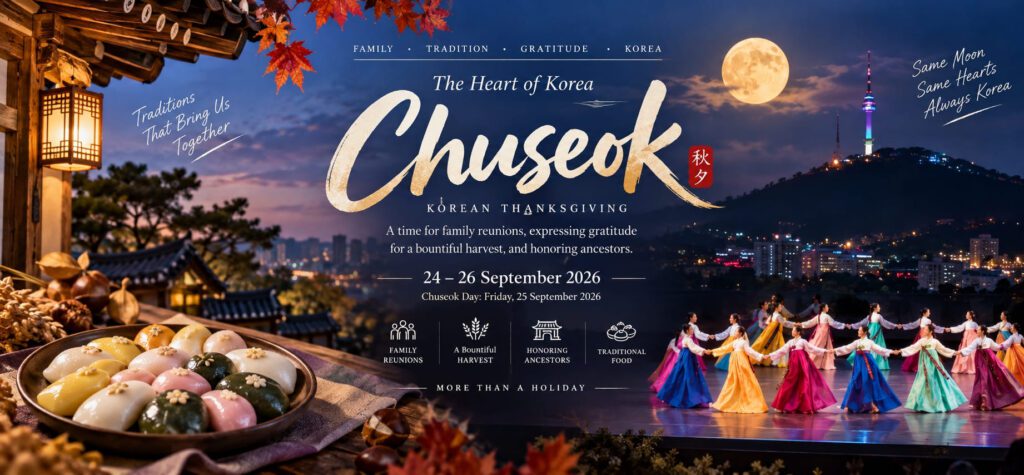
Welcome to the ultimate guide to Chuseok (추석), one of South Korea’s most important traditional holidays. Often referred to as “Korean Thanksgiving,” Chuseok is a time for family reunions, expressing gratitude for a bountiful harvest, and honoring ancestors.
- *2026 Chuseok Dates: September 24 (Thu)–26 (Sat), with Chuseok Day falling on Friday, September 25, 2026. Including Sunday, September 27, the holiday period effectively spans four days.
1. The Meaning of Chuseok & The Lunar Calendar
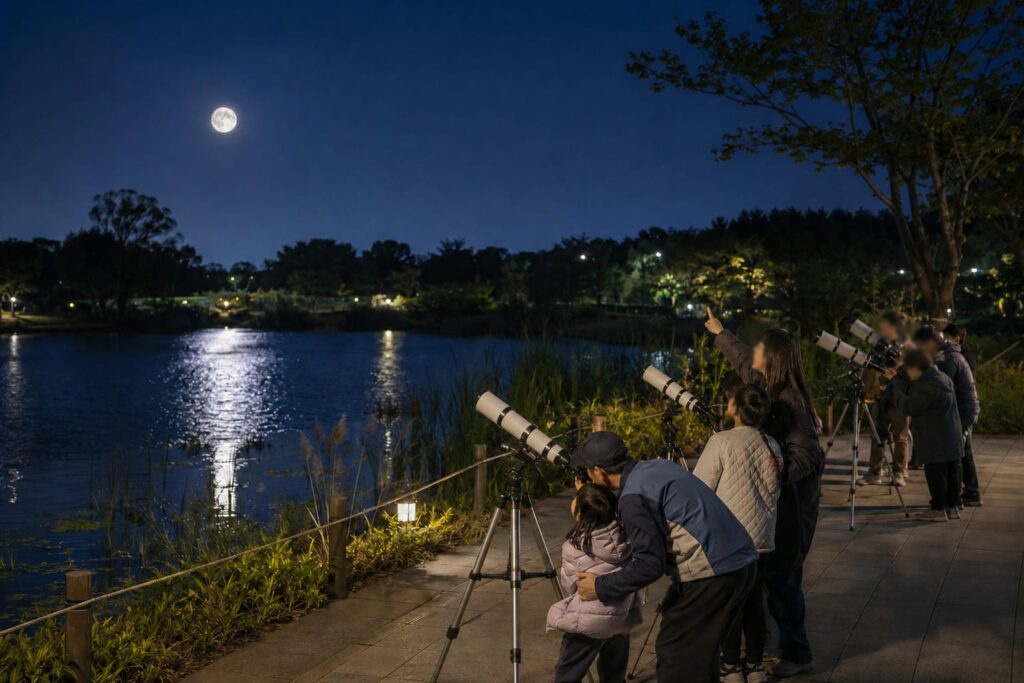
Chuseok literally means “autumn evening.” It falls on the 15th day of the eighth month of the lunar calendar, when the full moon traditionally marks the height of the autumn harvest season.
Because traditional holidays such as Chuseok are based on the lunar calendar, their Gregorian dates change every year, typically falling in late September or early October. Historically, the lunar cycle dictated agricultural seasons, making the full moon of the eighth month a symbol of peak abundance, fertility, and completion.
2. Origin and Cultural Significance
The Origin
Historical records connect Chuseok with Gabi (가비), a month-long weaving competition held during the Silla Dynasty. According to the Samguk Sagi (삼국사기), two teams competed in weaving, and the losing team prepared a feast, songs, and dances for the winning team. The tradition is often regarded as one of the historical roots associated with Chuseok.
Cultural Significance
Today, Chuseok holds deep emotional and cultural value for Koreans:
- Family Reunions: Millions of people travel across the country during the holiday, returning to their hometowns to gather with family and relatives. This annual movement of people is sometimes described in Korea as a “great migration”.
- Beolcho (벌초): Before Chuseok, family members visit ancestral graves to clear weeds and tidy up the grounds as a sign of filial piety.
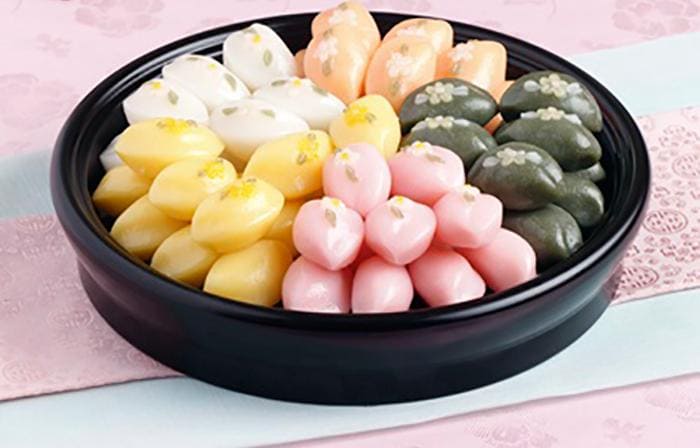
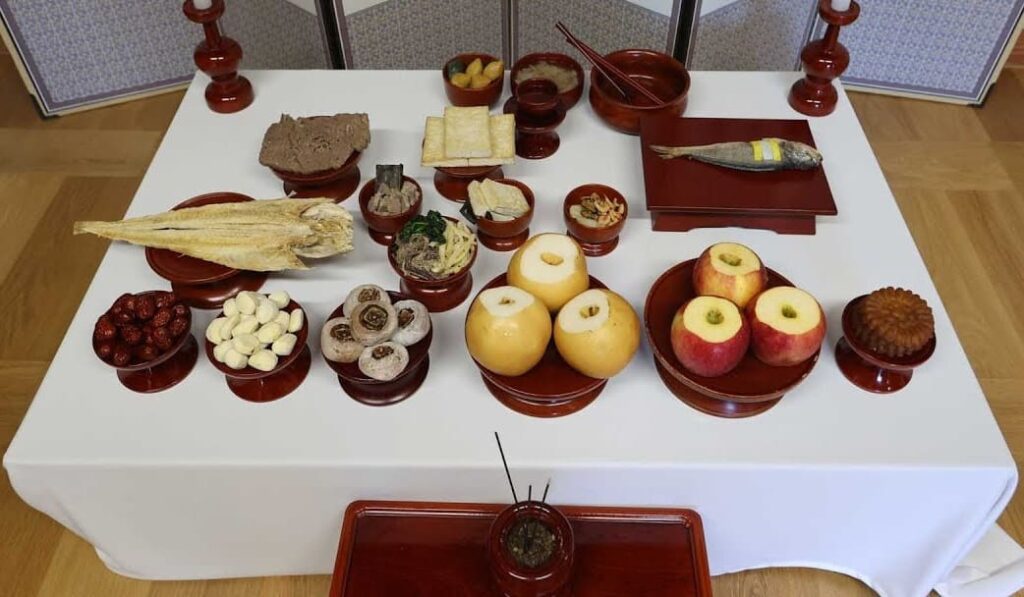
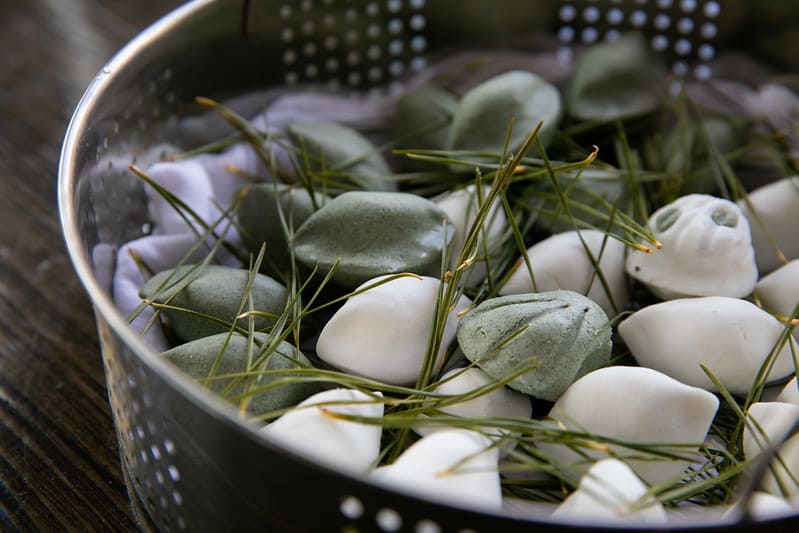
- Charye (차례): Families perform ancestral memorial rites in the morning, preparing a ritual table filled with newly harvested crops, fruits, and traditional foods like songpyeon (송편) (half-moon-shaped rice cakes) to thank ancestors for the year’s blessings.
3. Traditional Folk Games of Chuseok
To celebrate the harvest and pray for good fortune, communities historically engaged in various lively folk games. Key traditions include:
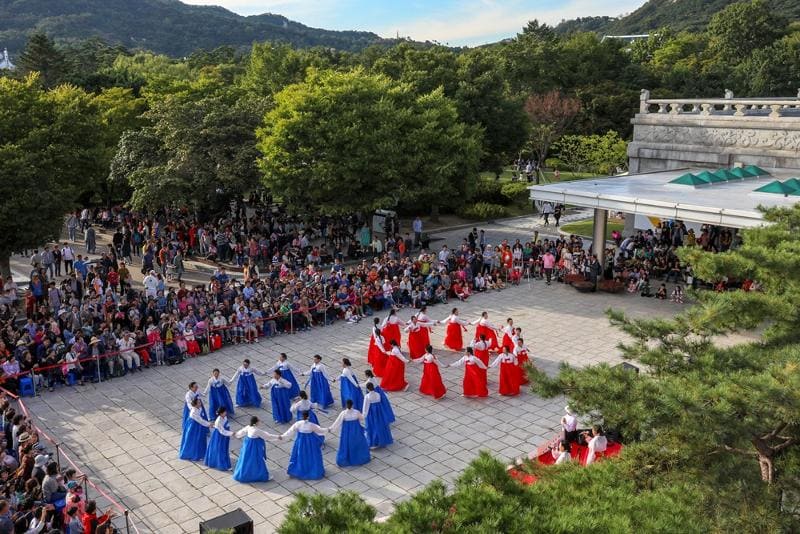
- Ganggangsullae (강강술래): A traditional circle dance performed by women under the bright full moon, accompanied by traditional folk singing. It is traditionally associated with women gathering in a circle to sing and dance under the full moon. A popular legend connects the dance to military deception during the Joseon Dynasty, although its exact origins are uncertain.
- Ssireum (씨름): Traditional Korean wrestling where two opponents grab each other’s satba (fabric belt) and use strength and technique to bring each other to the sand.
- Neolttwigi (널뛰기): A dynamic jumping game similar to a seesaw, Traditionally associated with women, the game involves two players taking turns jumping on opposite ends of a long wooden board, using each other’s momentum to leap into the air. Folklore sometimes suggests that women used the game as a way to see beyond the walls of traditional homes.
Chuseok in Korea 2026: What Travelers Can Do
Best Places to Visit During Chuseok (2026)
If you are traveling in Korea during the 2026 Chuseok holidays, many modern commercial areas may close down, but cultural landmarks offer vibrant, specialized festive programs:
- Namsangol Hanok Village (Seoul): Hosts Namsan Moonlight Madang from September 25–27, featuring traditional performances, hanbok experiences, traditional games, and a K-food market.
- National and Regional Museums: Many museums across Korea offer special Chuseok programs, including traditional performances, crafts, and hands-on cultural activities. Check each museum’s official website for holiday schedules and program details.
- Namhansanseong Fortress (Gyeonggi-do): Offers special Chuseok programs from September 24–27, including fortress trail tours, evening walks, and traditional Korean music performances.
- Andong Maskdance Festival (Andong): Held from September 24 to October 4, 2026, the festival brings traditional mask dance performances and cultural programs to Andong during the Chuseok and early autumn season.
💡 Travel Tip for 2026: Train and express bus tickets can sell out quickly during Chuseok, so book as early as possible once reservations open.
Special Night Openings and Museum Events in Seoul (Chuseok 2026)
If you are exploring Seoul during the 2026 Chuseok holiday (September 24–27), you have a wonderful opportunity to experience the city’s cultural heritage under the evening sky, with many public cultural institutions offering free admission or special holiday programs.
🌙 Royal Palaces Open Late at Night
While major palaces like Gyeongbokgung and Changdeokgung offer general daytime visits, certain historic sites provide magical night view experiences during the autumn season:
- Royal Palaces and Historic Sites: Some royal palaces and historic sites offer extended evening hours or special night-viewing programs at certain times of the year. Check the official palace websites for current holiday schedules.
- Gyeongbokgung Palace Special Night Viewing: Special night-viewing programs are held at selected times during the year. If a night viewing is scheduled during your visit, advance reservations or separate admission rules may apply.
🏛️ Museums & Cultural Centers Alive with Night Programs
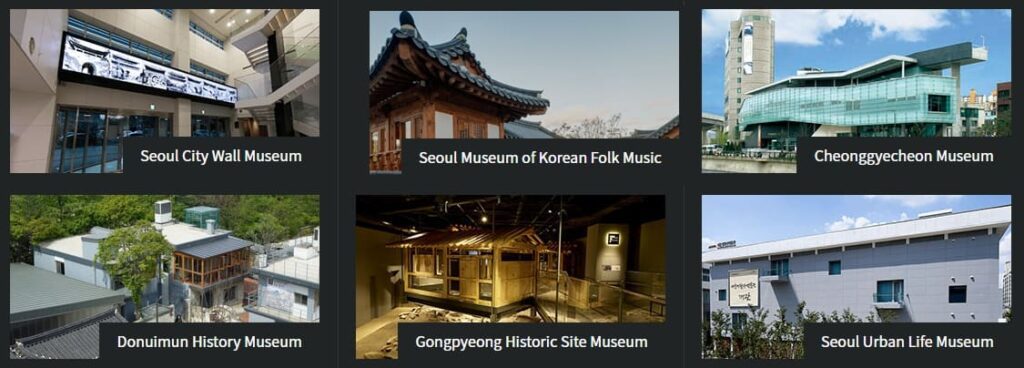
Seoul’s museums and cultural institutions are offering special Chuseok programs, traditional performances, and holiday activities:
- Seoul Museum of History: Hosts Osaek Chuseok on September 26, a special holiday event featuring fusion gugak performances, traditional games, traditional farming experiences, folk painting, and wishing-lantern crafts.
- Seoul Museum of Korean Folk Music: From September 24–27, visitors can enjoy traditional games and hands-on cultural activities throughout the holiday. On September 24, the program also features a performance by the Korean traditional music ensemble Modam, well-wishing calligraphy, and a Ganggangsullae experience.
- Seoul Craft Museum & Seoul Museum of Art: Their main exhibitions remain open to the public, offering visitors a chance to explore contemporary Korean craft and art during the Chuseok holiday.
🌟 Tip for Night Explorers: The combination of cool autumn night breezes, illuminated ancient architecture, and traditional festive sounds makes Seoul’s night spaces an unforgettable highlight of the 2026 Chuseok holidays!
Hotels in Myeongdong
Stay within walking distance of Seoul’s most popular shopping streets.



You May Also Like
- Seoul’s Five Grand Palaces & Myeongdong Itinerary
- Andong Maskdance Festival 2026
- Tteok Trail: Where Korea Pauses
- BIFF 2026 (Busan International Film Festival): The Complete Guide
- Kdrama Hotels: Stay Where the Stories Were Filmed (Part 1)
- 2027 FISU Universiade—When the World Comes to Korea
- Myeongdong Travel Guide 2026 – Where to Stay, Eat & Shop in Seoul
- The Layered City: A Journey Through Seoul’s Hidden Histories
- Seoul Food Tours: Where to Eat Beyond the Guidebooks
More to Explore on KHOREA
Discover more stories across Korea — choose a category that inspires you.