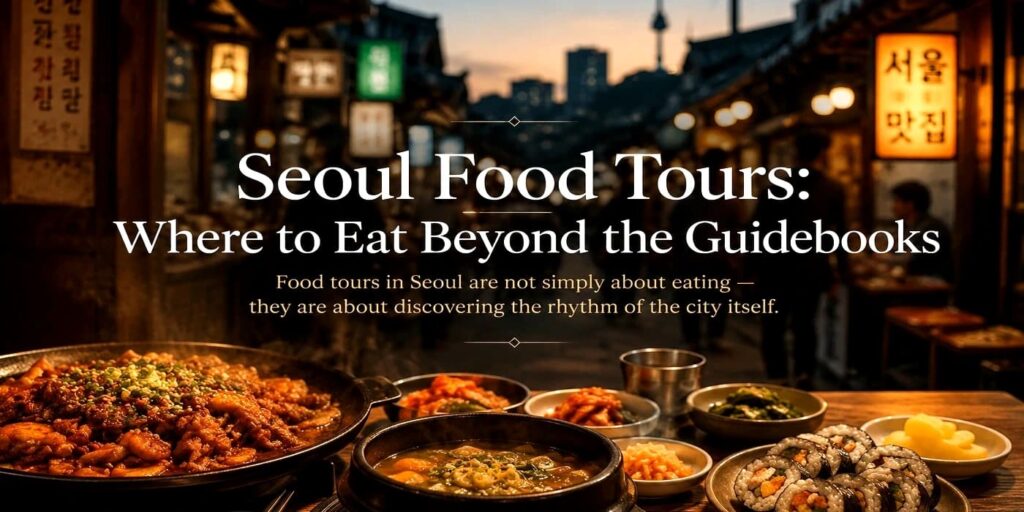
Discover Seoul food tours and local Korean dining beyond tourist guidebooks
Introduction
Seoul reveals itself most clearly through food.
From smoky Korean barbecue restaurants hidden in alleyways to late-night street food stalls glowing beneath neon signs, the city’s culinary culture is inseparable from its neighborhoods. While many travelers arrive searching for famous dishes, the real experience often comes from understanding where locals gather, what certain foods mean culturally, and how each district reflects a different side of Seoul.
Food tours in Seoul are not simply about eating — they are about discovering the rhythm of the city itself.
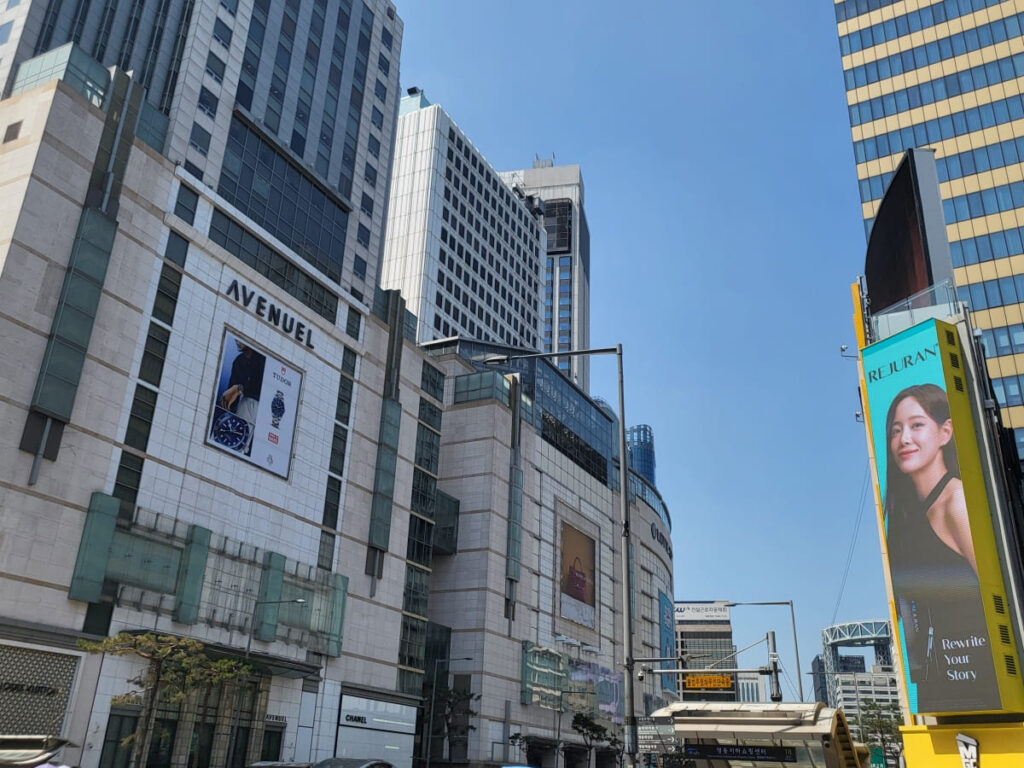
Myeongdong Food Tour
Understanding Myeongdong Through Food
The Financial Origins of Myeongdong
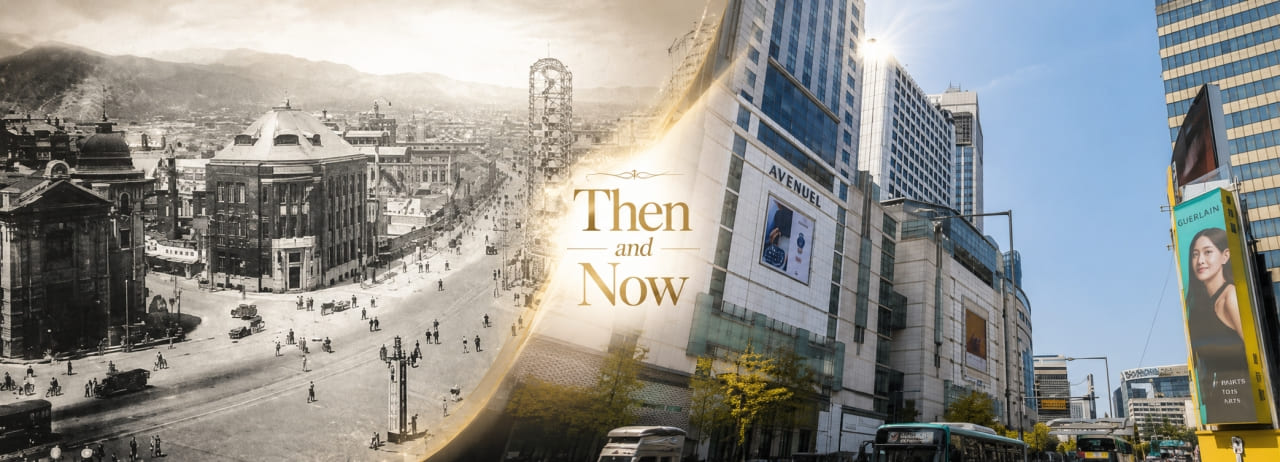
Long before Myeongdong became one of Seoul’s busiest shopping districts, it was the financial heart of modern Korea. Located in the heart of central Seoul, Myeongdong has long been one of the city’s busiest commercial districts. While modern fashion stores and global beauty brands dominate the main streets today, the neighborhood remains deeply connected to Korean street food culture.
From the 1920s through the late 1970s, banks, brokerage houses, and trading offices concentrated around Myeongdong’s narrow streets, turning the neighborhood into the symbolic center of Korean capital before the country’s financial industry gradually relocated to Yeouido. Where money flowed, restaurants inevitably followed.
Street Food After the Korean War
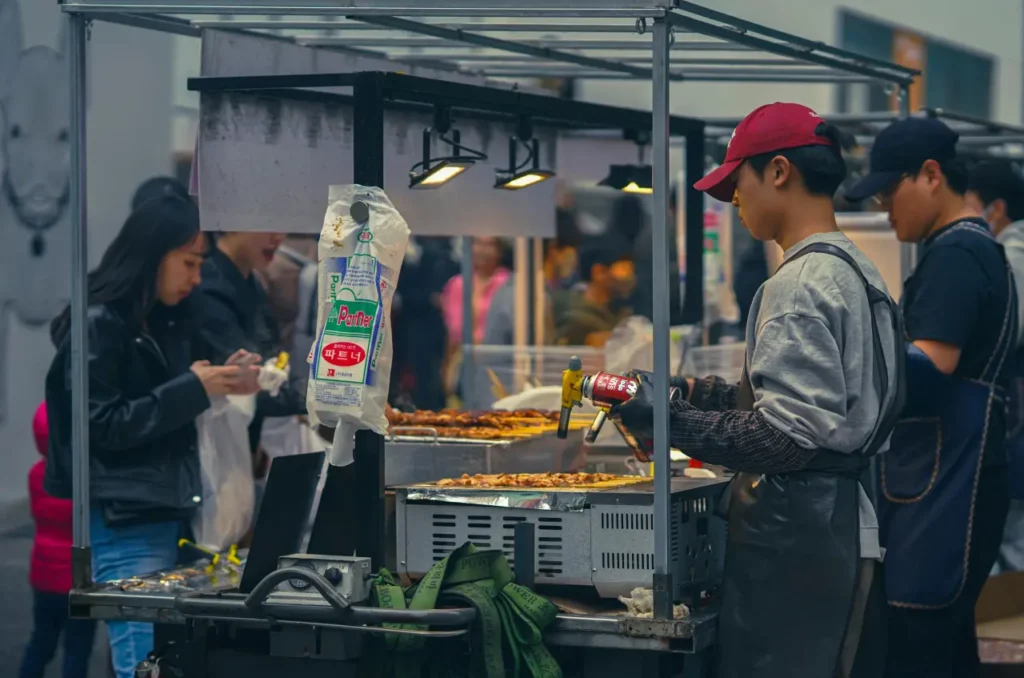
In the years after the Korean War, displaced families and street vendors began selling simple foods from hand-pulled carts to survive. Tteokbokki, fish cakes, roasted sweet potatoes, and other inexpensive snacks slowly became part of the district’s everyday rhythm, feeding the crowds moving through Seoul’s rapidly modernizing center.
At the same time, Myeongdong also developed a more established dining culture. Traditional restaurants serving dishes such as kalguksu and Korean-style pork cutlets earned loyal followings, helping define the neighborhood long before global franchises and beauty stores arrived.
As Seoul’s financial center shifted toward Yeouido in the 1980s, Myeongdong gradually transformed alongside it. The more exclusive dining culture that once defined the district gradually gave way to a louder, faster, and far more accessible food scene shaped by tourism, shopping, and the energy of the streets.
Seoul’s street food is reflecting decades of economic transformation
Myeongdong Today
Myeongdong’s food culture evolved alongside Seoul itself, reflecting decades of economic transformation, postwar survival culture, and the rise of modern tourism.
Today, Myeongdong’s food scene reflects decades of transformation layered onto the same streets — a place where Seoul’s economic history, postwar survival culture, and modern tourism industry continue to intersect beneath neon signs and rising steam.
As evening approaches, the atmosphere transforms. Food stalls begin filling the streets with the aromas of grilled seafood, spicy sauces, fried snacks, and sweet desserts, creating one of Seoul’s most energetic nighttime scenes.
Unlike traditional markets, Myeongdong’s food culture feels fast-paced, visual, and constantly evolving — designed as much for exploration as for convenience.
For first-time visitors to Seoul, Myeongdong often serves as the perfect introduction to Korean street food.
What to Expect on a Myeongdong Food Tour
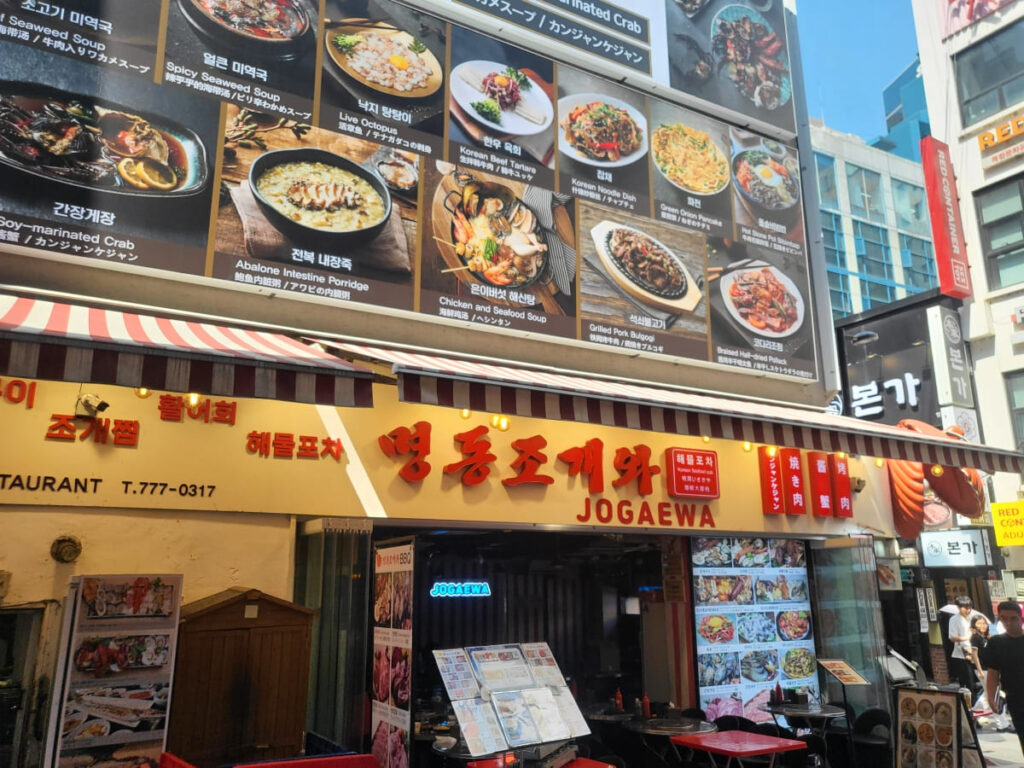
A typical food tour in Myeongdong combines classic Korean street food with local cultural insights. Rather than focusing on luxury dining, the experience centers around movement, atmosphere, and variety.
Common highlights include:
- Tteokbokki (spicy rice cakes, 떡볶이)
- Korean fried chicken (치킨)
- Hotteok (sweet pancakes, 호떡)
- Grilled lobster and seafood skewers
- Gimbap (김밥) and Korean snacks
- Korean convenience store culture
- Local dessert cafés
Many tours also include short walks through nearby landmarks such as:
- Myeongdong Cathedral↗
- Namsan viewpoints, N Seoul Tower↗
- Traditional side streets hidden behind the main shopping avenues
Why Travelers Love Myeongdong Food Tours
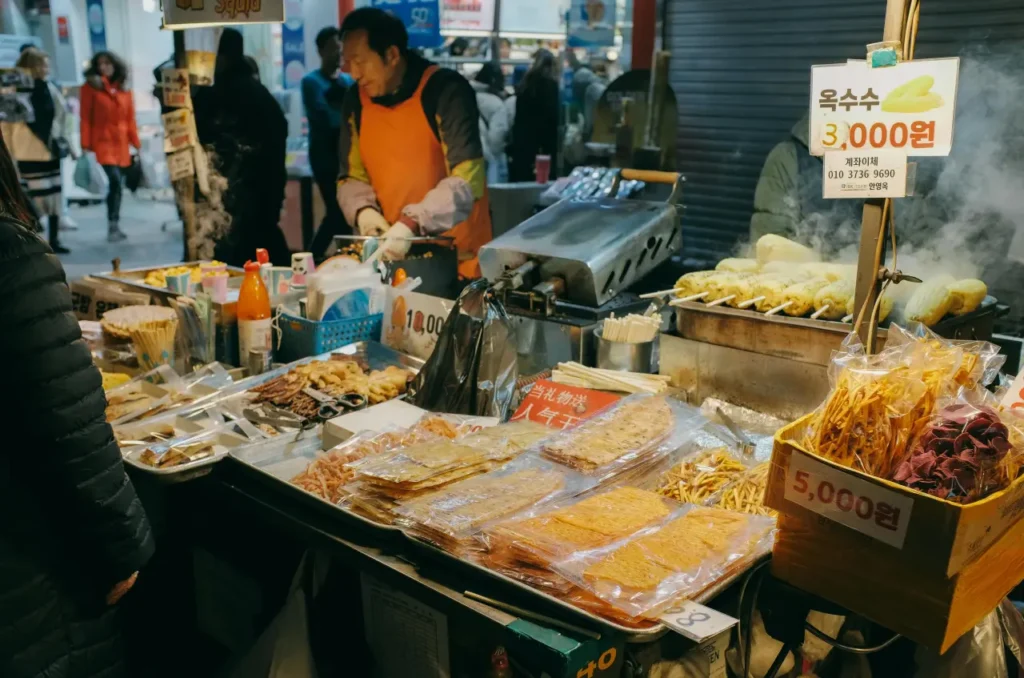
For international visitors, Myeongdong offers one of the easiest and most approachable introductions to Korean cuisine.
The neighborhood is:
- Walkable
- Tourist-friendly
- Open late into the evening
- Packed with food variety within a compact area
Most importantly, the district allows travelers to try many different dishes in a short amount of time — making it ideal for first-time visitors who want broad exposure to Korean flavors.

Gwangjang Market Food Tour
Seoul’s Most Historic Food Market
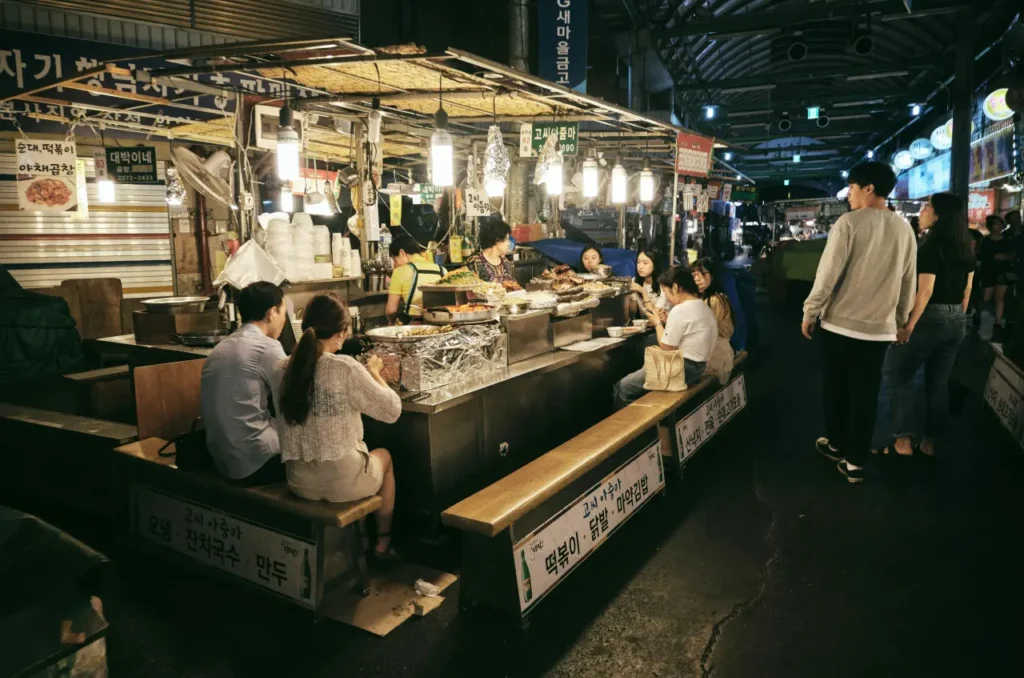
For travelers looking beyond polished shopping streets, Gwangjang Market offers a more traditional and deeply local side of Seoul.
Opened in 1905, the market remains one of Korea’s oldest continuously operating traditional markets. Narrow aisles packed with sizzling food stalls create an atmosphere that feels immersive, chaotic, and unmistakably Seoul.
Unlike Myeongdong’s modern street-food culture, Gwangjang Market focuses on dishes rooted in Korean culinary tradition.
Signature Foods to Try
- Bindaetteok (mung bean pancakes, 빈대떡)
- Gimbap (김밥)
- Handmade knife-cut noodles (Kalguksu, 칼국수)
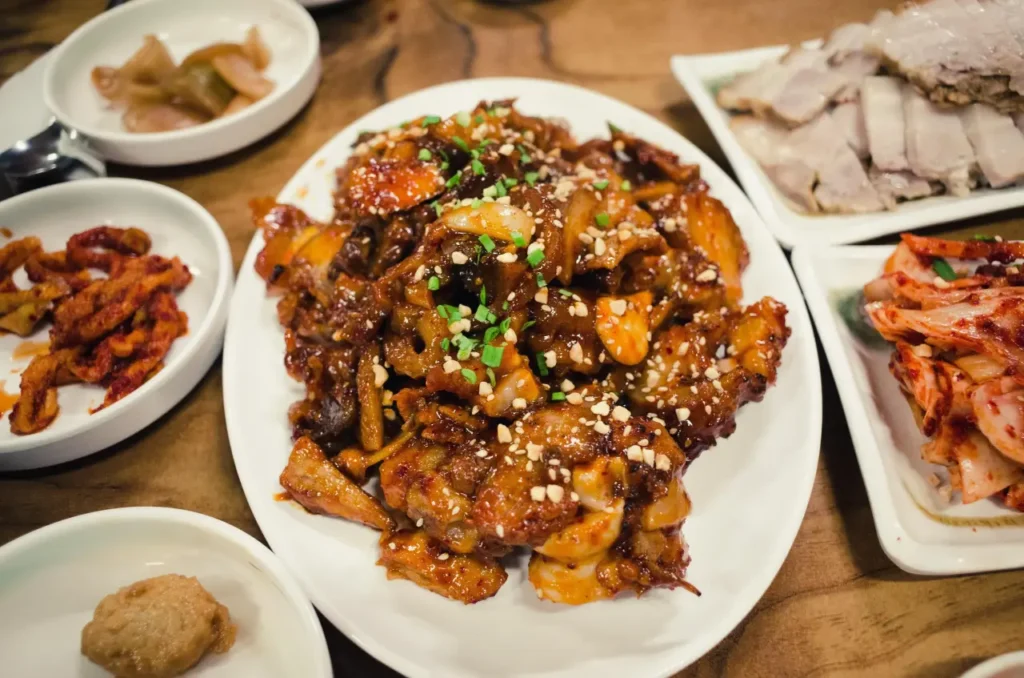
- Yukhoe (Korean beef tartare, 육회)
- Traditional Korean pancakes (전, 파전)
- Korean makgeolli rice wine (막걸리)
The market gained global recognition after appearing in multiple international food documentaries, though it still retains much of its local character.
Hongdae Night Food Tour
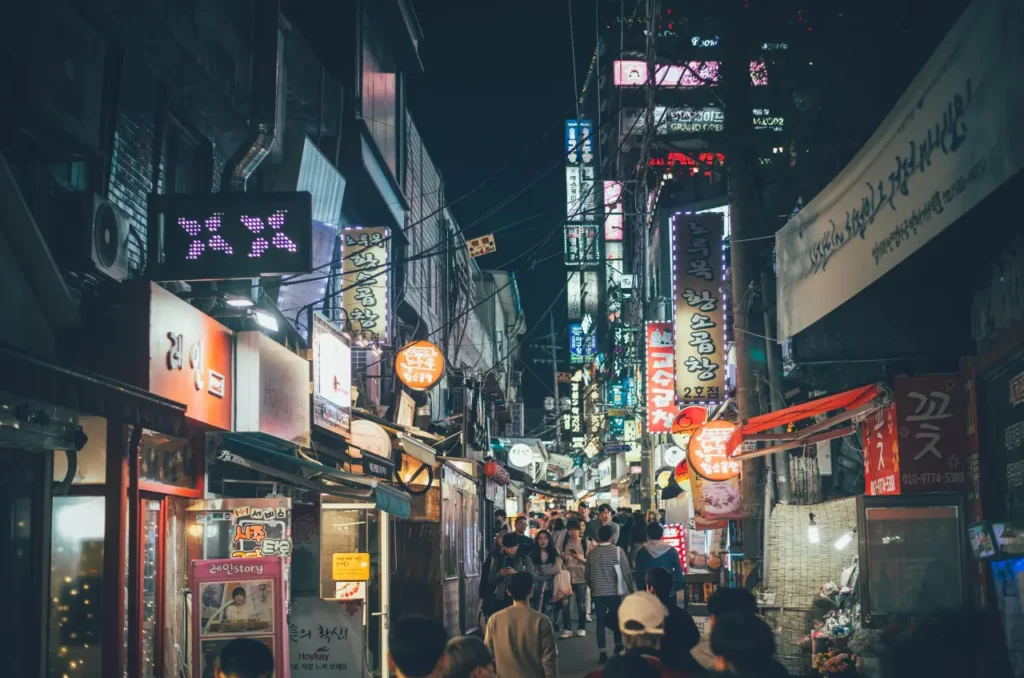
Seoul After Dark
Hongdae’s food culture feels younger, louder, and more experimental than many other neighborhoods in Seoul.
Centered around Hongik University, the district blends late-night dining, cafés, bars, and street food into one of the city’s most energetic nightlife areas.
Food tours here often focus less on tradition and more on atmosphere.
Visitors can expect:
- Korean fried chicken and beer
- Late-night barbecue restaurants
- Indie cafés
- Dessert shops
- Korean drinking culture
- Pocha (Korean street pubs)
Unlike Myeongdong, Hongdae’s culinary appeal is deeply tied to music, nightlife, and youth culture.
Seoul Food Tour Tips
Best Time to Join
- Evening tours generally offer the best atmosphere
- Weekdays are less crowded than weekends
- Spring and autumn provide the most comfortable walking weather
Useful Things to Know
- Many Korean dishes are designed for sharing
- Some restaurants specialize in only one menu item
- Korean dining culture moves quickly during peak hours
- Cashless payment is widely accepted throughout Seoul
Final Thoughts
Food tours offer one of the most immersive ways to understand Seoul.
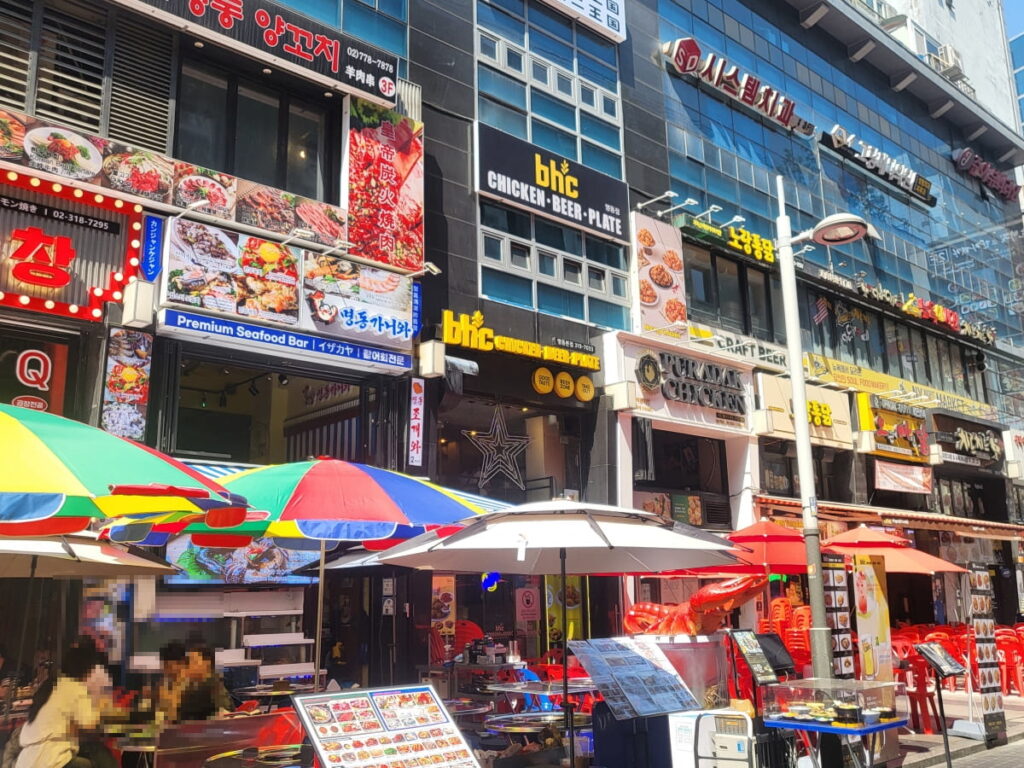
Whether exploring the neon-lit streets of Myeongdong, the historic food alleys of Gwangjang Market, or the youthful nightlife of Hongdae, each neighborhood reveals a different layer of the city through flavor, atmosphere, and local ritual.
In Seoul, food is rarely just about eating — it is how the city introduces itself.
🛏️ Hotels in Myeongdong
Choose your preferred booking partner.





You May Also Like
- Myeongdong Travel Guide 2026 – Where to Stay, Eat & Shop in Seoul
- A Feast for All Senses: 10 Iconic Korean Foods
- Seoul’s Five Grand Palaces & Myeongdong Itinerary
- The Layered City: A Journey Through Seoul’s Hidden Histories
- Dream & Adventure: Amusement Parks in Korea
- Gwanghwamun—The Gate of Light & Eternal Echoes
More to Explore on KHOREA
Discover more stories across Korea — choose a category that inspires you.