
Tteok, Korea’s traditional rice cake
Long before bakeries filled Korean cities,
rice cakes already marked life’s most meaningful moments.
Births, celebrations, family gatherings, and seasonal festivals.
Tteok was never merely a dessert.
It was a way of sharing time.
Tteok—The Taste of Time
Travelers often discover Korea through its street food, barbecue, or increasingly celebrated bakeries. Yet beneath these modern tastes lies something older, quieter, and deeply woven into everyday life.
It is called Tteok (떡).
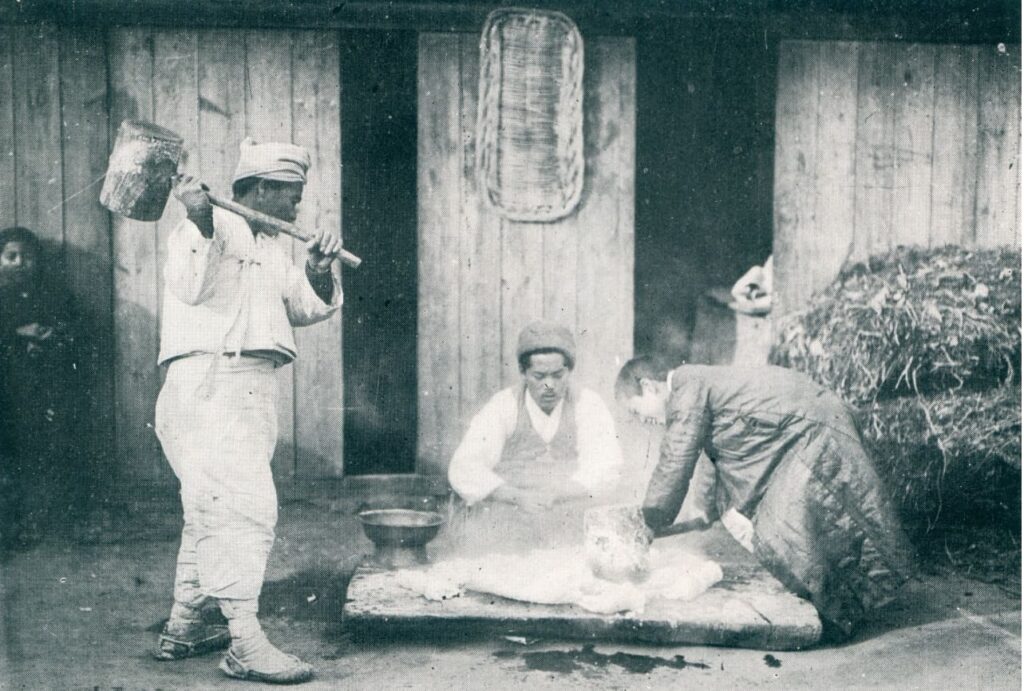
Often translated simply as “rice cake,” tteok is far more than a dessert. For centuries, it has appeared at weddings, harvest celebrations, birthdays, ancestral rites, and seasonal festivals. Koreans have shared it during moments of joy, gratitude, and remembrance. In many ways, tteok is not merely food—it is a record of time itself.
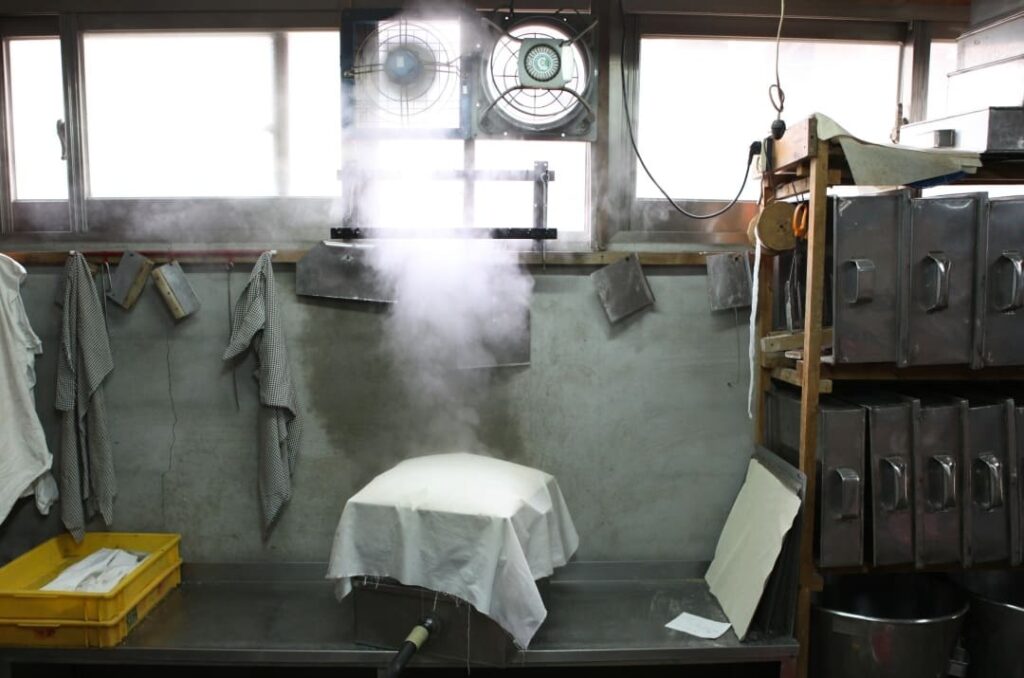
Unlike bread, which was traditionally designed for travel and storage, tteok was made to be enjoyed together. Freshly steamed, soft, and fleeting, it reminds us that some things are best appreciated in the moment.
For travelers seeking a different side of Seoul, following the city’s tteok tradition offers a slower, more reflective journey.
A Living Tradition in Seoul
Seoul preserves some of Korea’s most refined tteok-making traditions.
In the historic neighborhoods of Jongno and Insadong, recipes once associated with royal courts and noble households continue to survive through family-run shops and dedicated artisans.
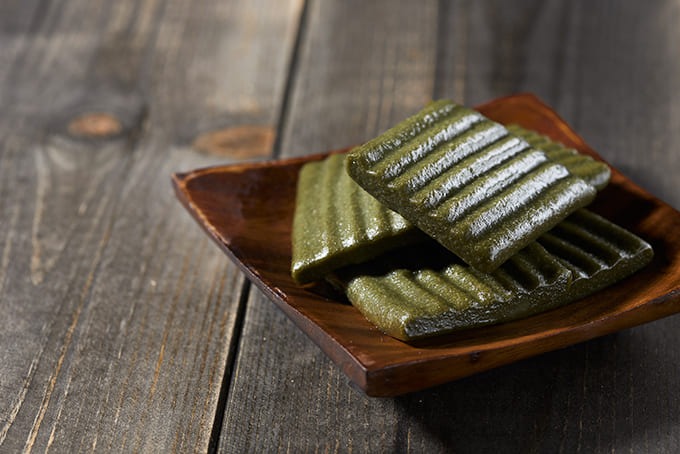
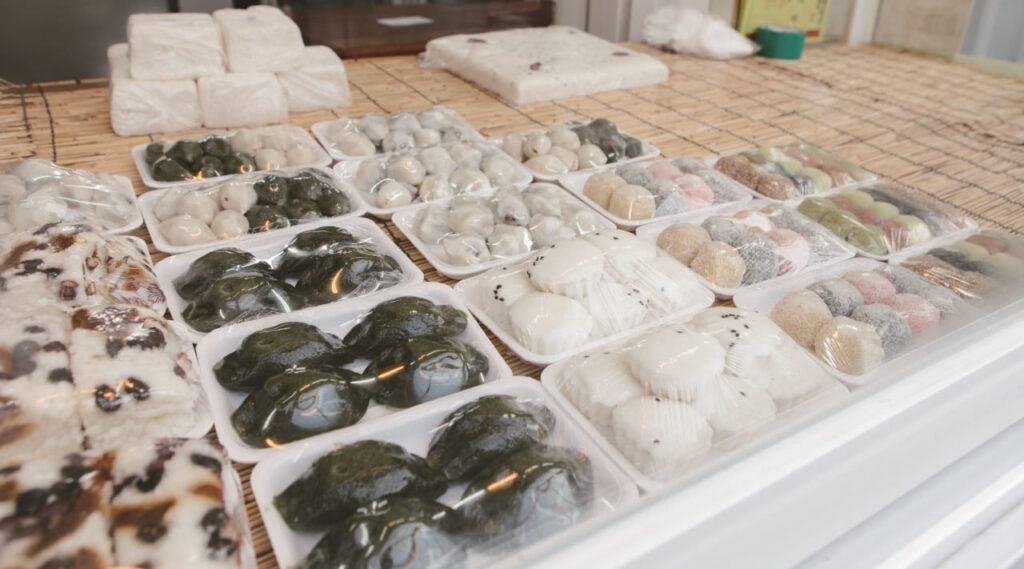
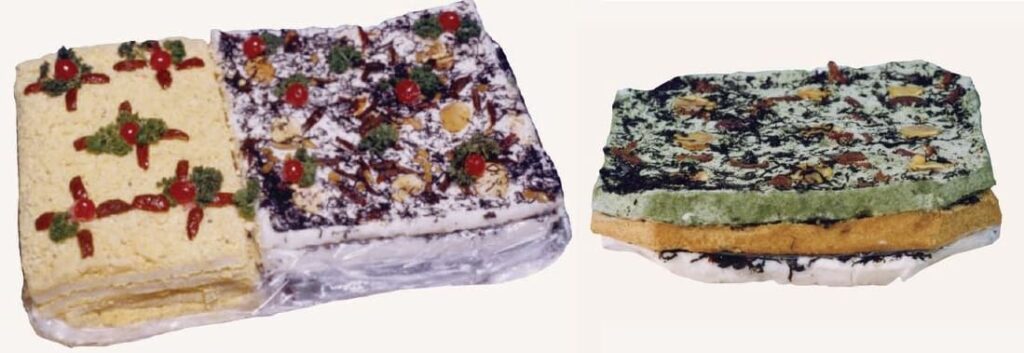
Among the most celebrated is Duteop-tteok (두텁떡), an elaborate layered rice cake filled with honey, nuts, and aromatic ingredients. Once reserved for special occasions and royal banquets, it remains one of the finest examples of Korean confectionery craftsmanship.
Another beloved variety is Injeolmi (인절미), a soft, elastic rice cake coated with roasted soybean powder. Its comforting texture and gentle sweetness have made it one of Korea’s most enduring traditional treats.

Historical records suggest that pounded rice cakes similar to Injeolmi existed as early as the Goryeo Dynasty. Over centuries, they became a familiar presence at family celebrations, seasonal festivals, and ancestral rites.
Their enduring popularity comes not from elaborate ingredients, but from the simple pleasure of freshly pounded glutinous rice coated in roasted soybean powder.
A popular folk legend traces the name of Injeolmi to King Injo of the Joseon Dynasty. Whether true or not, the story reflects how deeply this humble rice cake has become woven into Korea’s cultural memory.
The Art of Chewiness
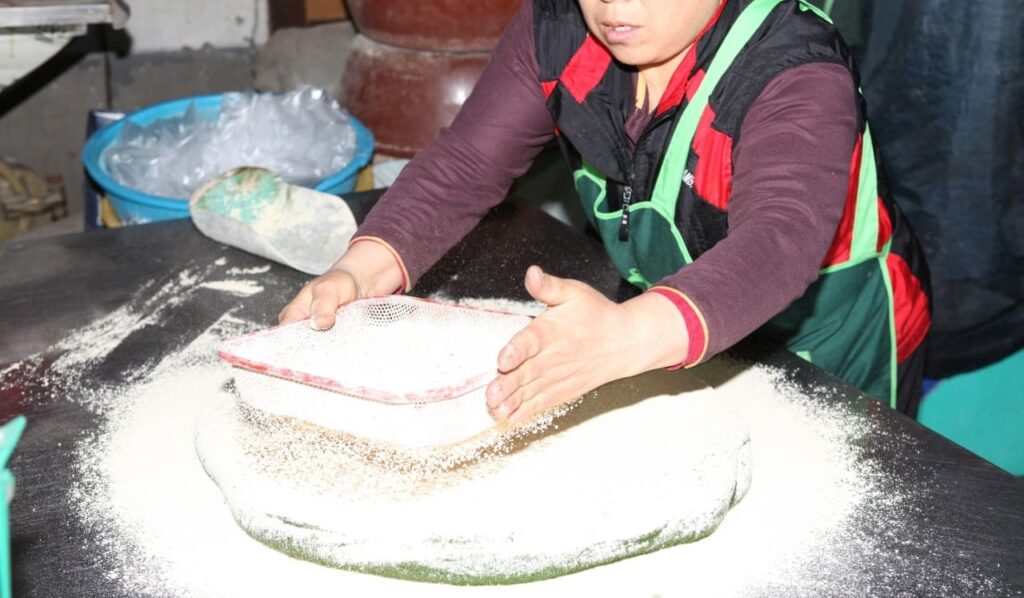
To many first-time visitors, the most surprising aspect of tteok is its texture.
Korean cuisine often values balance over intensity, and tteok embodies this philosophy perfectly. Rather than relying on strong sweetness, it invites attention to subtle differences in texture, aroma, and ingredient quality.
The elasticity of freshly made Injeolmi (인절미).
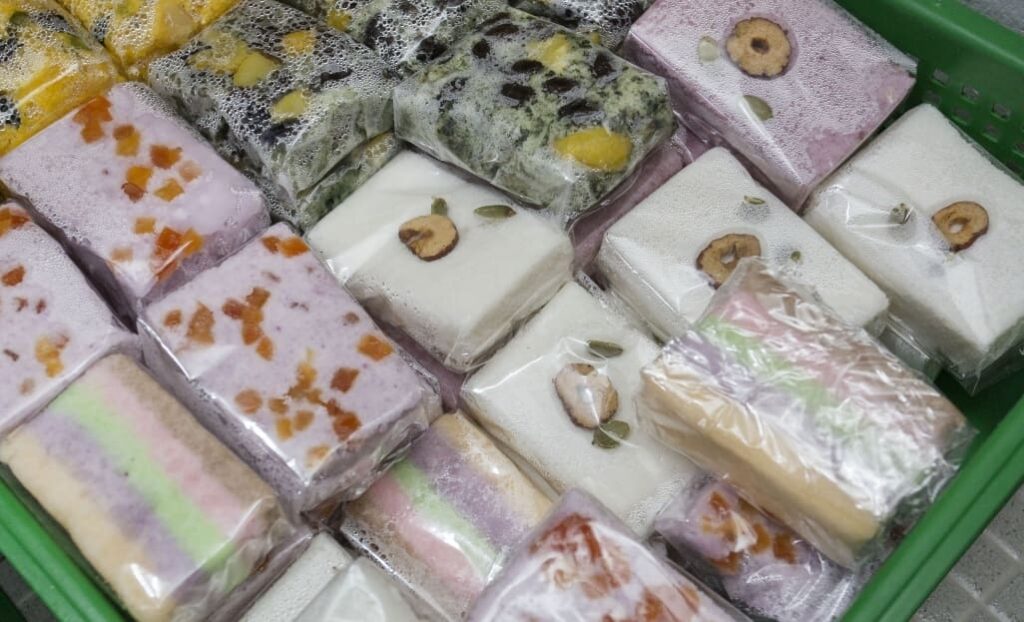
The delicate fermentation of Jeungpyeon (증편).
The gentle graininess of Seolgi (설기).
Each offers a different expression of rice, one of the foundations of Korean civilization.
This sensitivity to texture is perhaps why tteok remains beloved even in a country now filled with world-class cafés and bakeries.
👉 the Museum of Argiculture : Saemunan-ro 16, Jung-gu, Seoul
More Than a Dessert
In many countries, sweets are associated with indulgence.
In Korea, tteok often carries a different meaning.
It appears when families gather.
It marks milestones.
It celebrates seasons.
It honors memory.
Its ingredients are simple. Its appearance is often modest.

Yet behind every piece lies a tradition shaped by centuries of agriculture, community, and craftsmanship.
Perhaps that is why tteok remains relevant in modern Korea. In a world moving ever faster, it offers a reminder that some experiences become richer when approached slowly.
And few experiences capture that spirit better than sharing fresh tteok with a warm cup of tea while watching Seoul move around you.
Traveler’s Insight
The finest tteok is often the freshest, much like bread.
If you happen to pass a shop where steam drifts from the kitchen and locals are lining up outside, consider stepping in.
The most memorable tteok experiences are rarely planned.
They are simply discovered.
Because in Korea, some journeys are measured not in distance, but in moments.
Bread travels.
Tteok returns.
And sometimes, returning is the greater journey.

The Seoul Tteok & Tea Trail
The best way to experience tteok is not through a museum or a lecture, but through a leisurely day of walking.
Begin in Jongno, where traditional rice cake shops continue to serve recipes passed down through generations.
From there, wander into Insadong. Here, historic tea houses offer the perfect companion to tteok. A cup of warm green tea, Solomon’s seal tea (둥글레차), or sweet rice punch allows visitors to slow down and appreciate flavors that reveal themselves gradually.
Continue west toward Mangwon, where younger artisans reinterpret traditional techniques for modern audiences. The atmosphere changes, but the respect for craft remains.
Finally, end the journey in Myeongdong, one of Seoul’s emerging creative neighborhoods, where contemporary tea houses demonstrate how Korean traditions continue to evolve while remaining connected to their roots.
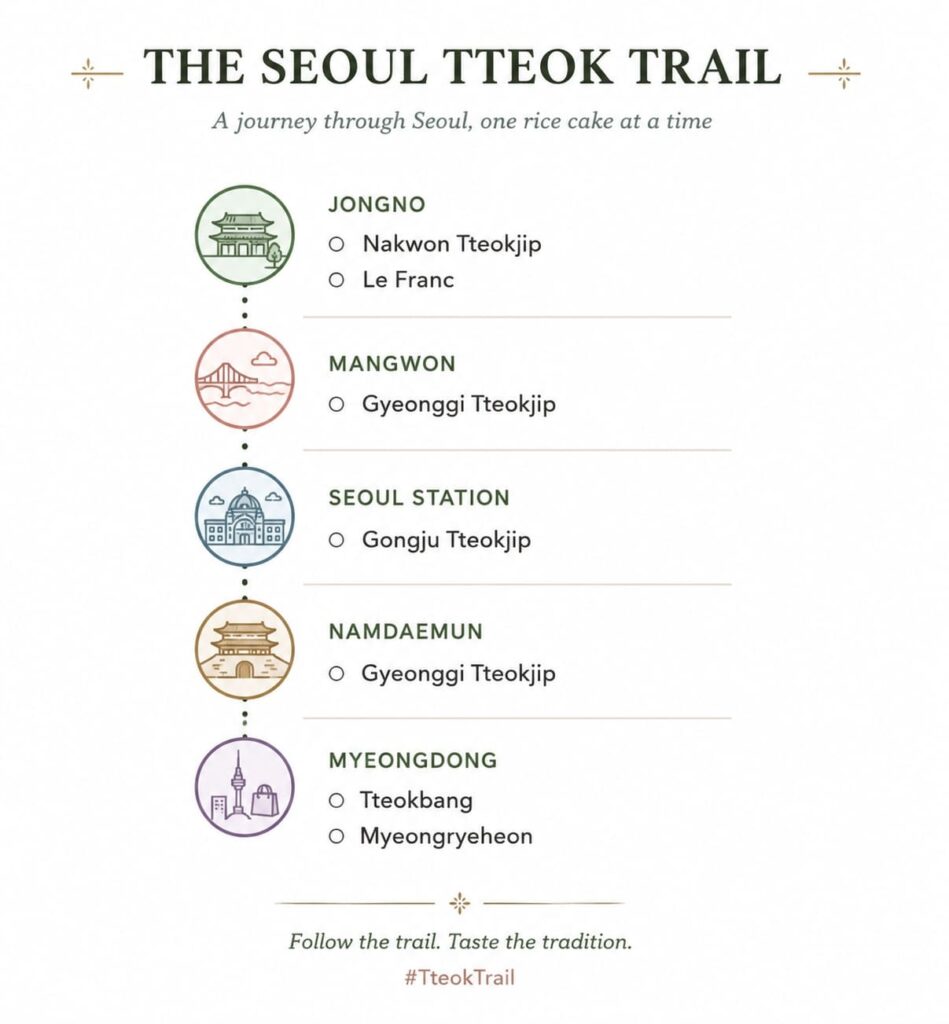
Along the way, visitors discover something unexpected: tteok is not simply something to eat. It is something that encourages pause.
Continue the Trail
Every traveler discovers a different Korea.
If you find a memorable tteok shop, a quiet tea house, or a hidden alley worth sharing, post your journey using #TteokTrail.
Your next favorite stop may come from another traveler’s story.
Some stories are told through books. Others are shared through food.
For generations, tteok has quietly carried Korea’s memories from one table to the next.
Tteok, the rice cakes are still being made.
🎬 Stories That Share Time
- Gourmet (2008, 식객) Food is never just food. Every dish carries memory, tradition, and the people who made it.
- Jewel in the Palace (2003, 대장금) A celebration of Korean culinary heritage, where food becomes an expression of care, wisdom, and human connection.
- Little Forest (2018, 리틀 포레스트) A quiet story about slowing down, following the seasons, and finding comfort in simple food made with care.
- Reply 1988 (2015, 응답하라 1988) Neighbors share meals, families gather, and ordinary moments become treasured memories—much like tteok itself.
🍵 The Spirit of Tteok
- The Taste of Time For centuries, tteok has accompanied weddings, birthdays, harvest festivals, and ancestral rites.
- Made to Be Shared Unlike food designed for storage or travel, tteok was traditionally made to be enjoyed together.
- More Than a Dessert In Korea, tteok often marks life’s most meaningful moments and carries memories across generations.
- Where Korea Pauses A warm cup of tea, freshly made tteok, and a moment of stillness—sometimes the simplest traditions endure the longest.
🛏️ Hotels in Jongno-3-ga
Choose your preferred booking partner.





You May Also Like
- The Korean Bread Trail
- The Ceramic Trail of Korea – Where Earth Meets Fire and Time
- Fruit Trail — Chungju travel guide
- Healing Korea – When Food Becomes Medicine
- 2027 FISU Universiade—When the World Comes to Korea
- Kdrama Hotels: Stay Where the Stories Were Filmed (Part 1)
More to Explore on KHOREA
Discover more stories across Korea — choose a category that inspires you.




#TteokTrail #HiddenSeoul #KoreaTravel #TeaCulture #SlowTravel