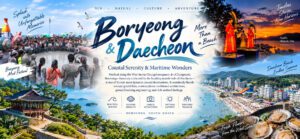
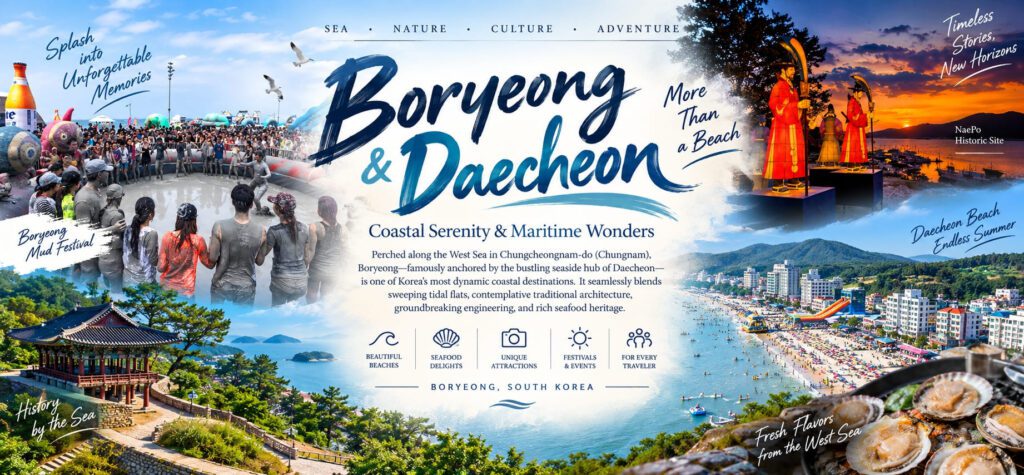
Perched along the West Sea in Chungcheongnam-do (Chungnam), Boryeong—famously anchored by the bustling seaside hub of Daecheon—is one of Korea’s most dynamic coastal destinations. Located roughly two to two-and-a-half hours southwest of Seoul, it seamlessly blends sweeping tidal flats, contemplative traditional architecture, groundbreaking engineering, and rich seafood heritage.
Geography & Regional Identity
Boryeong City (보령시)
The overarching administrative municipality, framed by the gentle peaks of Mount Seongjusan to the east and the Yellow Sea archipelago to the west.
Daecheon (대천)
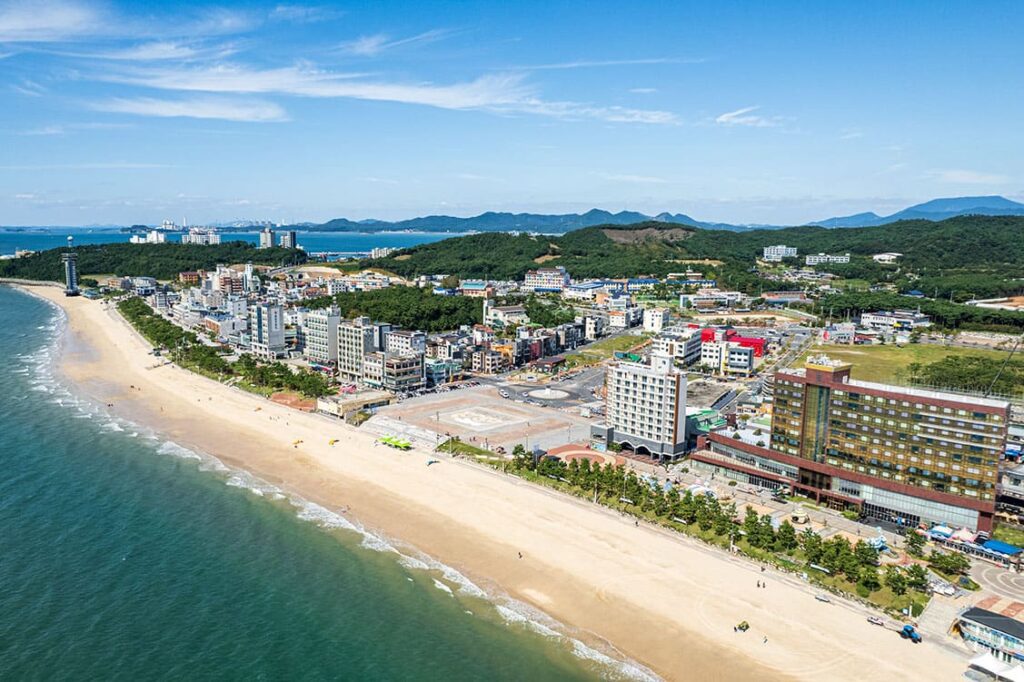
Once an independent city, it was incorporated into the newly unified Boryeong City in 1995. Today, “Daecheon” commonly refers to the city’s vibrant coastal area, including Daecheon Beach, Daecheon Port, and Daecheon Station.
The coastline is characterized by dramatic tidal ranges, giving rise to mineral-dense mudflats and shell-strewn sandbars that feel distinct from the deeper waters of Korea’s east coast.
History & Cultural Fabric
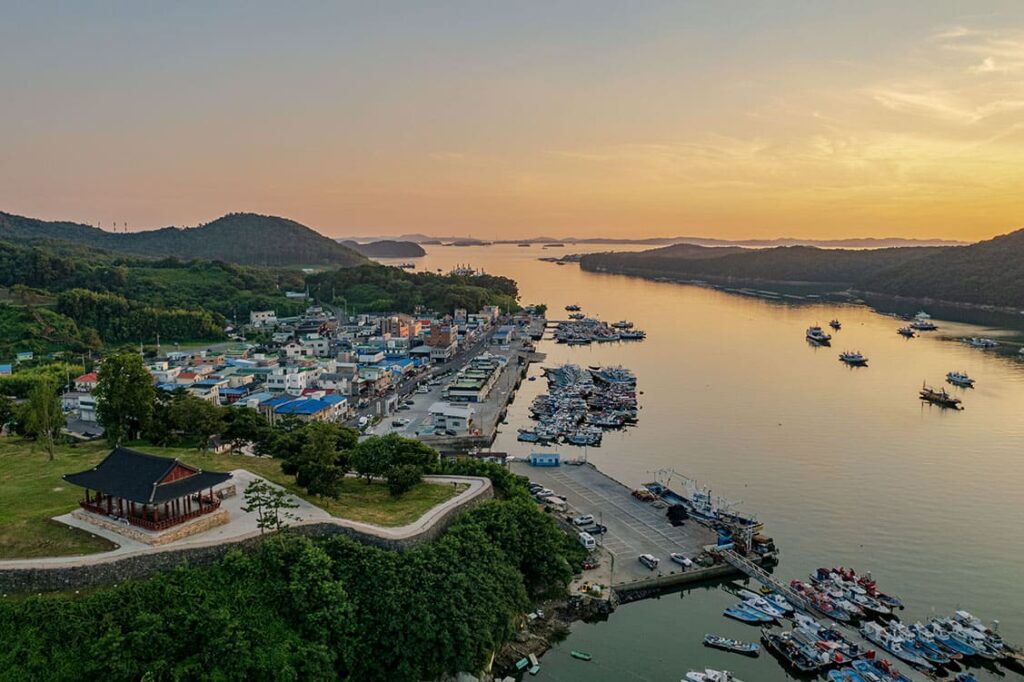
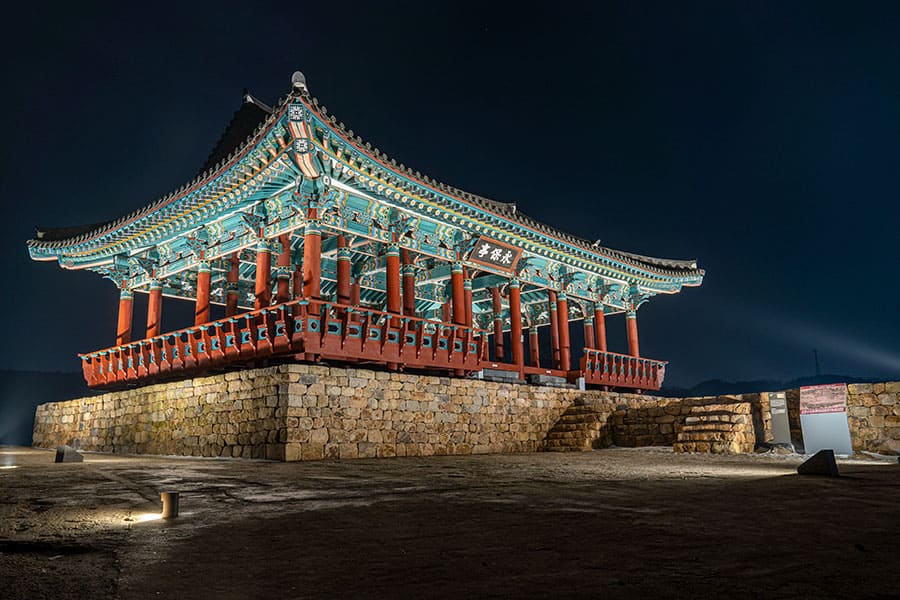
- The Joseon Maritime Defense: During the Joseon Dynasty, Boryeong was home to the Chungcheong Suyeongseong Fortress (Ocheon Port), the main naval headquarters overseeing the Chungcheong coastal waters and the western sea routes toward the capital. The Yeongbojeong pavilion inside the fortress ruins still offers panoramic views over the winding inlet.
- The Stone of Kings: Boryeong is historically renowned for Nampo-seok (남포석), a fine-grained black stone traditionally quarried in the region and prized for making inkstones, monuments, and other stonework.
Key Highlights
Sanghwawon on Jukdo Island (죽도 상화원)
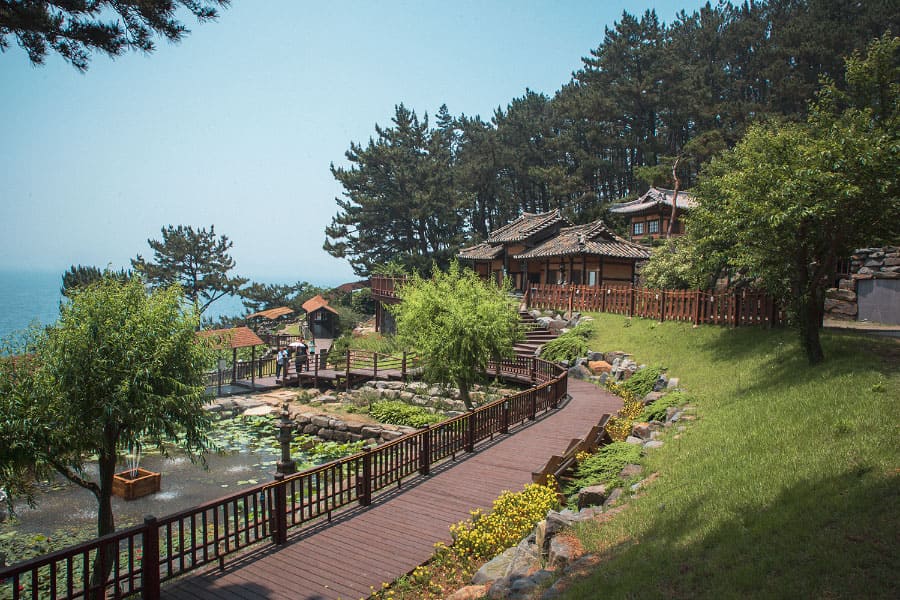
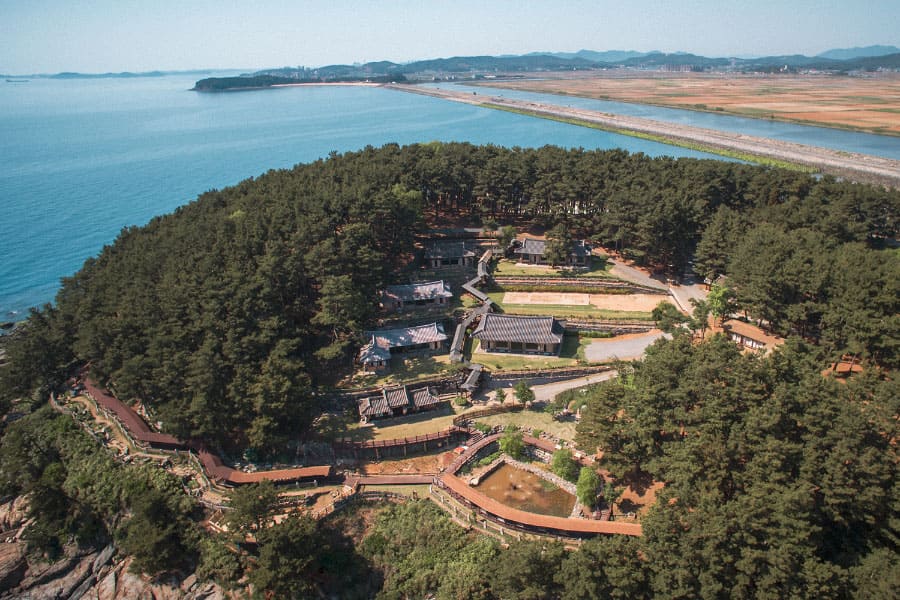
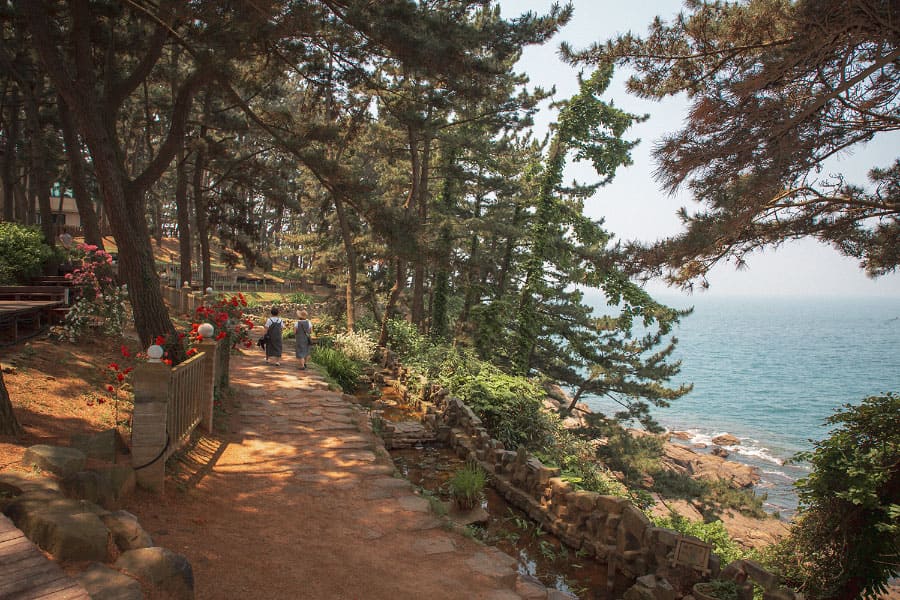
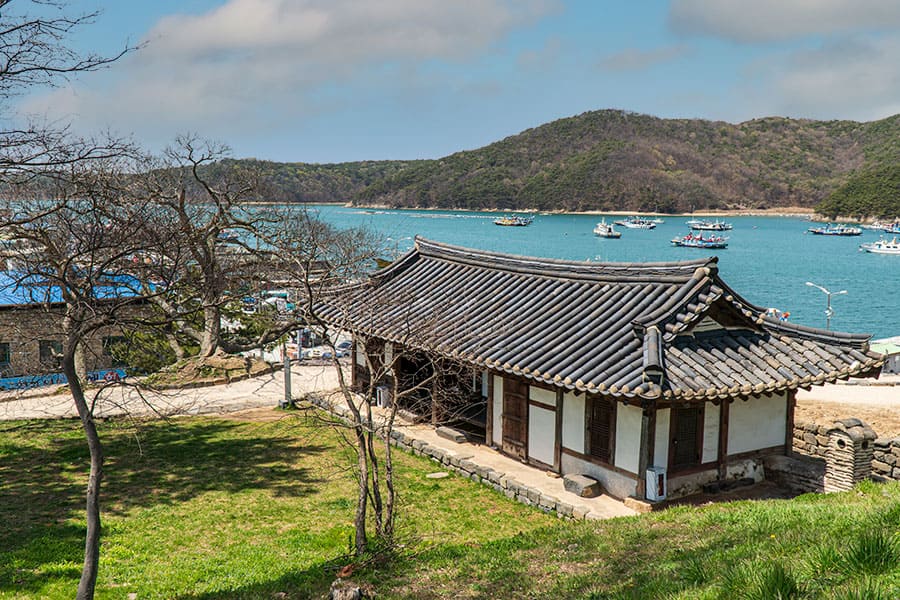
Linked to the mainland by a causeway, Jukdo hosts Sanghwawon—a masterfully curated traditional Korean garden.
- The Roofed Corridor (회랑): A two-kilometer covered wooden corridor follows much of the island’s rugged shoreline, allowing visitors to stroll beside crashing waves and sea pine groves regardless of weather.
- Preserved Hanok Heritage: The garden features carefully relocated and restored historic hanok (traditional Korean residences) from across the country, alongside lotus ponds and quiet tea pavilions.
- Note: Sanghwawon operates primarily on weekends and designated public holidays (spring through autumn), maintaining a peaceful, unhurried atmosphere.
Boryeong Undersea Tunnel (보령해저터널)
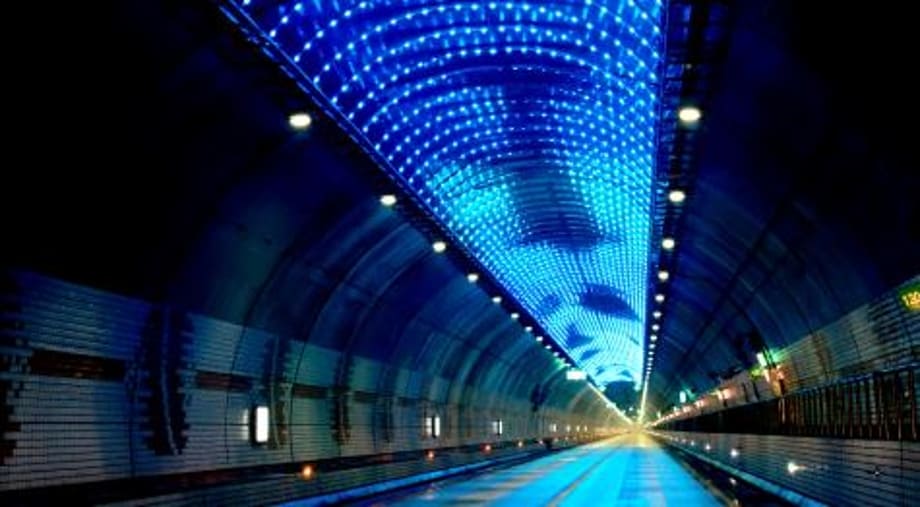
Opened in late 2021, this 6,927-meter roadway tunnel is South Korea’s longest undersea tunnel. It passes deep beneath the seabed, connecting Daecheon Port directly to Wonsando Island and turning what was once a long coastal detour into a roughly 10-minute drive.
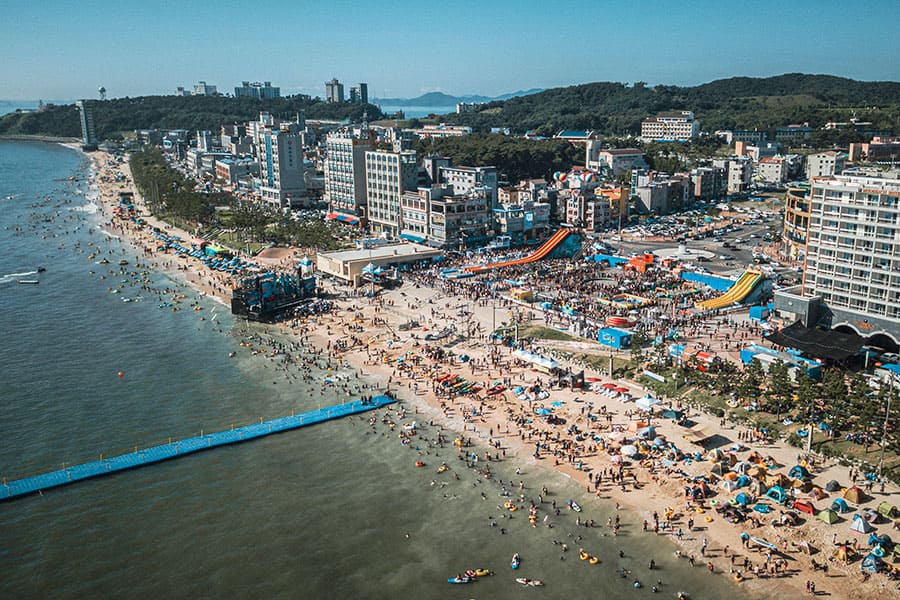
Daecheon Beach (대천해수욕장)
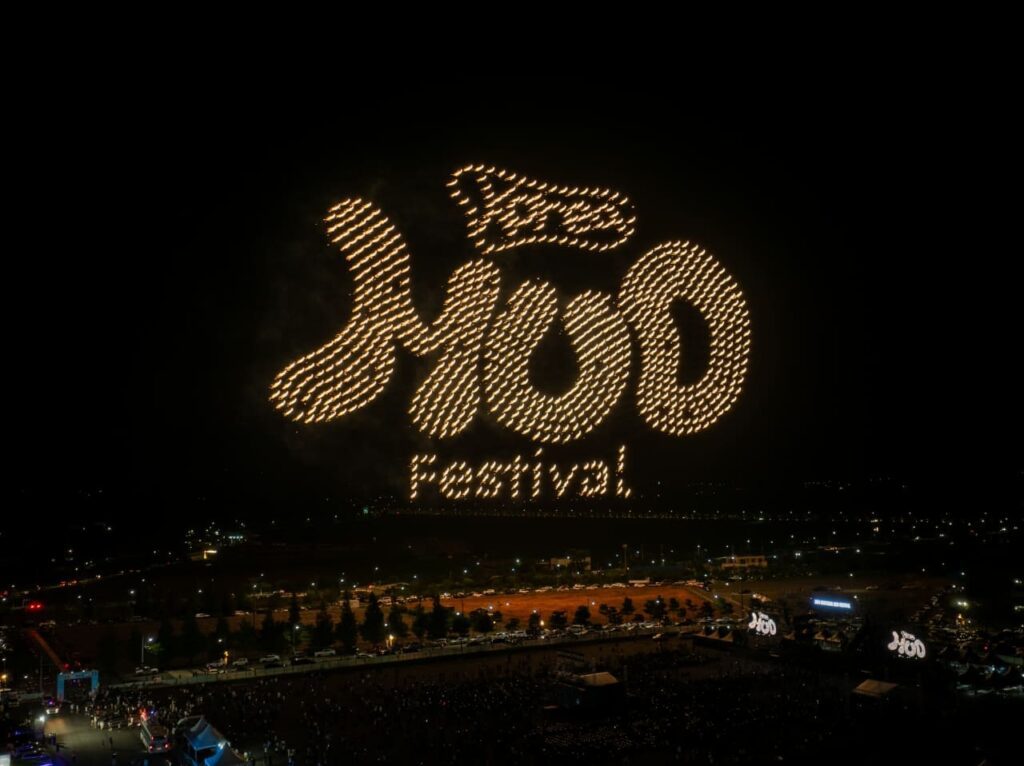
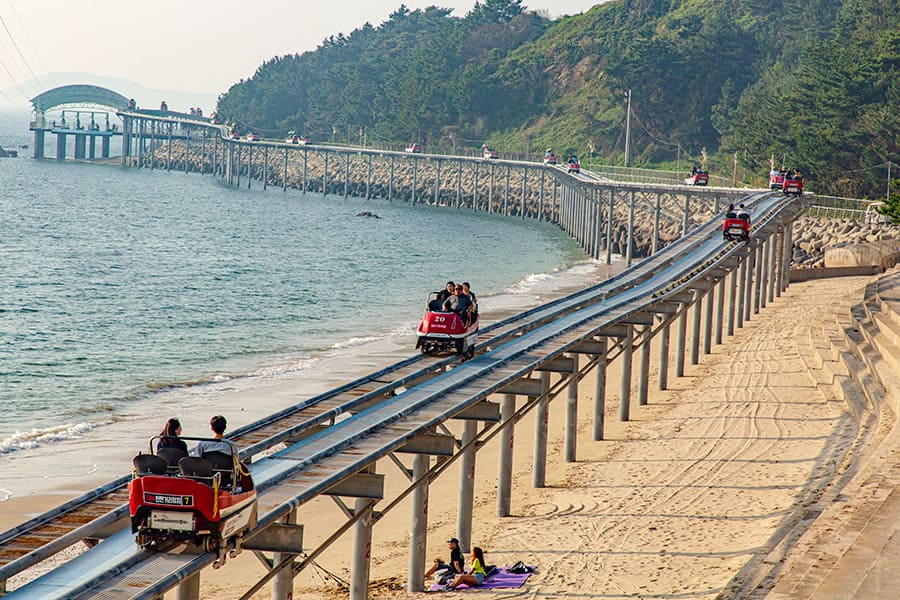
Stretching 3.5 kilometers, Daecheon is the West Coast’s flagship beach. Its shoreline is composed largely of finely crushed seashells smoothed by tidal currents, creating a firm, comfortable walking surface. The beach is also known for dramatic West Sea sunsets, with sky biking and zip-lining among its popular attractions. In July, it hosts the world-renowned Boryeong Mud Festival.
Practical Visitor Essentials
Sanghwawon on Jukdo Island
- Operating Schedule: Open exclusively on Fridays, Saturdays, Sundays, and public holidays from April through November (closed December through March). Standard hours run 09:00–18:00 (last entry at 17:00).
- Admission & Perks: General admission is ₩7,000 in 2026. Retain your entry ticket; it can be redeemed at the central tea lodge (Hanuollim) for a cup of warm tea or iced coffee and freshly prepared injeolmi rice cakes.
- Photography & Etiquette: Monopods and handheld cameras are permitted; drones, tripods, and commercial shoots require pre-arranged permits. The raised boardwalk has low clearance in select wooded groves—watch your step around exposed pine trunks.
Boryeong Undersea Tunnel
- Toll & Restrictions: Free of toll charges. The tunnel is strictly designated as an automobile-only expressway; pedestrians, bicycles, two-wheeled motorbikes under 250cc, and low-speed electric mobility carts are prohibited.
- Driving Safety: The speed limit is fixed at 70 km/h with point-to-point average speed cameras stationed throughout the 6.9-kilometer stretch.
Daecheon Beach Sky Bike
- Boarding Point: Located at the northern terminus of Daecheon Beach near the zip-line tower.
- Ticketing Strategy: Tickets are generally issued on a same-day, first-come, first-served basis; weekends can fill quickly.
Culinary Heritage: Flavors of the West Sea
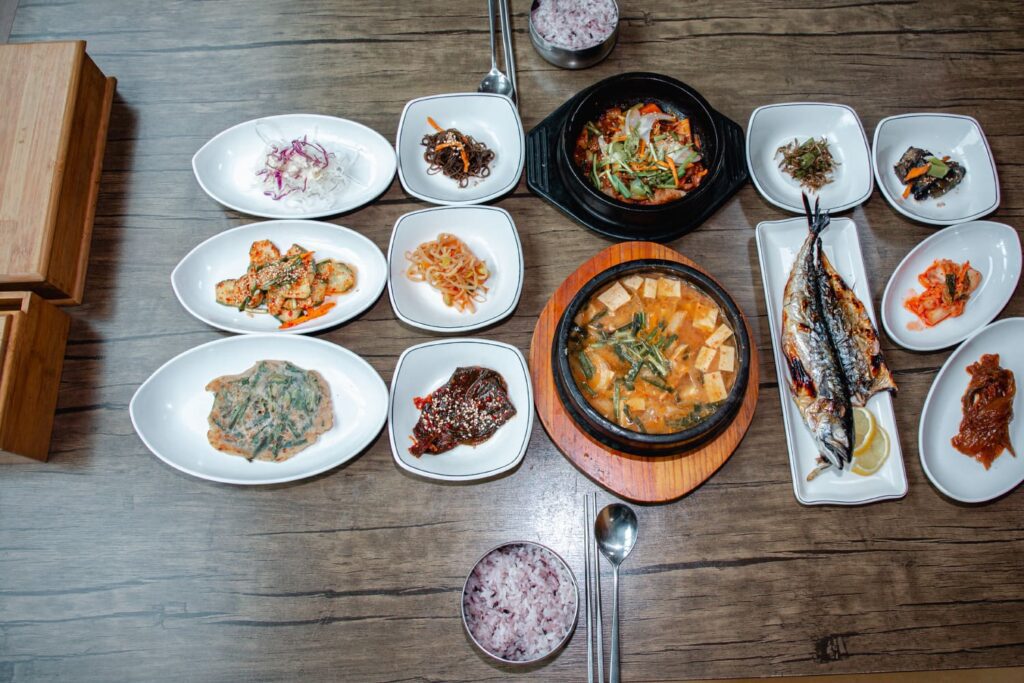
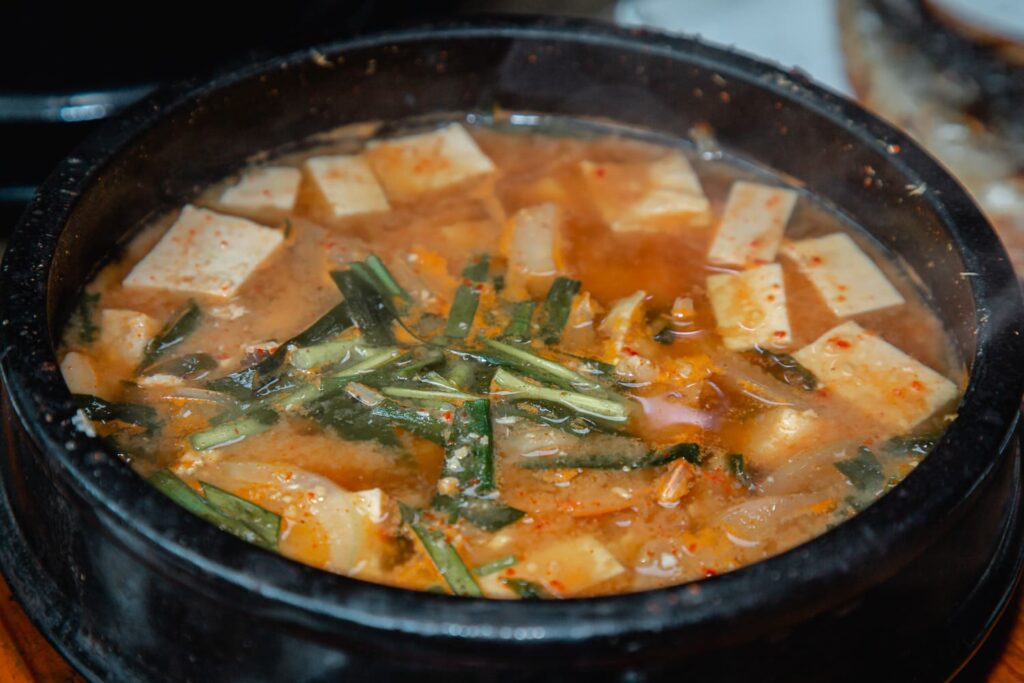
Boryeong’s coastal cuisine relies on the rhythms of the tides:
| Specialty | Highlights |
|---|---|
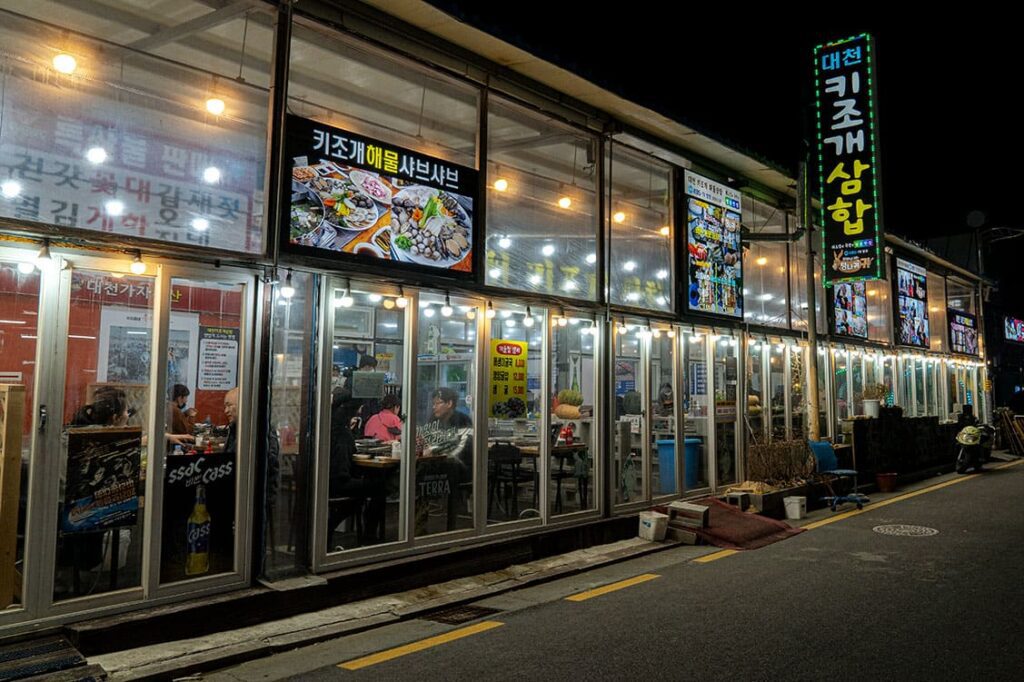
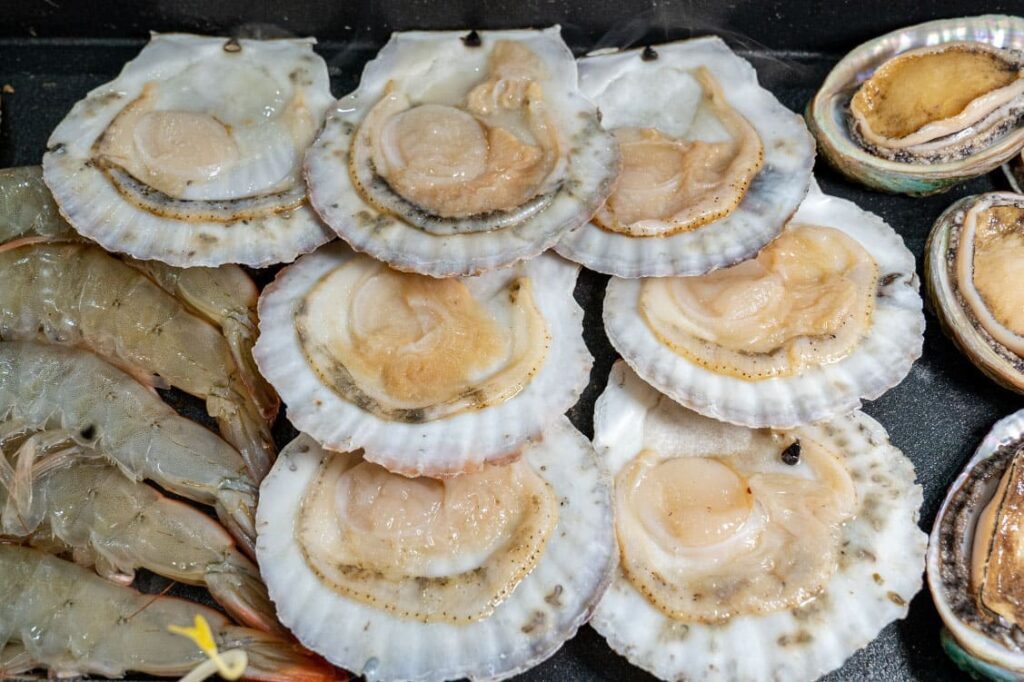
| Boryeong Pen Shell (키조개) | Harvested around Ocheon Port, these giant penshell scallops are celebrated for their tender, sweet adductor muscle. Enjoyed thinly sliced as sashimi, grilled over charcoal, or stir-fried with aged kimchi and pork belly (Kijogae Samhap). |
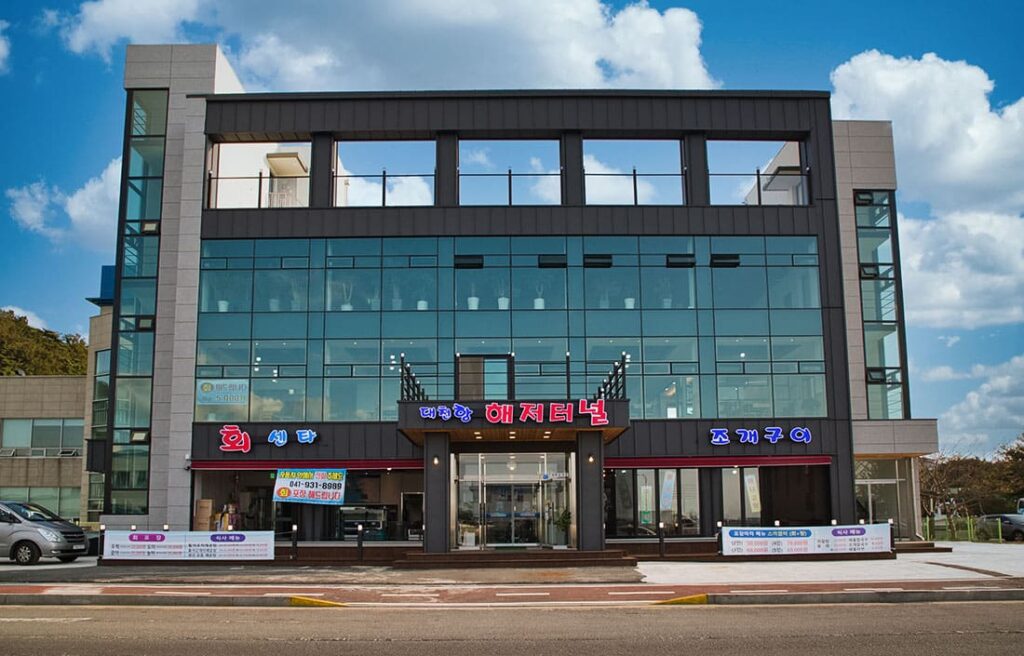
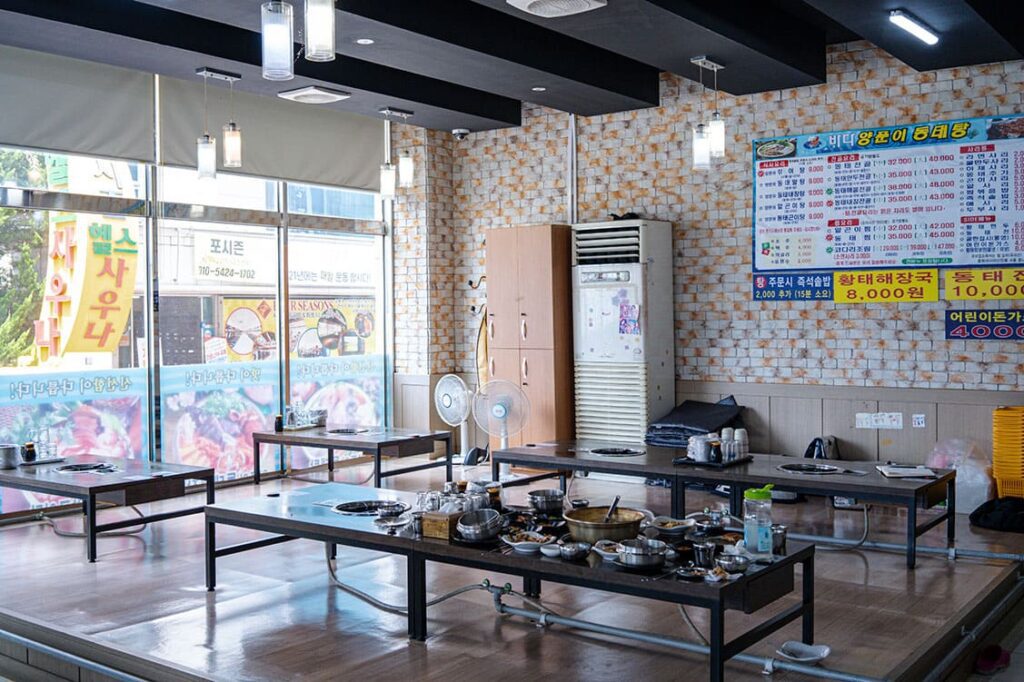
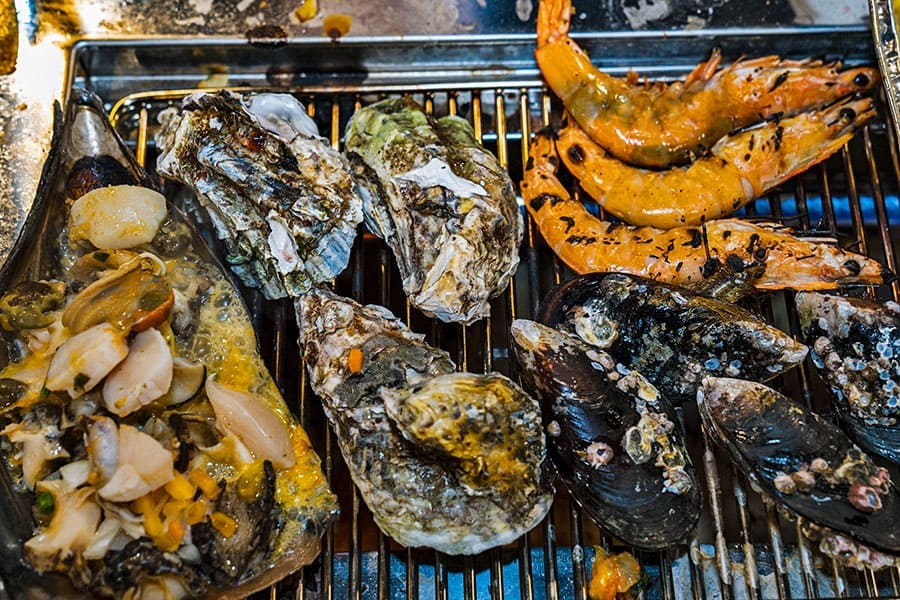
| Grilled Clams (조개구이) | The vibrant promenade lining Daecheon Beach is packed with open-air eateries serving assorted shellfish—clams, cockles, and oysters—grilled table-side over glowing briquettes. |
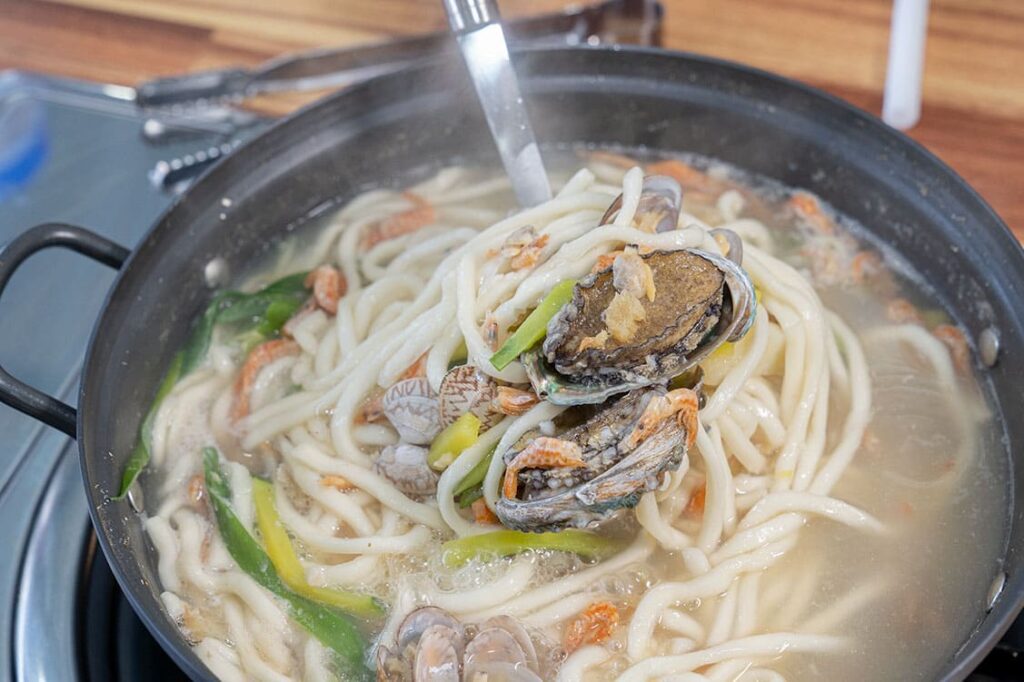
| Seafood Kalguksu (해물칼국수) | Knife-cut noodles simmered in a deep, briny broth of clams, dried pollack, and zucchini, served with tart, newly fermented radish kimchi. |
Getting There from Seoul
Train (Recommended): 2 hrs to 2 hrs 20 mins
Yongsan Station / Yeongdeungpo Station → Daecheon Station
Frequent daily services via the Saemaeul-ho, ITX-Maeum, or Mugunghwa-ho trains along the Janghang Line.
Local taxis and buses run to the beach front in 10 minutes.
Express Bus: 2 hrs 10 mins to 2 hrs 30 mins
Central City Terminal (Express Bus Terminal) → Boryeong Bus Terminal
Direct departures running every 30–60 minutes throughout the day.
By Car: 2 to 2.5 hours (off-peak)
Seoul → West Coast Expressway (Seohaean)
Take the Daecheon IC exit. Weekday drives are smooth; weekend mornings and holiday traffic can add travel time.
A 48-Hour Slow-Travel Itinerary: Boryeong & Daecheon
| Day & Time | Activity | Highlights & Details |
|---|---|---|
| Day 1: Morning | Arrival & Coastal Pine Forest Walk | Take a train from Seoul to Daecheon Station on the Janghang Line. Then, take a 15-20 minute taxi to Jukdo Island. Spend the morning walking beneath sea pines along Sanghwawon’s covered timber corridor. |
| Day 1: Afternoon | Traditional Tea & Portside Dining | Savor complimentary tteok (rice cake) and tea at Sanghwawon’s Hanok Village pavilion. Head north to Daecheon Port for a lunch of fresh Kijogae Samhap (sliced pen shell scallops, pork belly, and aged kimchi grilled table-side). |
| Day 1: Evening | Beach Sunset & Shellfish Supper | Stroll the shell-sand expanse of Daecheon Beach during the golden hour. Dine on charcoal-grilled assorted clams (jogae-gui) along the beachfront promenade with chilled local soju. |
| Day 2: Morning | Undersea Drive to Wonsando | Pick up a rental car or take a bus service that crosses the Boryeong Undersea Tunnel to Wonsando Island beneath the seabed. Grab pour-over coffee at a cliffside café overlooking Wonsando’s pristine coves. |
| Day 2: Afternoon | Joseon Naval Heritage & Return | For a longer coastal drive, cross Wonsandae Bridge toward Anmyeondo; otherwise, loop back to Ocheon to explore Chungcheong Suyeongseong Fortress. Enjoy a comforting bowl of briny clam kalguksu before catching your evening train back to Seoul. |
Hotels in Boryeong
Stay within walking distance of Seoul’s most popular shopping streets.



You May Also Like
- Daejeon – Where Korea Builds Tomorrow
- 2027 Chungcheong Universiade — Hotel & Regional Guide
- Tongyeong – Shaped by the Sea, Sheltered by Islands
- Namhae Travel Guide : Villa Stays with a European Coastal Mood
- Kdrama Hotels: Stay Where the Stories Were Filmed (Part 2)
- Gunsan: A Journey Through Time and Taste
- Suncheon, Where Korea Slows Down – Nature, Healing & Slow Living
- Myeongdong Travel Guide 2026 – Where to Stay, Eat & Shop in Seoul
More to Explore on KHOREA
Discover more stories across Korea — choose a category that inspires you.