Happy700, Pyeongchang
Pyeongchang – HAPPY 700
While Korea is often associated with bustling cities and fast-moving energy, Pyeongchang reveals a quieter side of the country—one shaped by mountain forests, royal history, healing food, and wide open skies.
Long before the Olympic flame arrived, royal archives were hidden in these mountains, kings sought healing beneath ancient fir trees, and villagers took refuge in caves overlooking the river.
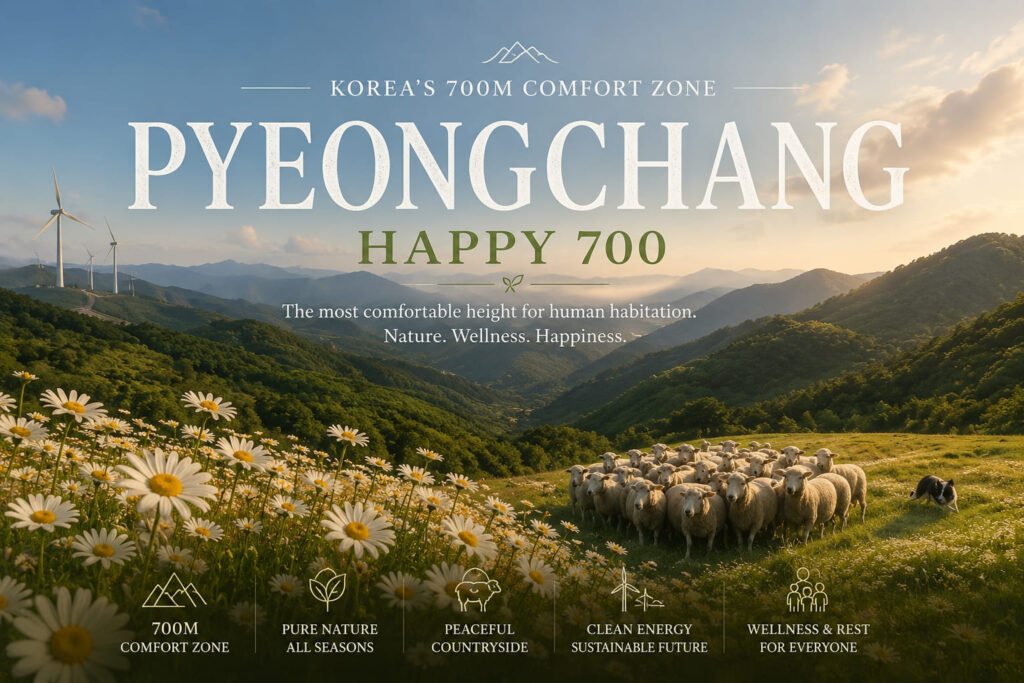
Pyeongchang sits at an average altitude of 700 meters (2,300 feet) above sea level. This makes the weather pleasantly cool and crisp even in early June. It is a premier healing destination where you can experience pristine nature and healthy local cuisine.
HAPPY 700 is Pyeongchang’s representative slogan, embodying the meaning of a height of 700 meters, the most comfortable for human habitation.
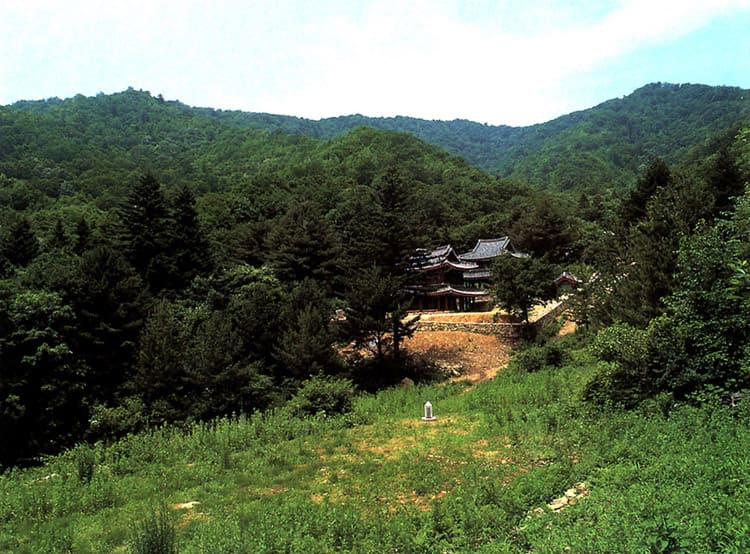
Odaesan : The Royal Treasure House
Joseon Dynasty History Archives (Sago)
During the Joseon Dynasty, the kings kept their most precious historical records—the Joseon Wangjo Sillok (the official daily records of the kings) and royal family trees—in four safe places across the country. One of them was high up in Pyeongchang’s Odaesan Mountain.
Why Pyeongchang?
When Japan invaded Korea in 1592, almost all the country’s record libraries were burned down. After the war, the royal court looked for places that were “impossible for enemies to reach and safe from natural disasters.” Pyeongchang’s deep, rugged mountains were the perfect natural fortress.
The Journey Home
During the Japanese colonial period, these records were forcefully taken to Tokyo. Tragically, many were lost in a massive earthquake in Japan. However, after years of hard work to get them back, they finally returned to Korea! Today, you can see these incredible historical records at the Odaesan National Museum of History in Pyeongchang.
Top Places to Visit
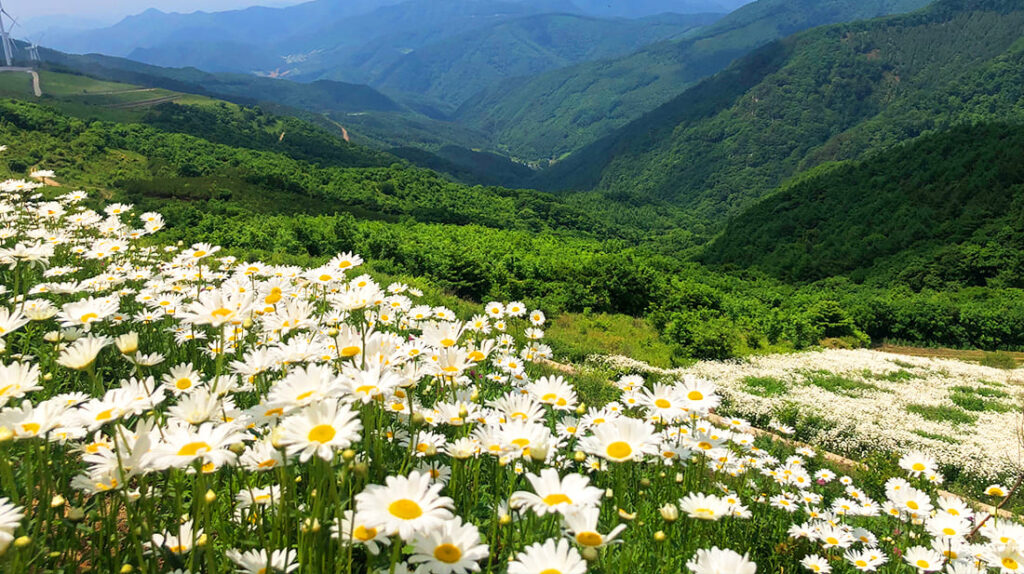
Cheongoksan Yukbaek-majigi (청곡산 육백마지기)
A vast highland plain located at 1,250 meters (4,100 feet) above sea level. In mid-June, the fields are covered with blooming white Shasta daisies, creating an exotic and stunning scenery. The white wind turbines combined with a tiny, picturesque church model serve as famous photo spots. It is also an excellent location for stargazing at night. Because the mountain air can get quite cold and windy, be sure to bring a light jacket.
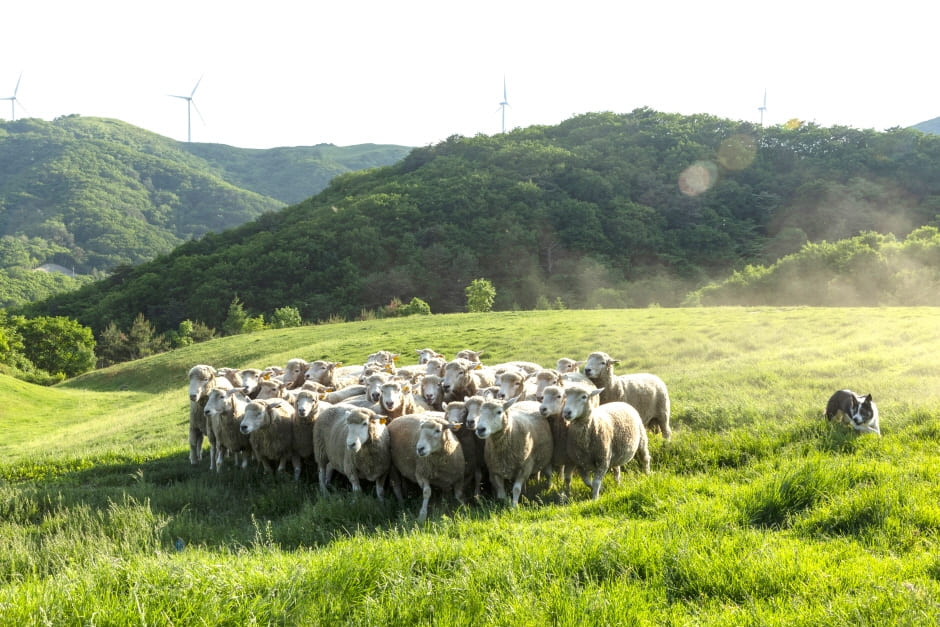
Daegwallyeong (대관령) Sheep Ranch & Sky Ranch
These iconic ranches offer an exotic atmosphere where you can watch sheep grazing peacefully on wide, green pastures. You can take a relaxing stroll along the walking trails or try feeding hay to the sheep, making it a perfect spot for families and couples.
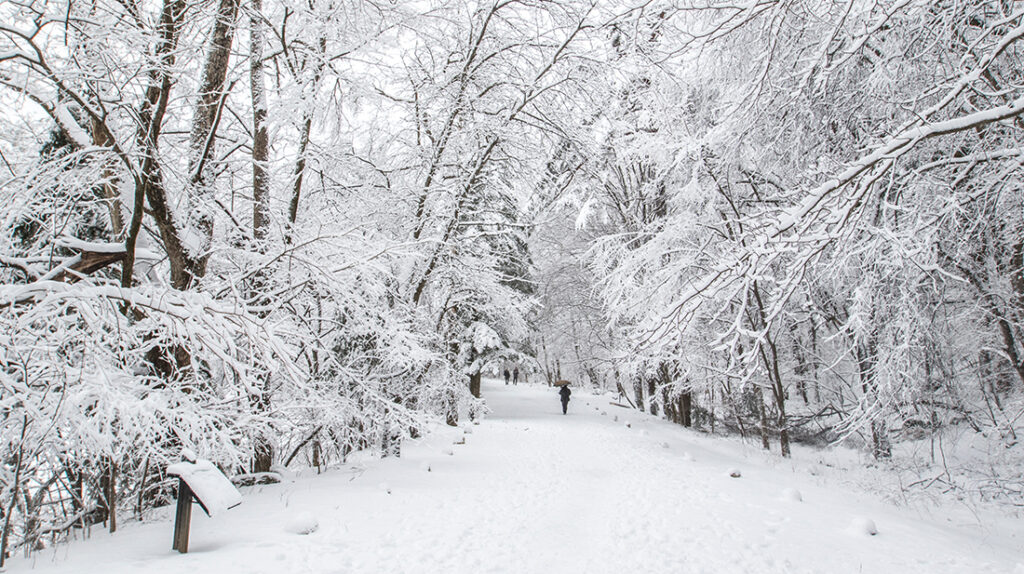
Odaesan Woljeongsa (오대산 월정사) & Fir Forest Path
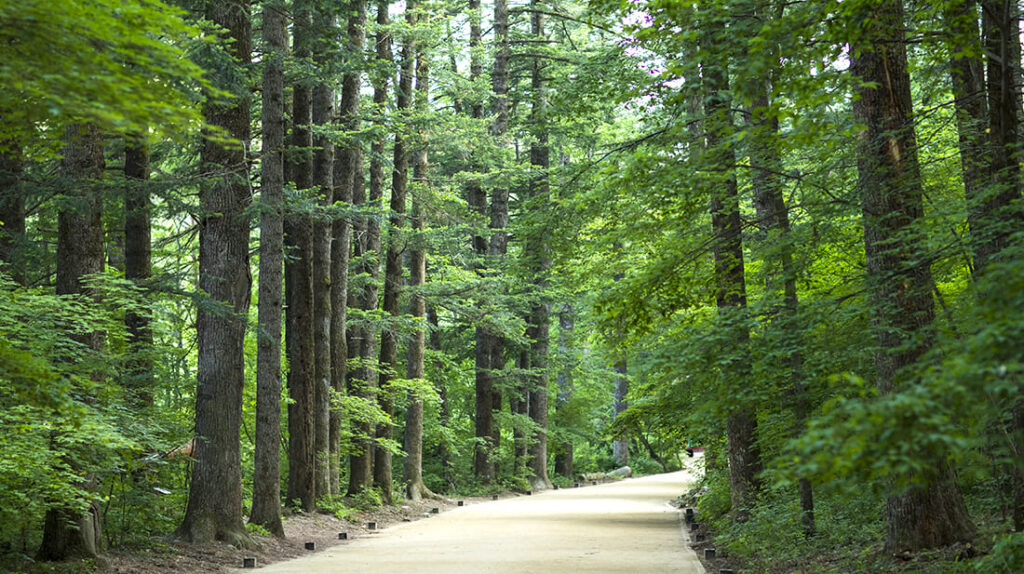
This path leads to the thousand-year-old Woljeongsa Temple nestled in Odaesan Mountain. It is perfect for a barefoot walk to breathe in the fresh phytoncide emitted by the massive, ancient fir trees.
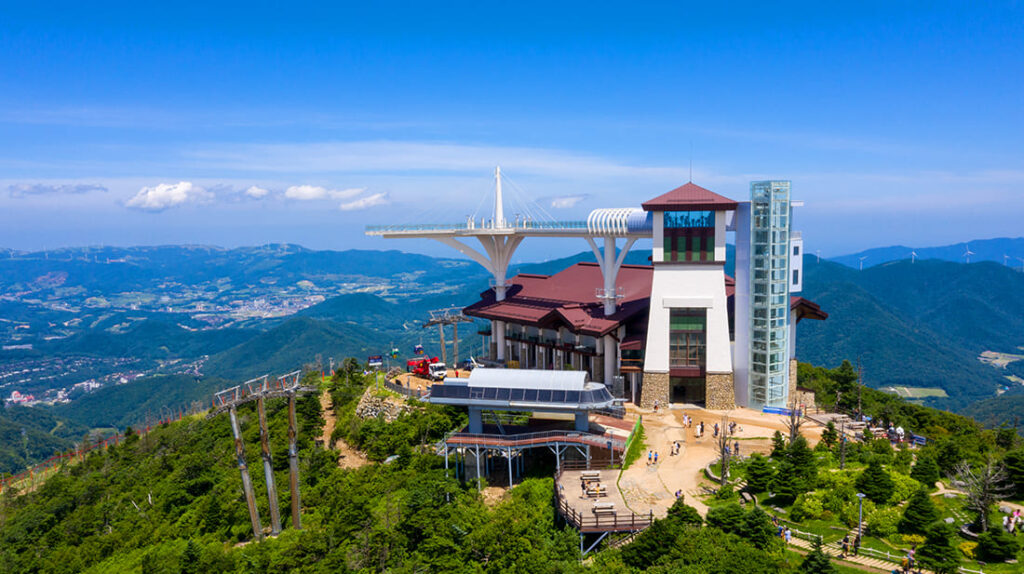
Balwangsan Skywalk (발왕산 스카이워크)
Take a scenic cable car from Yongpyong Resort to reach the peak of Balwangsan Mountain. Here, you can enjoy a panoramic view of the Baekdudaegan Mountain Range. Walk on the thrilling glass-bottomed Skywalk while feeling the cool mountain breeze of Pyeongchang.
Must-Try Local Foods in Pyeongchang
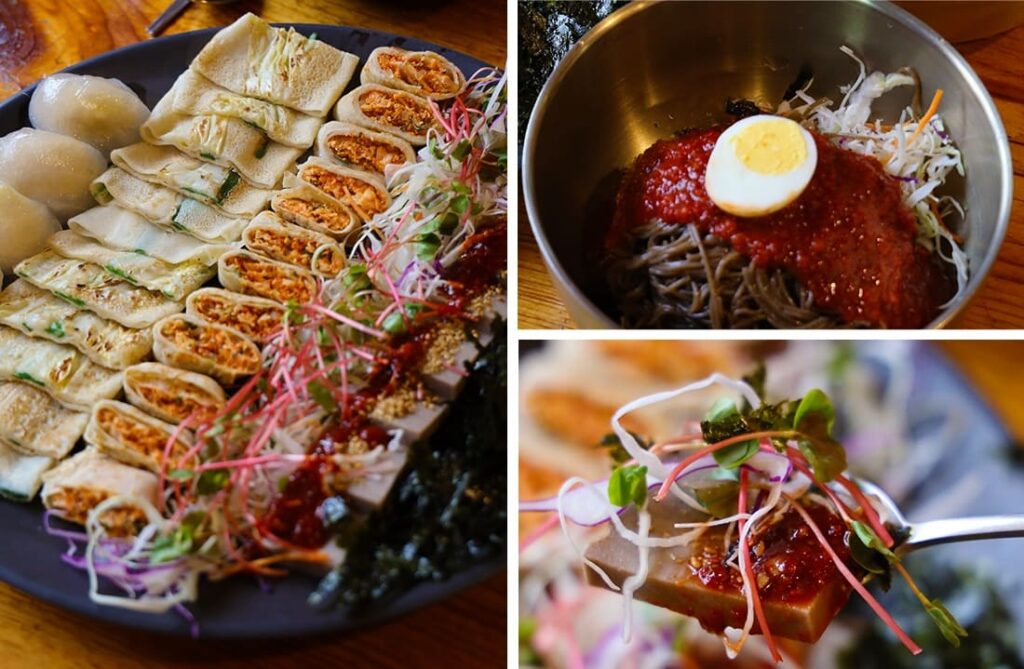
Bongpyeong Buckwheat Noodles (Memil Makguksu, 메밀 막국수)
Bongpyeong-myeon in Pyeongchang is the birthplace of buckwheat and the setting of the famous Korean novel When Buckwheat Flowers Bloom. You can try cold buckwheat noodle soup (Mul-makguksu), spicy mixed noodles (Bibim-makguksu), buckwheat pancakes (Memil-jeonbyeong), and buckwheat jelly soup (Memil-muksabal). All dishes offer a mild, savory, and healthy traditional taste.
Daegwallyeong Hanwoo (Korean Beef, 한우)
Raised in the clean highlands of Pyeongchang, this Korean beef is famous for its tender texture, rich marbling, and deep flavor. There are many butcher-style restaurants where you can handpick premium cuts and grill them yourself at a reasonable price.
Daegwallyeong Dried Pollack (Hwangtae, 황태) Dishes
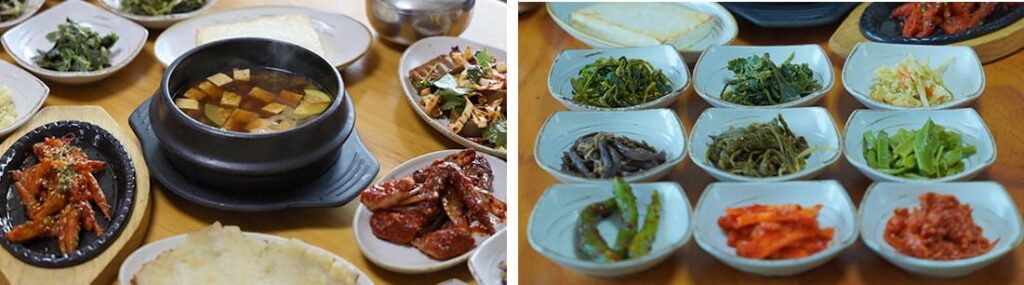
Hwangtae is dried pollack that repeatedly freezes and thaws in the harsh winter winds of Pyeongchang. The deep, milky dried pollack soup (Hwangtae-haejangguk) and the sweet and spicy grilled pollack (Hwangtae-gui) are local delicacies enjoyed by all generations.
Gondre-bap & Sanchae (Wild Vegetable) Set Menu: 곤드레밥과 산채정식
Sanchae set meal features a table full of fresh, aromatic wild greens harvested from OdaesanMountain. Gondre-bap is freshly cooked rice topped with soft gondre (thistle) leaves. Both dishes allow you to fully taste the clean nature of Pyeongchang.
Beyond its beautiful nature, Pyeongchang is a land filled with fascinating history, royal secrets, and heroic stories. Here are three amazing historical episodes that show a completely different side of Pyeongchang.
How to get there
From Seoul Station to Pyeongchang Station is by KTX.
The journey takes approximately 1 hour 40 minutes.

Mountains, forests, and the quiet determination that carried Korea to the Winter Olympics.
🎬 Pyeongchang in Film & Drama
- Welcome to Dongmakgol (2005, 웰컴 투 동막골)
Starring: Shin Ha-kyun, Kang Hye-jung, Jung Jae-young
A beloved Korean film set in a remote mountain village where the Korean War seems worlds away. - Winter Sonata (2002, 겨울연가)
Starring: Bae Yong-joon, Choi Ji-woo
The snowy romance that introduced Korea’s winter landscapes to the world - Goblin (2016, 도깨비)
Starring: Gong Yoo, Kim Go-eun
One of Korea’s most iconic drama locations, known for its magical forest scenery and snowy landscapes. - Gourmet (2008, 식객)
Starring: Kim Rae-won, Nam Sang-mi
Location: Jeonggangwon Traditional Food Culture Center
A culinary drama showcasing the philosophy and craftsmanship behind traditional Korean cuisine.
- Take Off (2009, 국가대표)
Starring: Ha Jung woo, Kim Dong-wook
Inspired by Korea’s ski jumping team and the dream of hosting the Winter Olympics. A perfect connection to PyeongChang 2018. - The Hymn of Death (2018, 사의 찬미)
Starring: Lee Jong-suk, Shin Hae sun
Quiet forests and mountain scenery reflecting Korea’s contemplative beauty
🌲 The Spirit of Pyeongchang
- Woljeongsa Temple
A mountain sanctuary surrounded by centuries-old fir forests - Daegwallyeong Sheep Farm
Rolling hills and pastoral landscapes unlike anywhere else in Korea - PyeongChang 2018 Winter Olympics
The event that introduced Korea’s winter mountains to a global audience
You May Also Like
- Buyeo – Invitation to a slower world
- Andong – Where Korea Learned to Listen
- Suncheon – Where Korea Slows Down
- Busan — The City That Carried a Nation
- Jeju — Waiting Beyond the Horizon
More to Explore on KHOREA.COM
Discover more stories across Korea — choose a category that inspires you.