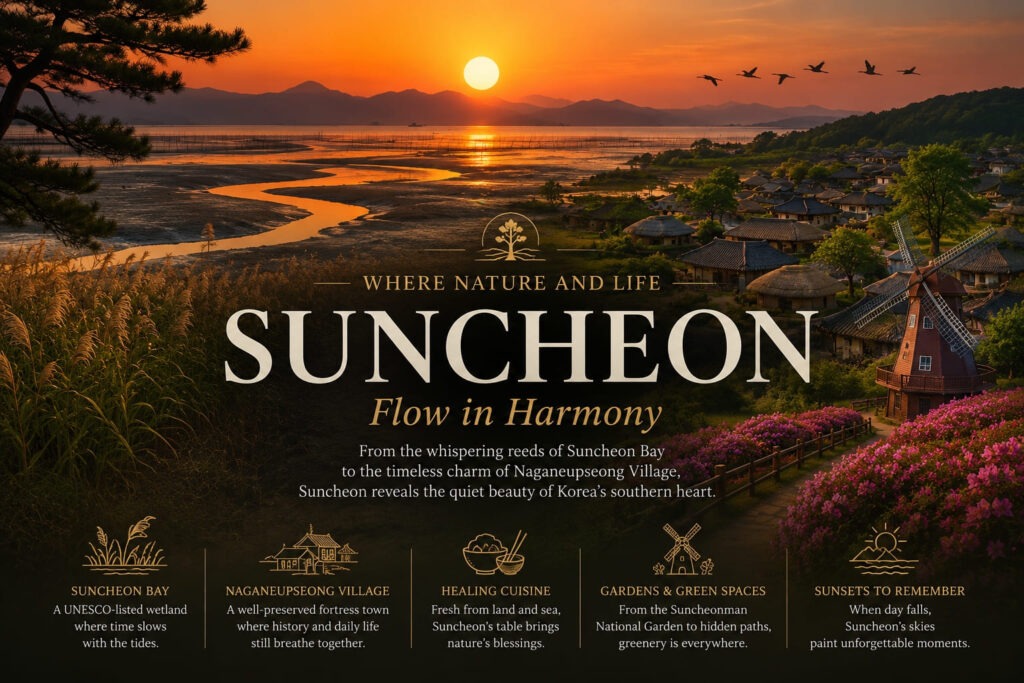
SUNCHEON, The Place Where Korea Slows Down
Wetlands. Gardens. Ancient Villages.
A city that teaches the art of moving gently.
Suncheon: Where Korea Slows Down
Beyond its breathtaking natural beauty, Suncheon also carries a complex history. Rather than being defined by past divisions, the city has embraced reconciliation, resilience, and a commitment to peace.
While the scars of the past run deep, Suncheon has chosen to move forward as a city of healing and renewal.
Today, the city stands as a testament to the enduring human spirit, inviting visitors not only to marvel at its landscapes but to appreciate the profound peace and harmony that define its soul in the present day.
The quiet dignity of the temples and the serene reeds of the wetlands now serve as a backdrop for a city that prizes life, healing, and the pursuit of peace above all else.
A Sanctuary of Slow Living
In a landscape often defined by the breathless neon pulse of Seoul, Suncheon stands as a deliberate, poetic exhale. Tucked into the pristine folds of South Jeolla Province (Jeonnam), this is a sanctuary where time seems to slow to the rhythm of the tides.
A Masterclass in Landscape Architecture & Biodiversity
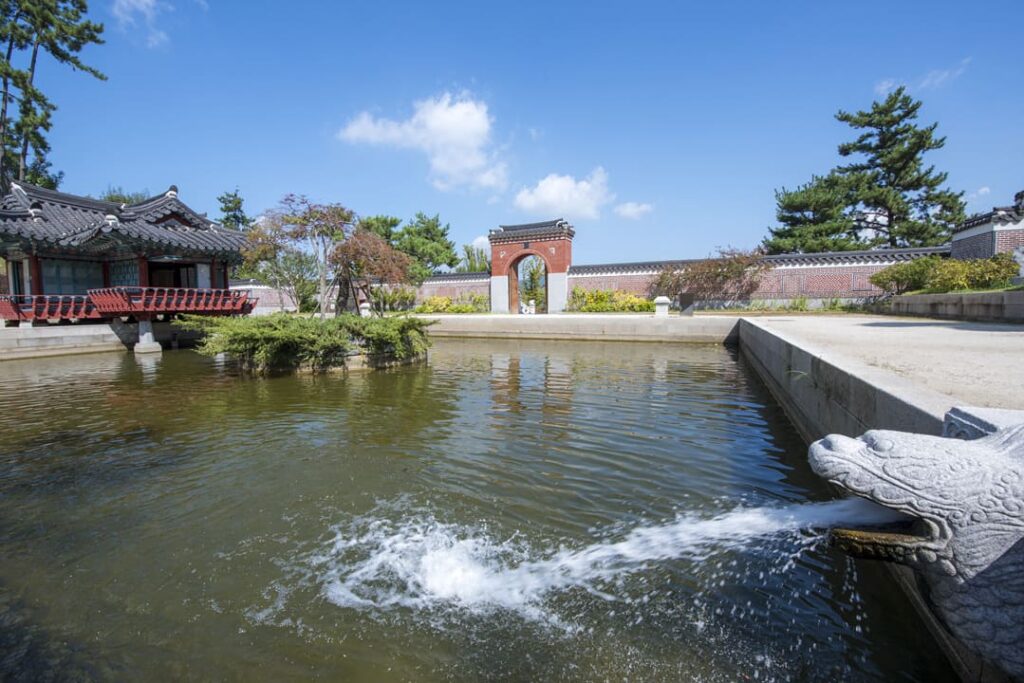
The crown jewel of the region is the Suncheon Bay National Garden. Originally created as the centerpiece of the 2013 International Garden Expo, the garden has evolved into one of Korea’s most celebrated public landscapes. It is a masterclass in horticultural design. Wander through the surrealist beauty of the international gardens before transitioning into the quiet, contemplative elegance of the traditional Korean sections.
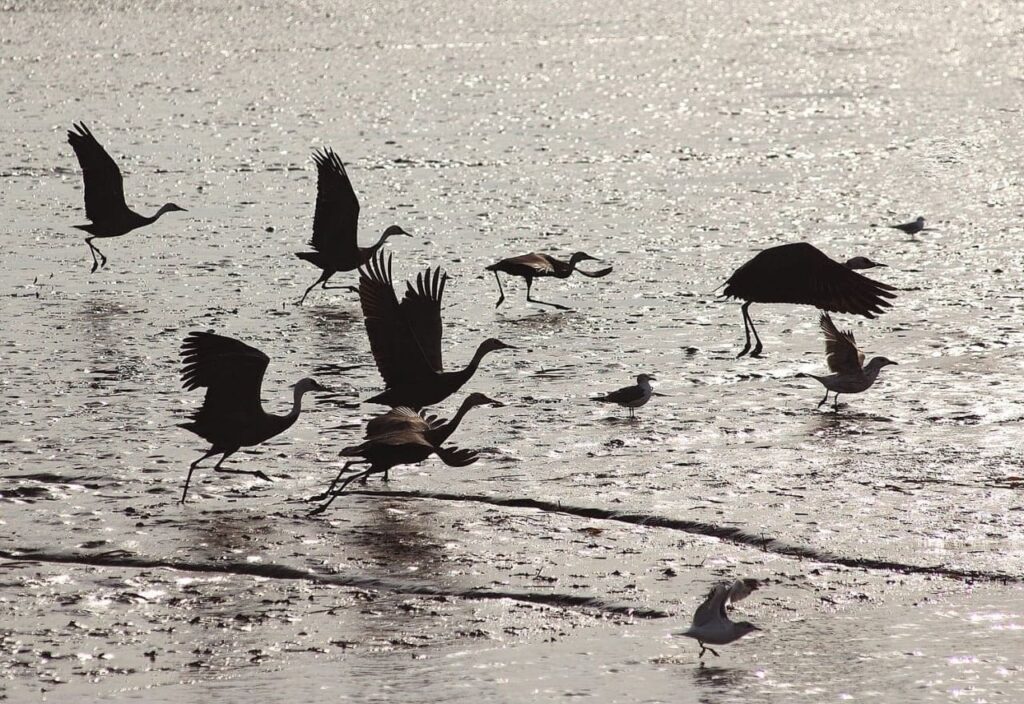
Just beyond the garden’s edge lies the Suncheon Bay Wetland Reserve. As you traverse the wooden boardwalks winding through the dense, swaying reeds, you are met with a living, breathing canvas: mudskippers dancing across tidal flats and rare hooded cranes taking flight against a violet sunset—a coastal ecosystem that feels remarkably preserved despite the pressures of modern development.
Spiritual Sanctuaries in the Forest
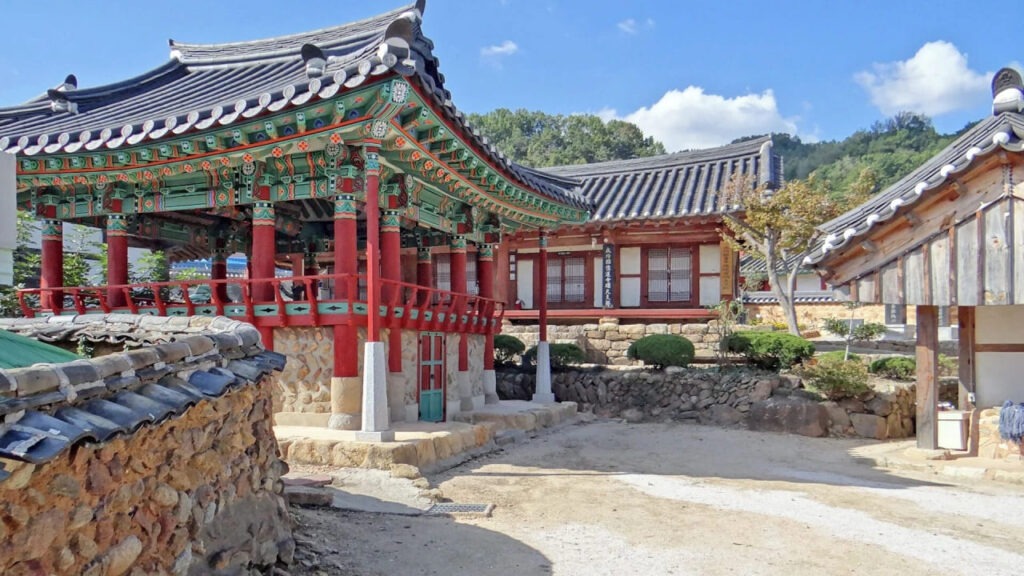
Deep within the verdant embrace of Mount Jogye, two of Korea’s most revered Buddhist temples reside, offering a profound sense of serenity.
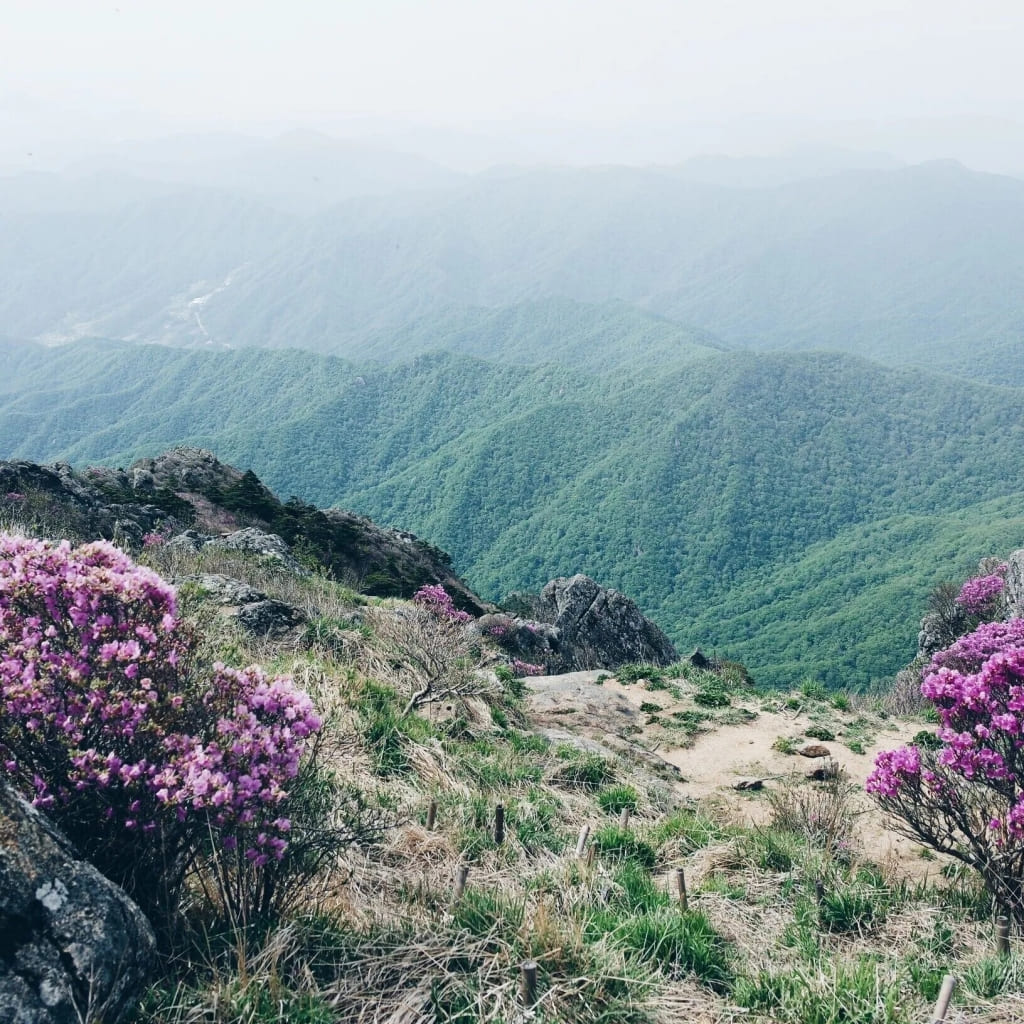
- Seonamsa Temple(선암사): Known for its understated elegance, Seonamsa is a masterclass in natural harmony. The approach to the temple, featuring the iconic Seungseongyo stone arch bridge, feels like stepping into a Joseon-era landscape painting. It is a place of peeling paint, ancient tea gardens, and the soft chime of temple bells echoing through the mountain mist.
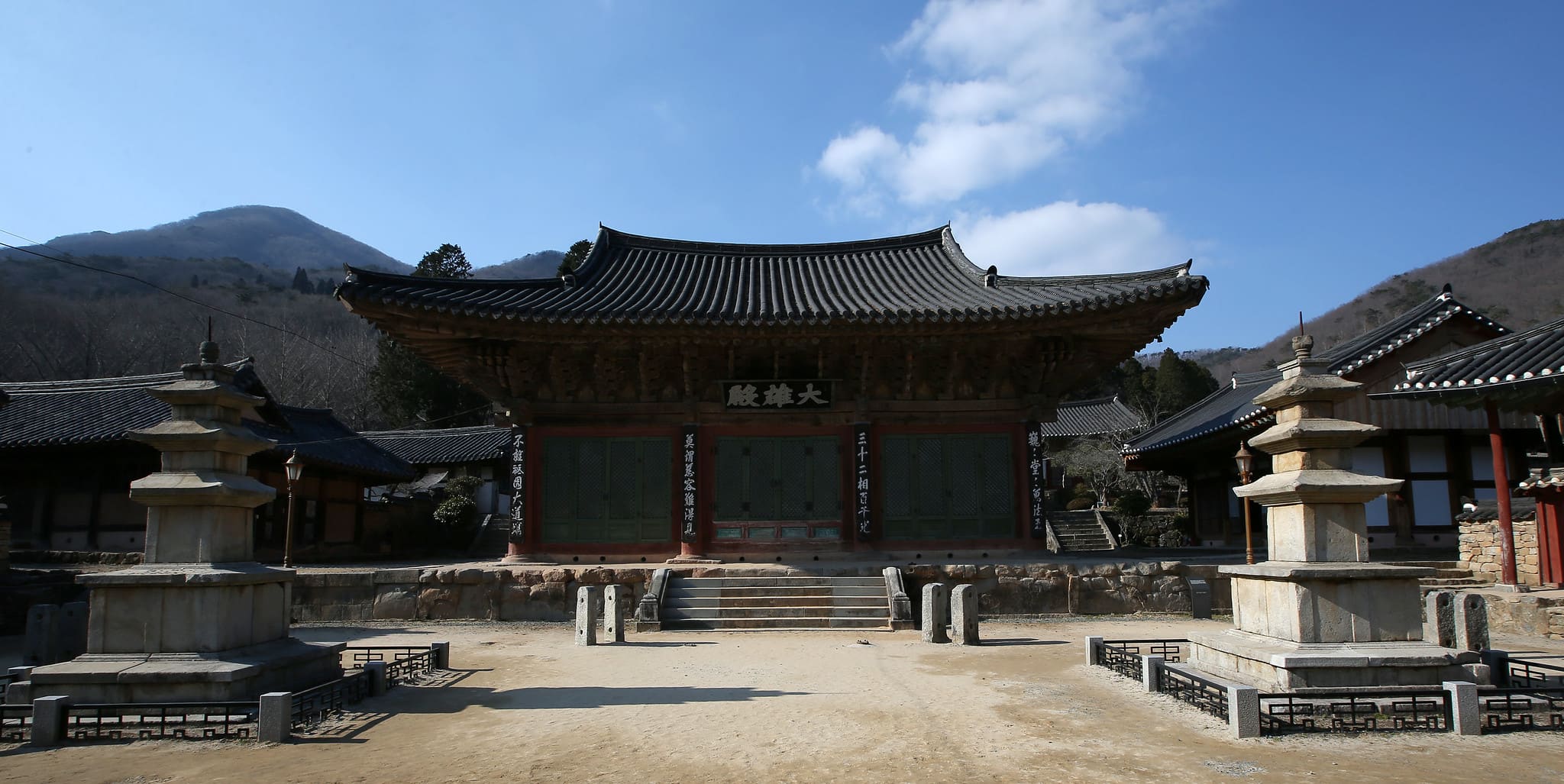
- Songgwangsa Temple(송광사): As one of the “Three Jewel Temples” of Korea, Songgwangsa carries an air of immense gravitas. It is a center of Zen practice, characterized by its sprawling complex of wooden halls and tranquil courtyards. The atmosphere here is thick with history and meditative stillness, inviting visitors to pause and reflect amidst the towering forest canopy.
A Journey Through Time
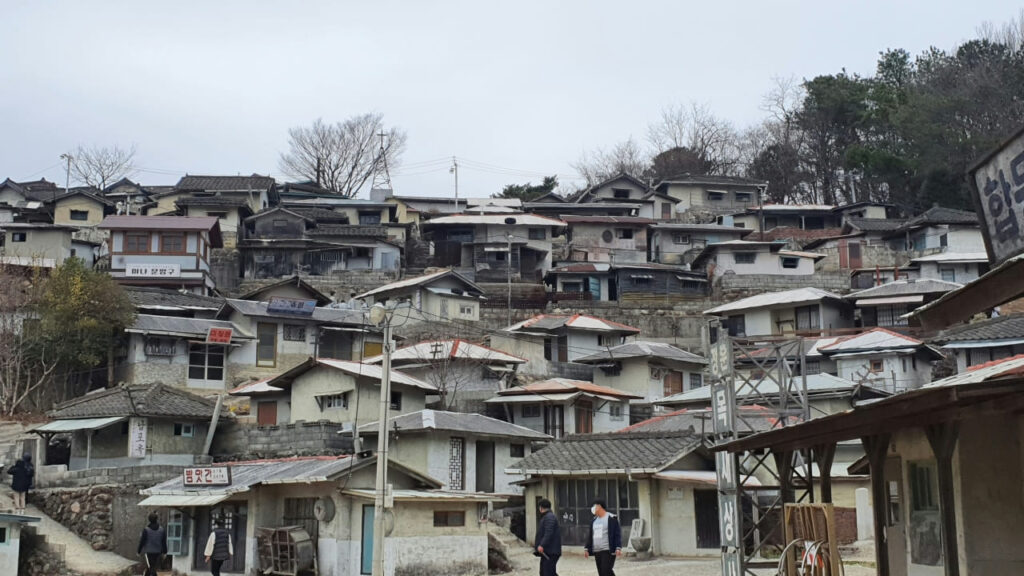
For those seeking a touch of cinematic nostalgia, the Suncheon Film Set offers a compelling contrast. Numerous Korean films and television dramas have been filmed here, making it a favorite destination for visitors curious about Korea’s recent past. This expansive outdoor studio recreates the streetscapes of South Korea from the 1960s to the 1980s. Whether it is the gritty charm of a hillside shanty town or the bustling lanes of an old commercial district, it provides a vivid, immersive look into the nation’s post-war evolution. It is not just a backdrop for films; it is a sensory time capsule that evokes the bittersweet nostalgia of a rapidly changing era.
A Living Heritage
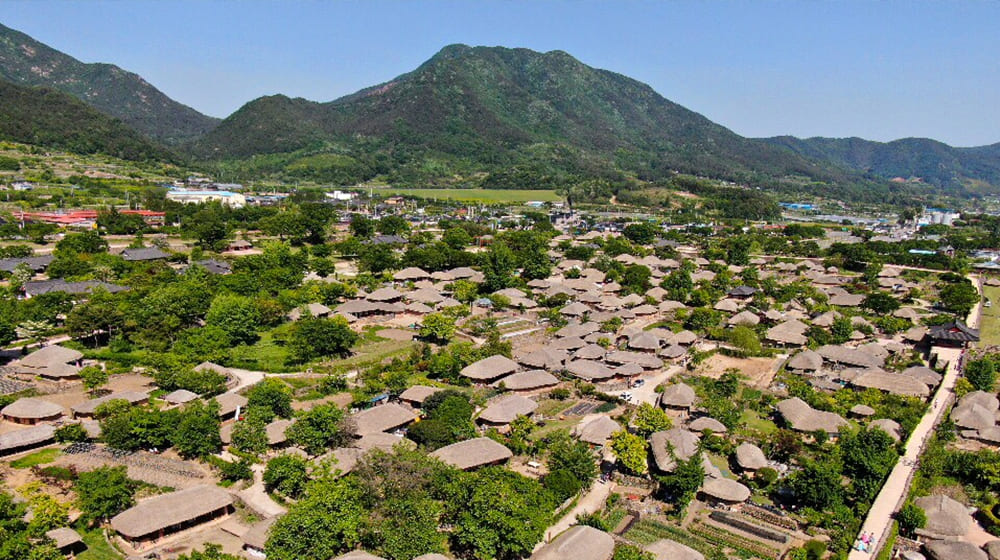
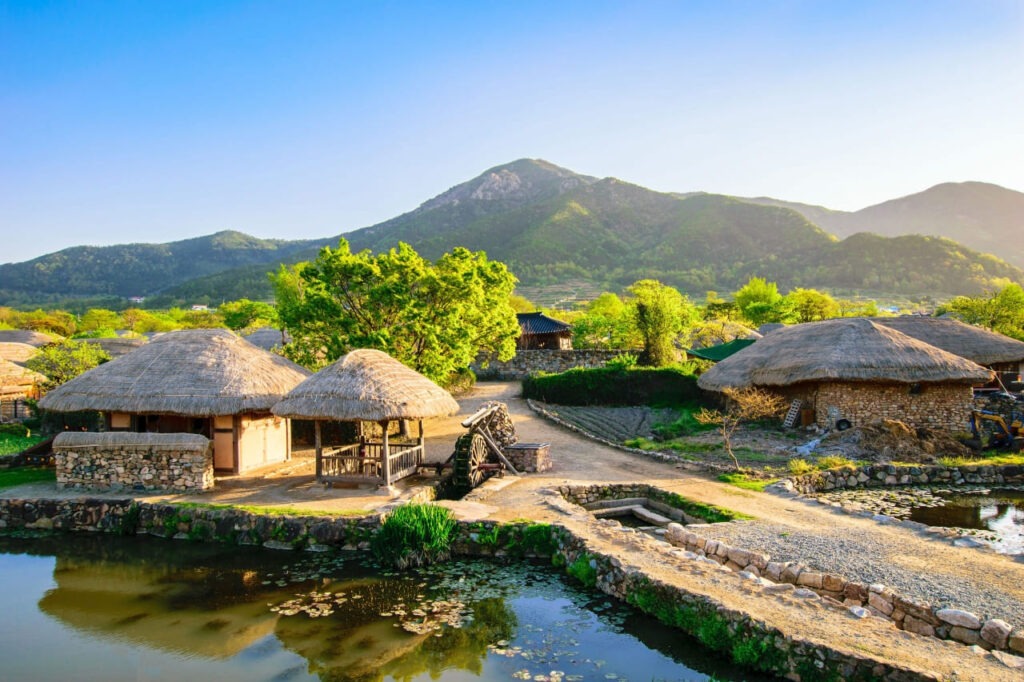
Finally, no trip to Suncheon is complete without a visit to the Naganeupseong Walled Town (낙안읍성). Unlike many reconstructed heritage sites, Naganeupseong remains a living walled town where residents continue to inhabit traditional homes. Within its ancient stone walls, thatched-roof cottages still house local residents. The scent of wood smoke often hangs in the air, creating a pastoral narrative that has persisted for over six hundred years.
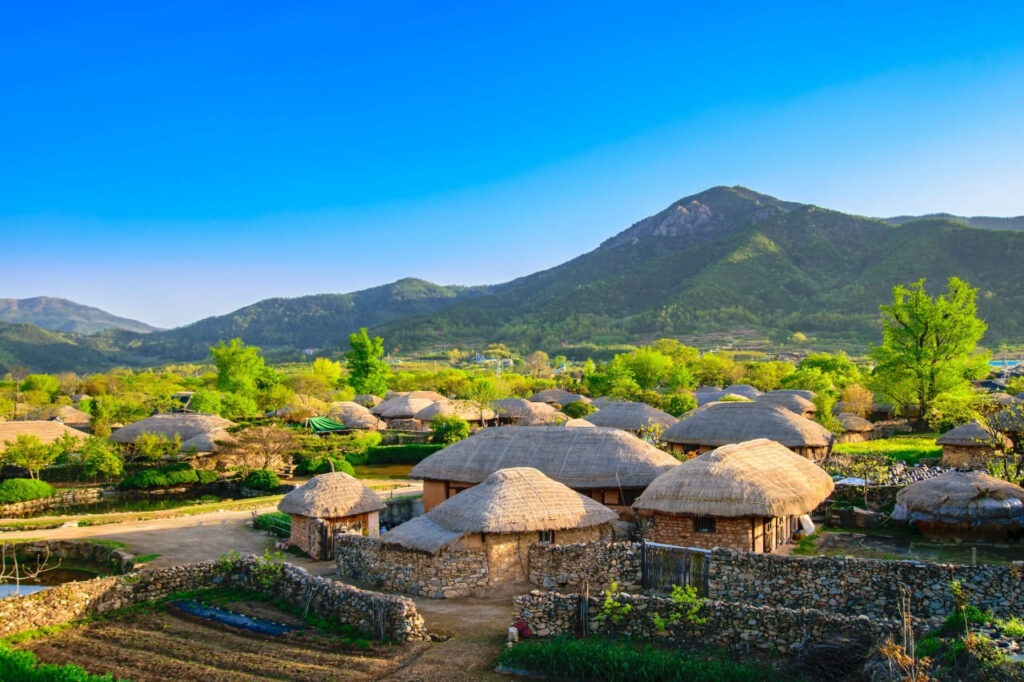
Unlike many reconstructed heritage sites, Naganeupseong remains a living walled town where residents continue to inhabit traditional homes. Within its ancient stone walls, thatched-roof cottages still house local residents. The scent of wood smoke often hangs in the air, creating a pastoral narrative that has persisted for over six hundred years.
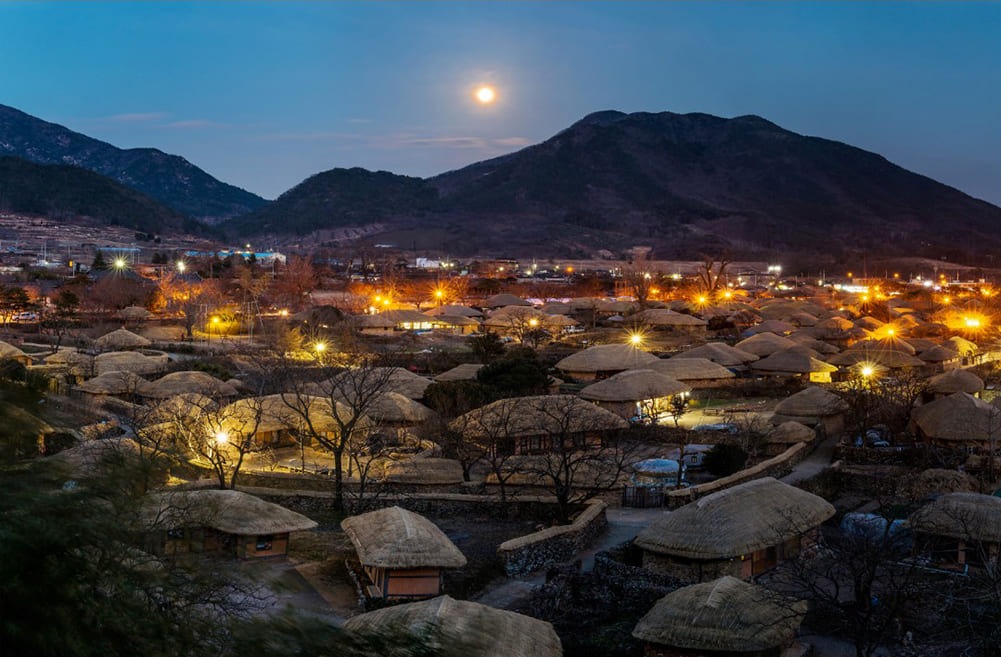
The town remains deeply connected to Korea’s living folk traditions. Throughout the year, Naganeupseong hosts a variety of cultural events, including the Jeongwol Daeboreum Folk Festival around the first full moon of the lunar year, the National Gugak Competition and Gayageum Byeongchang Contest in May, and the Naganeupseong Folk Culture Festival, Local Food Festival, and National Photography Contest in October. These celebrations bring music, food, and traditional customs back into the streets, allowing visitors to experience a heritage that is still actively lived rather than merely preserved.
How to get there
Take KTX from Yongsan station or Seoul station
Destination: Suncheon station
Duration: 2h 30m ~ 3h
🎟️ KHOREA Travel Desk
Choose your preferred booking partner.
🛏️ Hotels in Suncheon





Some cities invite you to move faster.
Suncheon invites you to slow down long enough to notice what truly matters.
If Seoul represents motion, Suncheon celebrates pause.
🎬 Suncheon in Film & Drama
- Love Rain (2012, 사랑비) Parts of Suncheon Bay and its reed fields appeared in this lyrical romance known for its beautiful natural scenery.
- East of Eden (2008, 에덴의 동쪽) Filmed extensively at the Suncheon Open Film Set, recreating Korea’s rapidly changing decades.
- Giant (2010, 자이언트) One of many historical-modern dramas that utilized the Suncheon Drama Set to recreate Korea from the 1960s through the 1980s.
- Reply 1988 (2015, 응답하라 1988) Not filmed primarily in Suncheon, but emotionally resonates with the nostalgic atmosphere recreated at the Suncheon Drama Set.
🌿 The Spirit of Suncheon
- Suncheon Bay Wetland A landscape where reeds, tidal flats, and migratory birds create one of Korea’s most peaceful natural sanctuaries.
- Suncheon Bay National Garden A masterclass in landscape design where nature and artistry coexist in harmony.
- Seonamsa & Songgwangsa Two of Korea’s most beloved Buddhist temples, inviting visitors to slow down and reflect.
- Nagan Eupseong Folk Village A living heritage village where traditional life continues within centuries-old stone walls.
Where Nature Meets Nuance
Suncheon does not clamor for your attention; it earns it through subtlety. It is a place for travelers seeking something increasingly rare: stillness. In Suncheon, nature, history, and daily life move together at an unhurried pace, offering a glimpse of a Korea that values harmony over haste.
Some cities invite you to visit. Suncheon invites you to heal.
You May Also Like
More to Explore on KHOREA.COM
Discover more stories across Korea — choose a category that inspires you.