
South Korea is a land where ancient dynasties and modern innovation coexist in remarkable harmony. From royal palaces and ancient temples to fortress walls and historic cities, the country offers travelers a timeless journey through over a thousand years of history and culture.

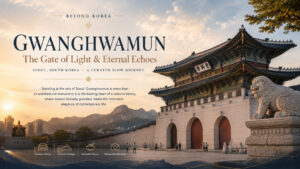
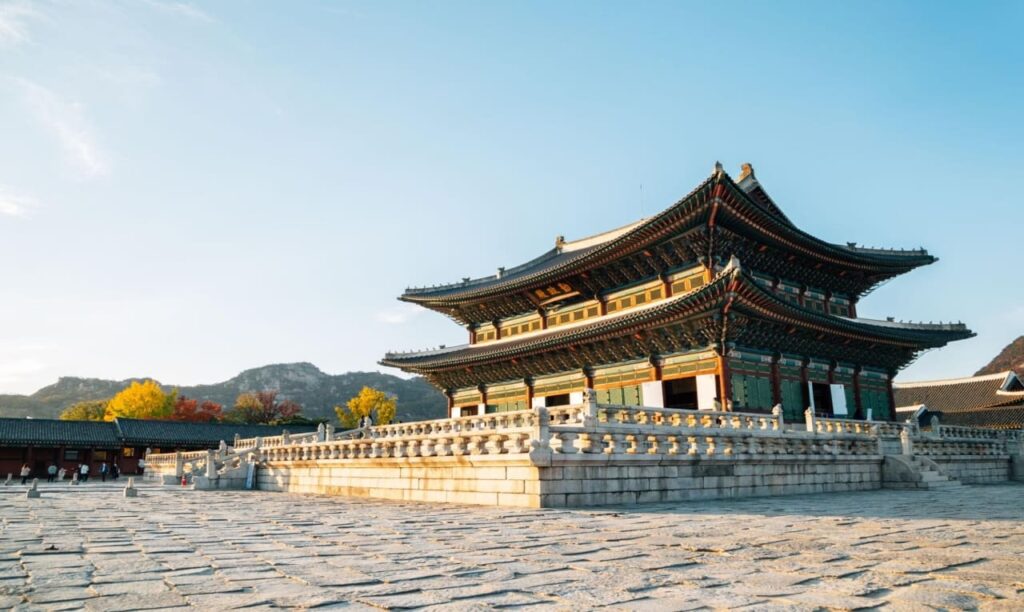
In Seoul, Gyeongbokgung Palace stands as the grandest palace of the Joseon Dynasty and a powerful symbol of Korea’s royal heritage. Built in 1395, the palace once served as the political and cultural heart of the kingdom. Today, visitors can witness the elegant Changing of the Guard ceremony, stroll through majestic throne halls and serene royal pavilions, and experience court culture that shaped Korean history. Just nearby, Bukchon Hanok Village offers a charming journey into the past, where traditional hanok houses line quiet alleyways between modern city buildings, preserving the atmosphere of the Joseon-era aristocratic neighborhood.
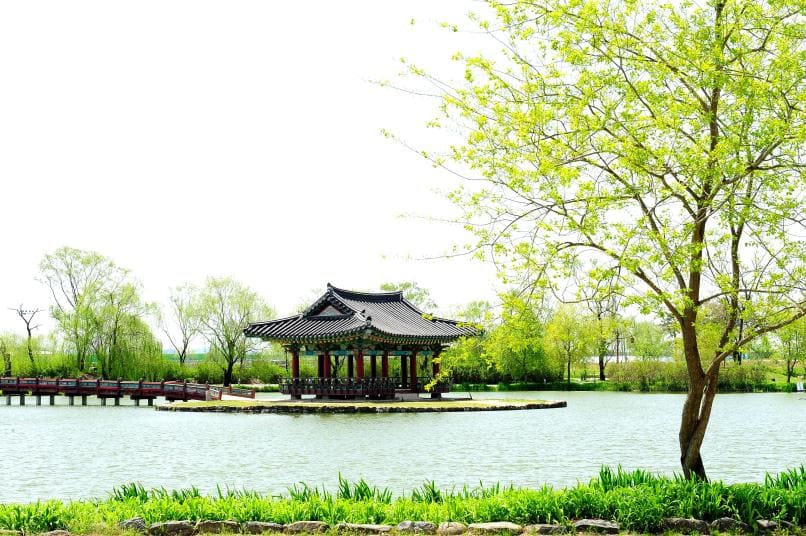
Traveling southeast, the ancient capital of Gyeongju is often called “the museum without walls.” Once the capital of the Silla Kingdom for nearly a thousand years, the city is home to countless archaeological sites, royal tombs, and cultural treasures. Among them, Bulguksa Temple and Seokguram Grotto represent the pinnacle of Buddhist art and architecture, reflecting the spiritual and artistic achievements of ancient Korea.

Korea’s historical legacy also lives on through the cultures of the Goguryeo and Baekje kingdoms. The Goguryeo Tombs preserve remarkable mural paintings that reveal the lifestyle, beliefs, and artistic sophistication of the Goguryeo people. Meanwhile, the Baekje heritage areas in Gongju and Buyeo showcase elegant royal tombs, temples, and ancient ruins, highlighting Baekje’s refined culture and its active exchange with neighboring civilizations across East Asia.
In Suwon, the magnificent Hwaseong Fortress stretches gracefully along the hills, combining military innovation, architectural beauty, and the story of King Jeongjo’s devotion to his father. Walking along the fortress walls offers one of the most scenic historical experiences in Korea.
Further south, the vibrant coastal city of Busan connects visitors to Korea’s maritime history and the legacy of the Gaya Confederacy, an ancient federation known for its advanced iron technology and maritime trade. Nearby Gimhae preserves royal tombs and archaeological sites that reveal the story of the Gaya civilization, an important but often overlooked chapter of early Korean history.

From royal palaces and ancient kingdoms to mountain temples and coastal cities, Korea’s history is not confined to museums—it lives in the cities, landscapes, and traditions of everyday life.
Exploring Korea’s history is more than a journey into the past; it is an experience that reveals the foundation of modern Korea and the spirit of its people.
You May Also Like
- Why Visit South Korea in 2026: A Complete Luxury Korea Travel Guide
- Korea Travel Guide 2026 – Complete Itinerary, Cities & Travel Tips
- Seoul Travel Guide 2026 – Best Areas, Hotels & Itinerary
- Myeongdong Travel Guide 2026 – Where to Stay, Eat & Shop in Seoul
- Best Hotels with Pool in Seoul (2026 Guide)
- Buyeo – Invitation to a slower world
More to Explore on KHOREA.COM
Discover more stories across Korea — choose a category that inspires you.