
Not Frozen in Time.
Living With It.
Before there was Seoul, there was Seorabeol (서라벌).
A thousand years ago, Gyeongju watched the stars.
Perhaps one day, it will inspire us to reach them.
Ancient Roots. Modern Heart. Timeless Discovery.
Some cities race toward tomorrow.
Gyeongju chose to carry yesterday with grace.
For nearly a thousand years, this was the capital of the Silla Kingdom↗. Kings ruled here, scholars studied the stars here, and monks shaped one of East Asia’s greatest Buddhist cultures. Most ancient capitals eventually disappeared beneath modern skylines.
Gyeongju never did.
Instead, it quietly became something far more remarkable—a city where history is not preserved behind museum glass, but woven into everyday life.
Children walk past royal tombs on their way to school.
Families picnic beneath hills that were once the resting places of kings.
Ancient temples still welcome morning prayers, just as they did centuries ago.
In Gyeongju, the past isn’t reconstructed.
It simply never left.
A Thousand Years of One Kingdom
Few cities in the world remained the center of a civilization for almost one thousand years.
From 57 BC to AD 935, Gyeongju stood at the heart of the Silla Kingdom, guiding the political, cultural, and spiritual development of the Korean Peninsula.
That extraordinary legacy still defines the city today.
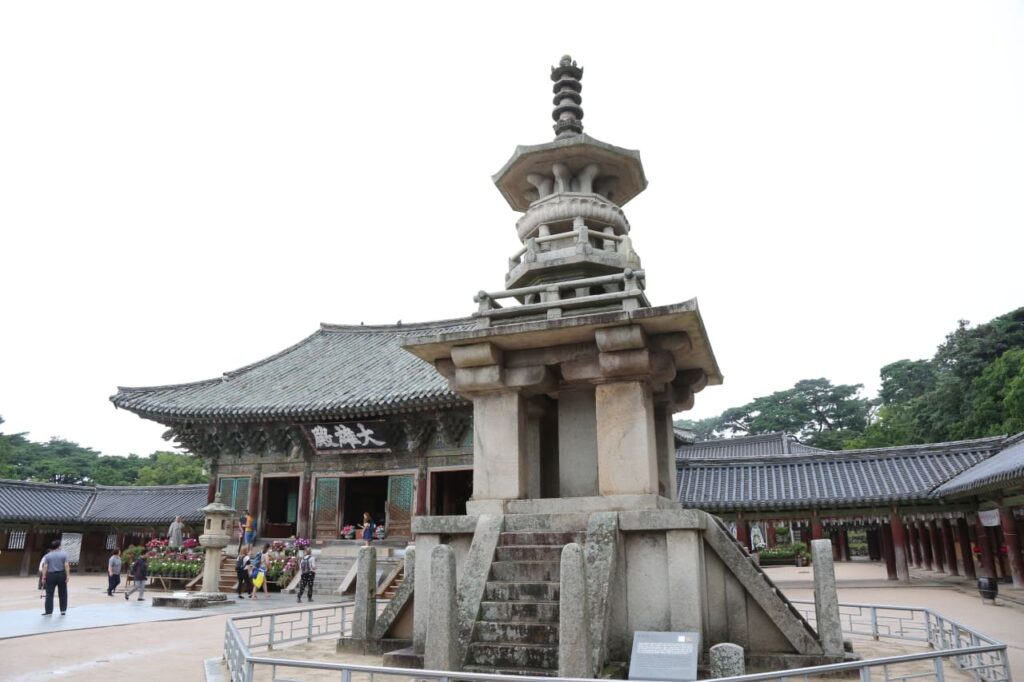
Bulguksa Temple reflects the artistic brilliance of Silla Buddhism.
Seokguram Grotto represents one of Asia’s finest achievements in stone architecture.
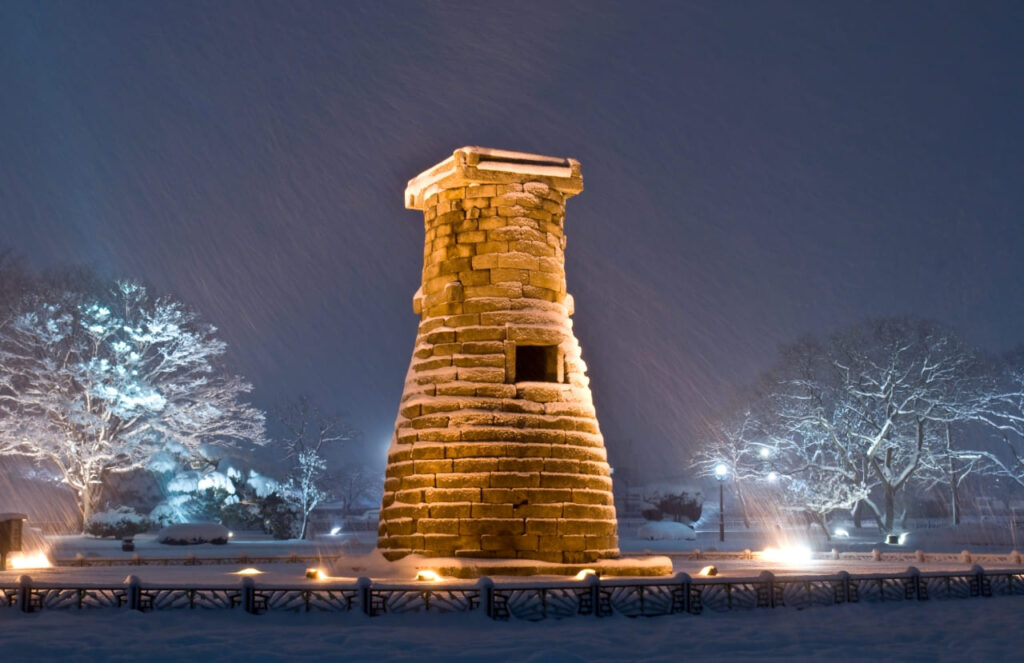
Cheomseongdae Observatory reminds visitors that this ancient kingdom looked not only toward the earth, but also toward the stars.
The royal tombs of Daereungwon continue to shape the city’s skyline—not with skyscrapers, but with quiet green hills that have watched over Gyeongju for centuries.
This is history on a monumental scale, yet it never feels distant.
It feels lived in.
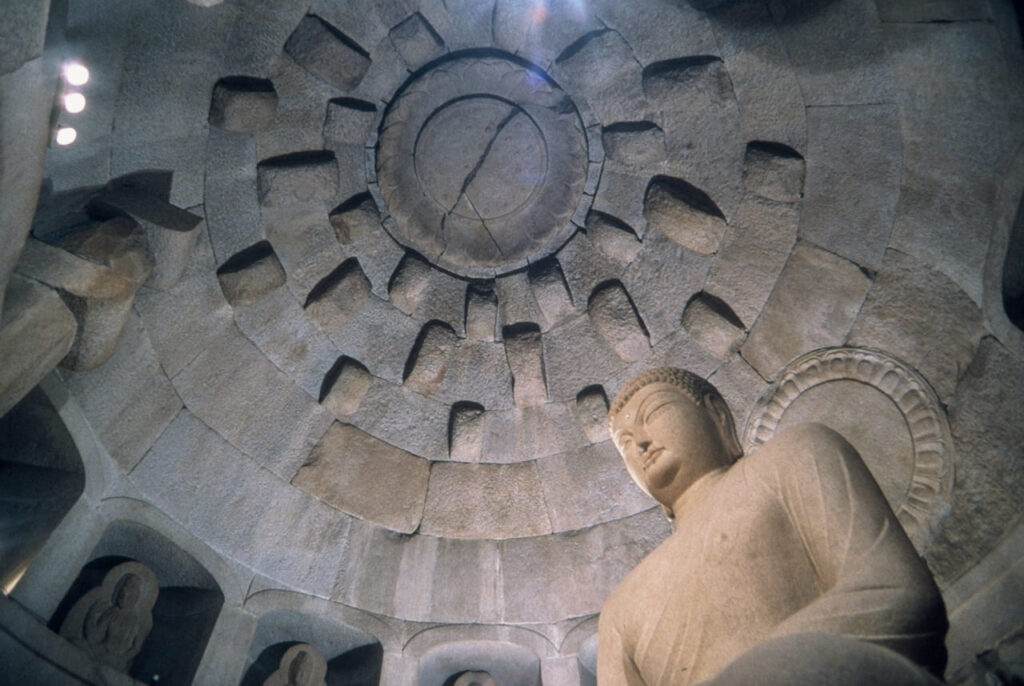
Seorabeol: The Ancient Capital of Silla
Long before it became known as Gyeongju, the city was called Seorabeol(서라벌)—the royal capital of the Silla Kingdom and the name from which the modern Korean word Seoul, meaning “capital,” is believed to have evolved.
Also known as Geumseong (Golden Fortress, 금성) and Gyerim (Rooster Forest, 계림), Seorabeol flourished for nearly a thousand years as the political, cultural, and spiritual heart of Silla.
Following the unification of much of the Korean Peninsula in AD 668, Seorabeol became one of the largest cities in the world. Historical records suggest its population may have approached one million at its height, while its prosperity reached as far as Persia, where Arab geographers recorded accounts of the distant kingdom.
Most of Gyeongju’s iconic landmarks—including royal tombs, temples, and observatories—trace their origins to this remarkable golden age.
When the Silla Kingdom came to an end in AD 935, the city lost its status as the nation’s capital. Five years later, in 940, the new Goryeo dynasty renamed it Gyeongju, meaning “Celebratory Province,” a name it proudly carries to this day.
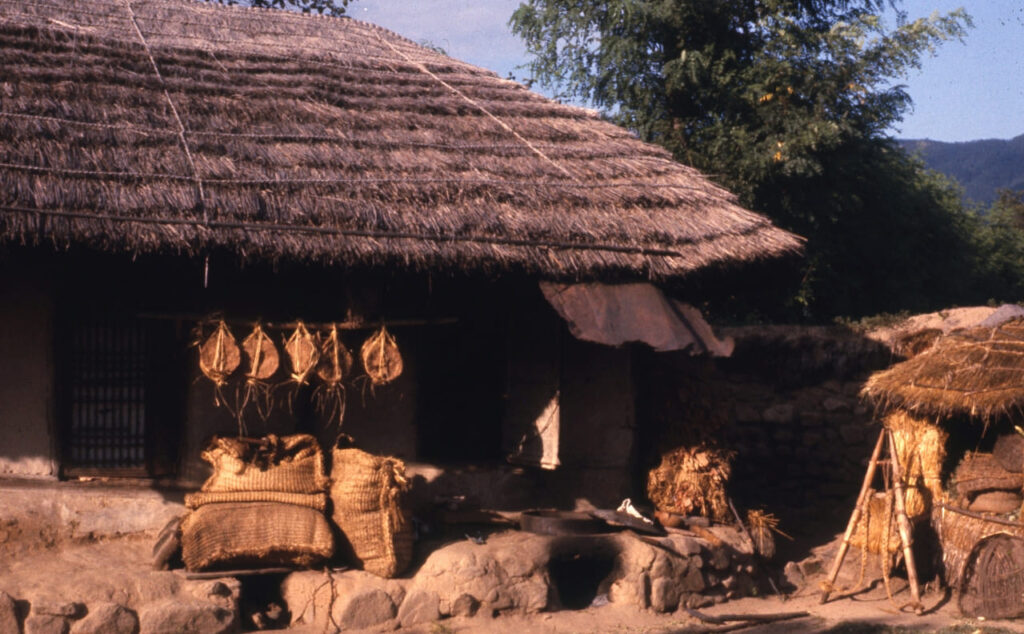
Where Time Moves More Gently
Modern Korea is often defined by speed.
High-speed rail.
Technology.
Innovation.
Global cities.
Gyeongju offers something equally valuable.
Perspective.
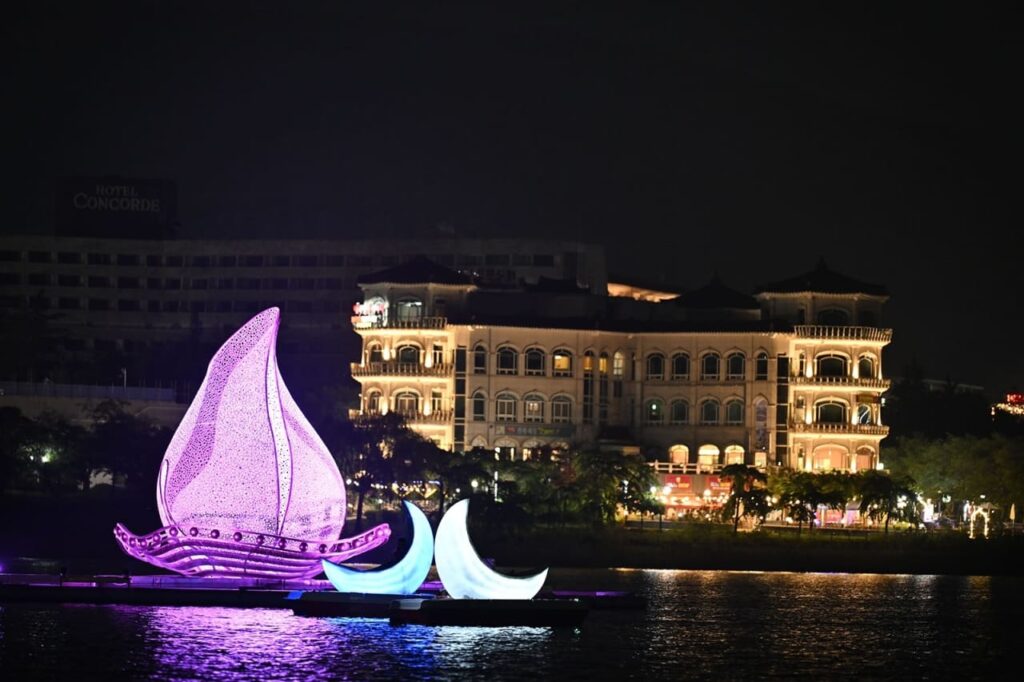
Rather than replacing its past, the city learned to grow around it.
Historic streets lead naturally into neighborhood cafés.
Traditional Hanok houses now welcome artists, bookshops, and independent designers.
The city’s most vibrant district, Hwangnidan-gil, doesn’t compete with history.
It coexists with it.
The New Pulse: Hwangnidan-gil (황리단길)
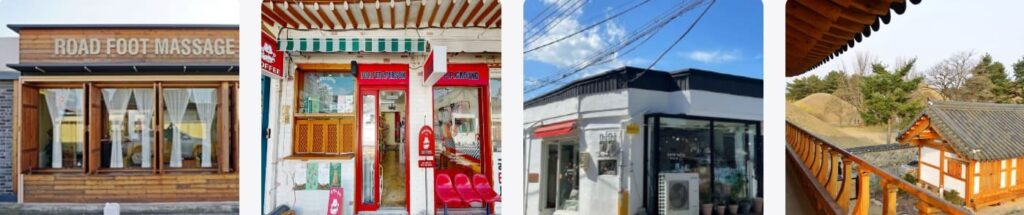
Young entrepreneurs have transformed old buildings into spaces filled with coffee, ceramics, handmade crafts, and thoughtful design, proving that heritage and creativity can thrive together.
Gyeongju never stopped changing.
It simply changed more carefully.
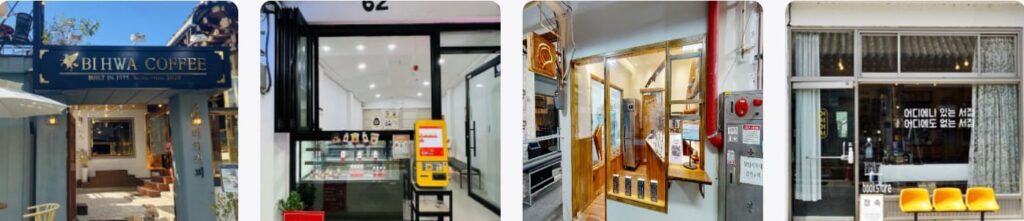
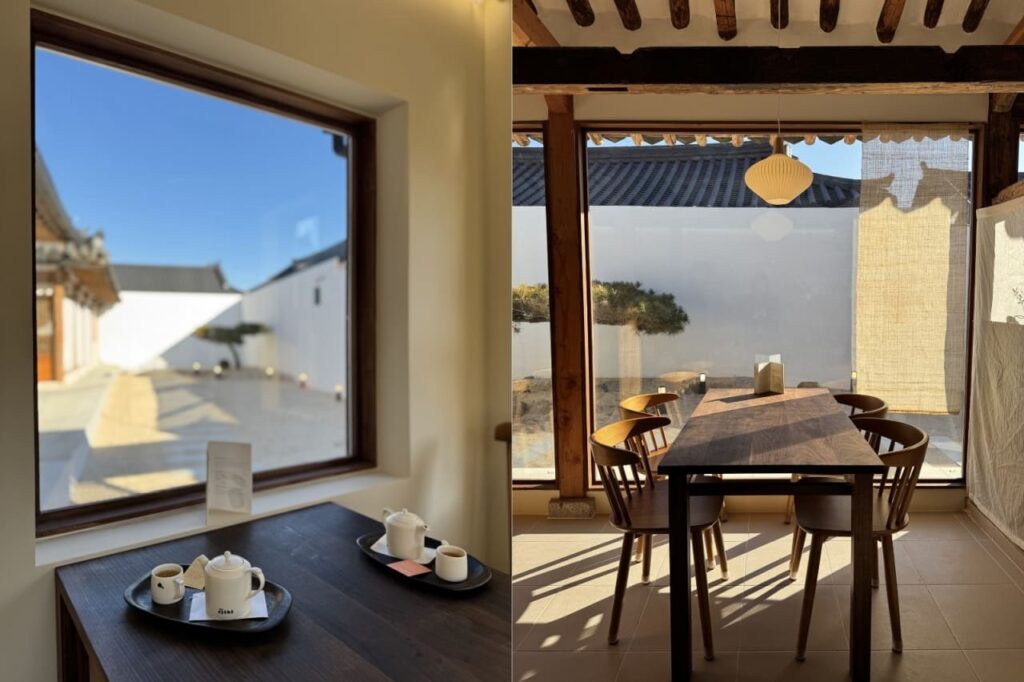
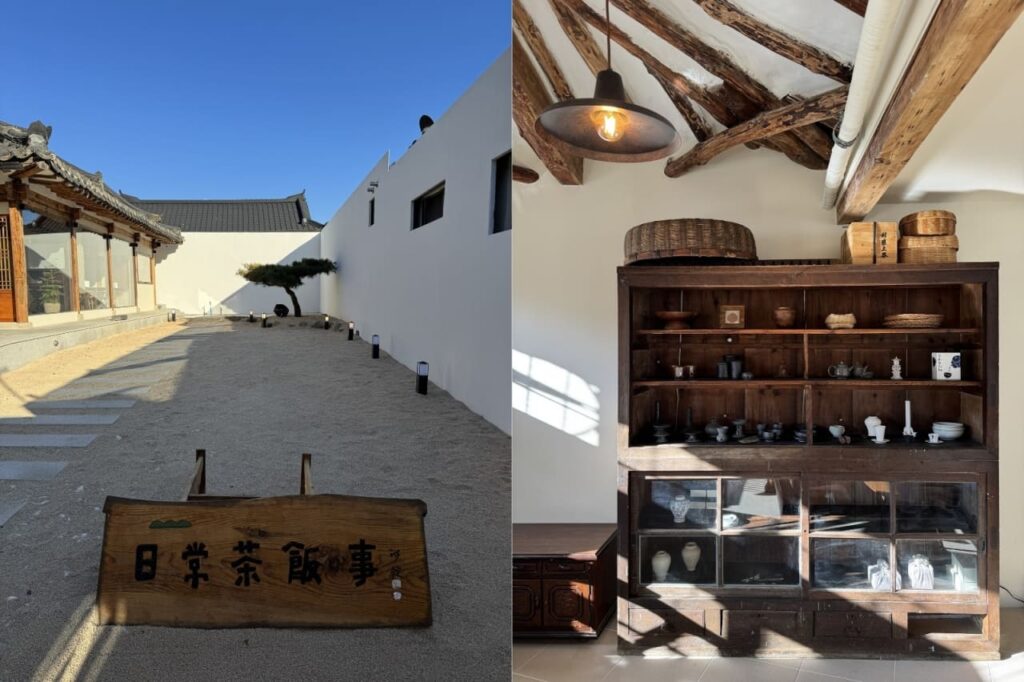
- The Aesthetic of Respite: Spend your afternoon in a renovated Hanok café, where high-ceilinged exposed beams and minimalist interiors frame a view of the nearby ancient burial mounds. It is a striking juxtaposition of the ancient landscape and modern design sensibilities.
- Refined Gastronomy: Move beyond traditional temple food to explore Gyeongju’s growing “slow food” movement. Local chefs are now reinterpreting regional ingredients with modern techniques, offering a culinary narrative that respects the past while embracing modern culinary artistry.
- Curated Living: From bespoke stationary shops to studios showcasing local ceramicists, Hwangnidan-gil is a testament to Gyeongju’s new identity—a city that honors its ancestors not by staying still, but by creating beauty in the present.
The Luxury of Slowing Down
Not every destination asks you to do more.
Some invite you to notice more.
Watch the evening reflections shimmer across Wolji Pond.
Listen to the quiet wind surrounding Seokguram.
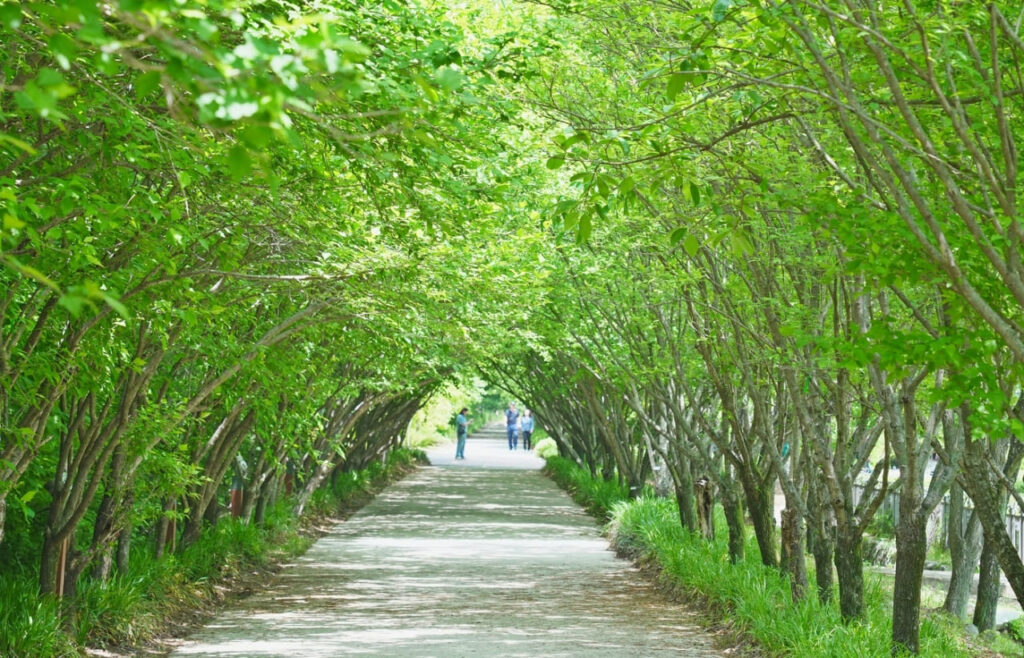
Walk beneath centuries-old pine trees before arriving at Bulguksa.
Pause beside Cheomseongdae as daylight fades into evening.
These moments cannot be rushed.
They reward travelers willing to slow their pace and let the city reveal itself.
That is Gyeongju’s greatest luxury.
Not exclusivity.
Not extravagance.
But time.

A Sophisticated Escape: 2 Days in Gyeongju
For the discerning traveler, Gyeongju is the ultimate sanctuary where the legacy of the Silla Kingdom meets a vibrant, contemporary lifestyle. This 2-day itinerary—designed for the modern, design-conscious voyager—balances the grand historical weight of the ancient capital with the intimate, slow-paced charm of Gyeongju’s new creative neighborhoods.
The Journey
Departing from Myeong-dong, Seoul:
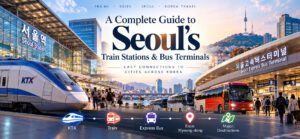
Begin your journey by traveling from Seoul station to SinGyeongju Station via the KTX high-speed rail. The transit is seamless, taking approximately 2.5 hours, allowing you to transition from the urban energy of Seoul to the peaceful, rolling horizons of the Gyeongju countryside.
Day 1: The Grandeur of Silla
Focus: Immersive history and architectural majesty.
- Morning: The Spiritual Zenith
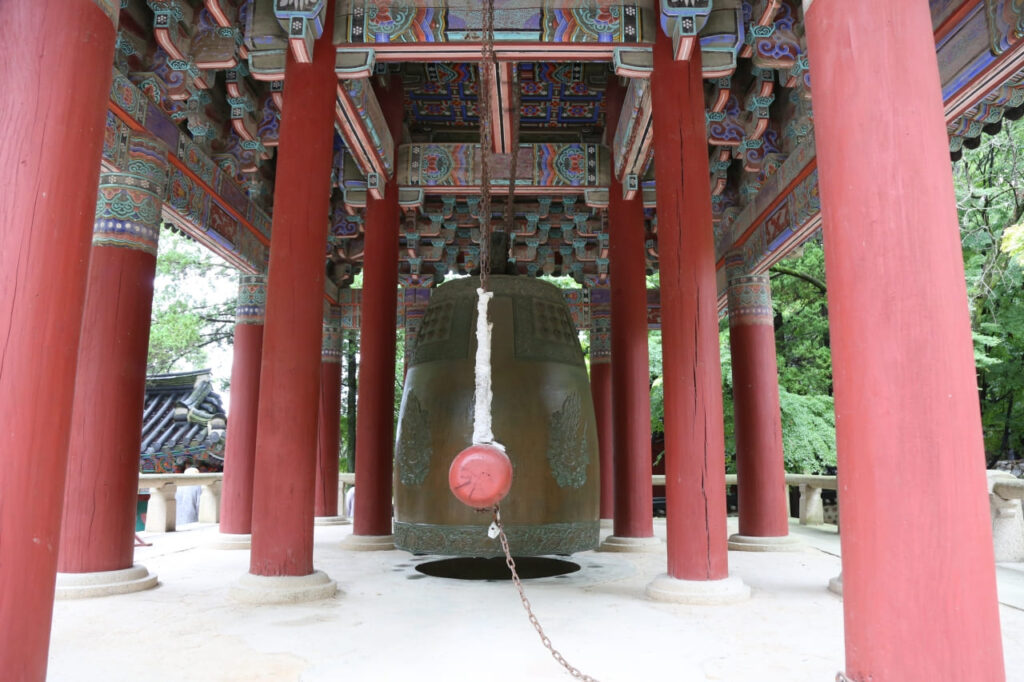
Arrive and head straight to Bulguksa Temple (불국사). As one of the finest examples of Buddhist architecture, this site offers a sense of profound order and peace. Take your time to appreciate the stone craftsmanship, which remains as vital today as it was in the 8th century. - Afternoon: The Royal Horizon
Return to the city center to visit the Daereungwon Tomb Complex (대릉원). Walking among these lush, grass-covered mounds at sunset creates a surreal, undulating silhouette against the sky. It is a powerful reminder of the enduring nature of history. - Evening: The Light of the Past
End your day at Donggung Palace (동궁)and Wolji Pond (월지). At night, the royal pavilions are illuminated, casting a golden reflection across the water. It is a cinematic, atmospheric end to your first day, embodying the prestige of the Silla Kingdom.
Day 2: The Modern Renaissance
Focus: Slow living, aesthetics, and contemporary creativity.
- Morning: Architectural Meditation
Start with a slow morning visiting Cheomseongdae Observatory (첨성대). Its elegant, minimalist form is best experienced in the quiet light of early morning. Pair this with a visit to the Gyeongju National Museum to see the intricate gold crowns and artifacts of Silla royalty. - Afternoon: The Creative Heart of Hwangnidan-gil
Spend your afternoon wandering through Hwangnidan-gil (황리단길).- Activity: Visit a tea house to experience a traditional ceremony, then explore local galleries that reinterpret Korean ceramics with a modern, design-focused eye.
- Evening: A Moment of Respite
Conclude your stay with a “Slow Food” dinner at a restaurant in the Hwangnidan-gil area. These local spots specialize in elevated, modern Korean cuisine using regional, seasonal ingredients. It is the perfect setting to reflect on the balance between the Gyeongju of the past and the Gyeongju of today.
Traveler’s Notes
- Transportation: While Gyeongju is rich in history, the central sites are quite walkable. For travel between the train station and the temple sites, local taxis or buses are efficient and highly accessible.
- The “Vibe”: This itinerary works best if you embrace the “slow travel” philosophy. Do not feel rushed to see every stone. Instead, focus on the texture of the experience—the smell of incense at the temple, the quality of the light in the cafes, and the quiet stillness of the royal mounds.
This itinerary ensures you experience the essential cultural “musts” while giving you the time and space to truly enjoy the city’s sophisticated, modern identity.
The Soul That Endures
Many cities preserve monuments.
Gyeongju preserves continuity.
Its greatest treasure is not a temple, a royal tomb, or an observatory.
It is the feeling that a thousand years remain part of everyday life.
Perhaps that is why Gyeongju feels unlike anywhere else in Korea.
It reminds us that progress does not always mean replacing the past.
Sometimes, true progress means carrying it forward with quiet confidence.
Gyeongju is not simply where Korean history began.
It is where Korean history still breathes.
History gave Gyeongju its identity.
The future will decide how it continues that story.
🛏️ Hotels in Gyeongju
Choose your preferred booking partner.





Why filmmakers keep returning to Gyeongju.
Some cities preserve history.
Gyeongju allows you to walk through it.
🎬 Gyeongju in Film & Drama
- Queen Seondeok (2009, 선덕여왕) Starring: Lee Yo-won, Go Hyun-jung, Uhm Tae-woong, Kim Nam-gil
The legendary story of Queen Seondeok and the rise of Silla, inspired by one of Korea's greatest ancient kingdoms. - Hwarang (2016, 화랑) Starring: Park Seo-joon, Park Hyung-sik, Go Ara, V (BTS)
A coming-of-age drama inspired by the elite Hwarang warriors of the Silla Kingdom. - Gyeongju (2014, 경주) Starring: Park Hae-il, Shin Min-a
A quiet, contemplative film where the ancient city itself becomes one of the main characters. - A Frozen Flower (2008, 쌍화점) Starring: Zo In-sung, Joo Jin-mo, Song Ji-hyo
Named after the famous Goryeo-era song "Ssanghwajeom," preserving a piece of Korea's medieval literary heritage.
A city doesn't have to choose between its future and its history.
The greatest cities find a way to honor both.
You May Also Like
- Buyeo – Invitation to a slower world
- Andong – Where Korea Learned to Listen
- Danyang — Korea’s Hidden Riverside Mountain Escape
- Namhae Travel Guide : Villa Stays with a European Coastal Mood
- Korea Travel Guide 2026 – Complete Itinerary, Cities & Travel Tips
More to Explore on KHOREA.COM
Discover more stories across Korea — choose a category that inspires you.