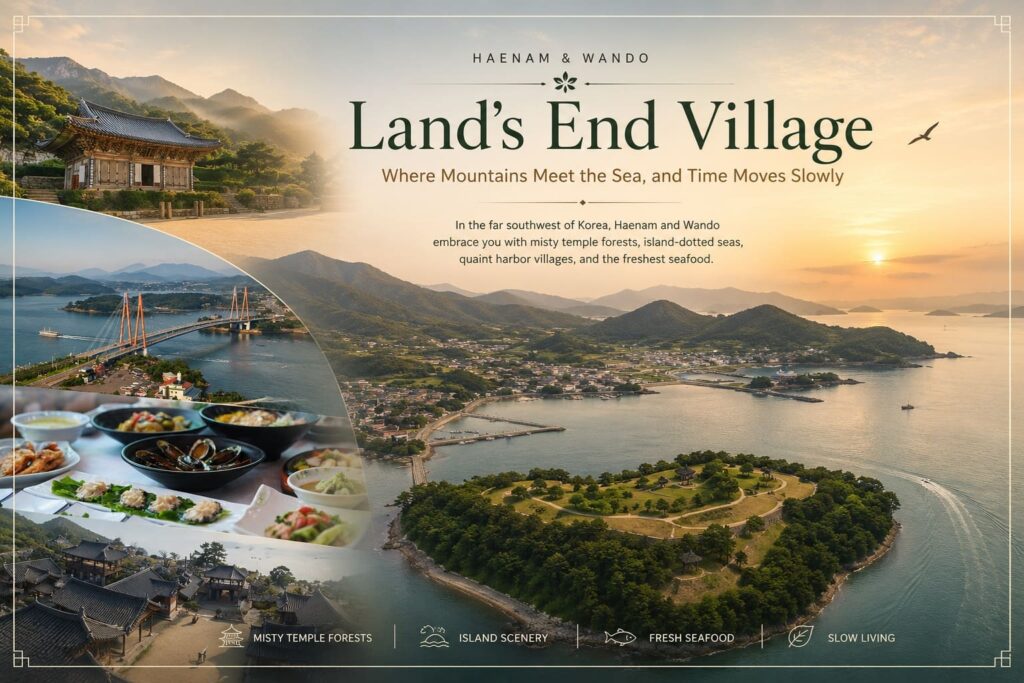
Nestled in the far southwestern edge of South Jeolla Province, Haenam and Wando offer a tranquil corner where forested mountains descend into island-studded seas. This region combines misty temple forests, terraced fields, quiet harbor towns, and fresh seafood, providing a memorable contrast to Korea’s fast-paced metropolitan centers.
Why It Matters
Haenam County
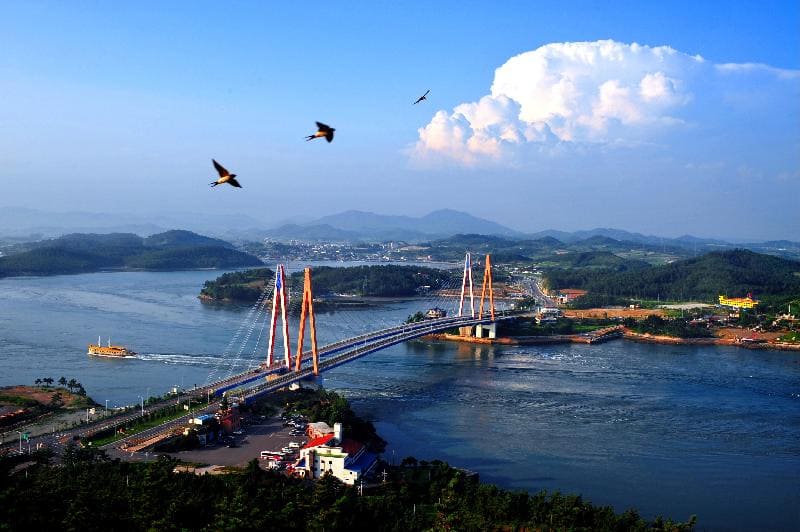
Positioned at the southernmost tip of the mainland, Haenam has historically served as Korea’s gateway to the southern ocean. It occupies a special place in Korean Buddhism as the birthplace of Korea’s modern tea tradition through Seon Master Cho-ui and Venerable Seosan Daesa (Hyujeong). Strategically, its swirling waters at Myeongnyang Strait (명량해협, 울돌목) hosted Admiral Yi Sun-sin’s legendary 1597 battle, where 13 Korean warships famously repelled over 130 invading vessels.
Wando County
Wando is a coastal island county with deep maritime history dating back to the 9th-century Unified Silla Kingdom. Admiral Jang Bogo established the Cheonghaejin naval garrison here, turning Wando into one of East Asia’s busiest maritime trade hubs that linked Tang Dynasty China, Silla Korea, and Heian Japan while protecting regional trade from piracy.
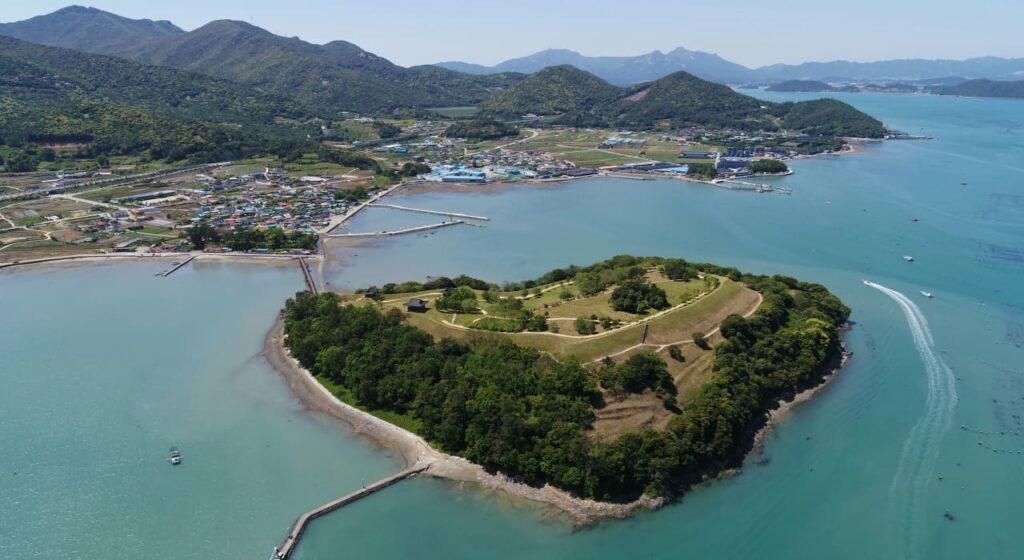
Tour Spots in Both Styles
1. Heritage-Focused, Architectural & Curated Photography
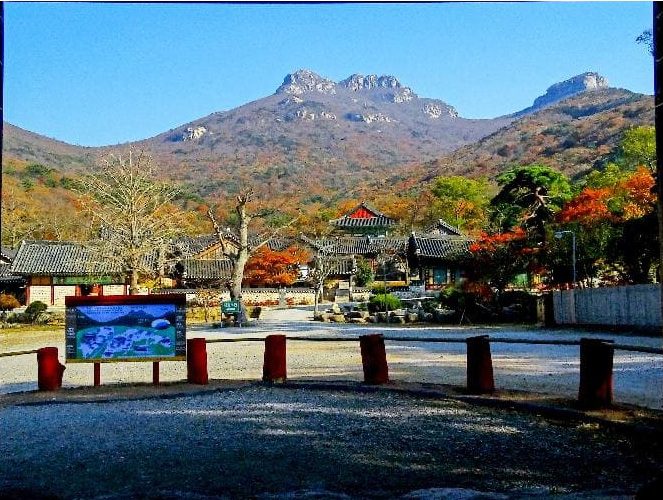
Daeheungsa Temple
- Cradled within the forested valleys of Duryunsan Mountain, this UNESCO World Heritage temple stands as a monument to Joseon-era timber architecture and Buddhist tea heritage.
- Key Highlights: Historic hall architecture, calligraphic wooden plaques by Joseon masters, and quiet tea appreciation rooted in Master Choui’s legacy.
- Ideal for: Heritage seekers, culture enthusiasts, and architectural photography.
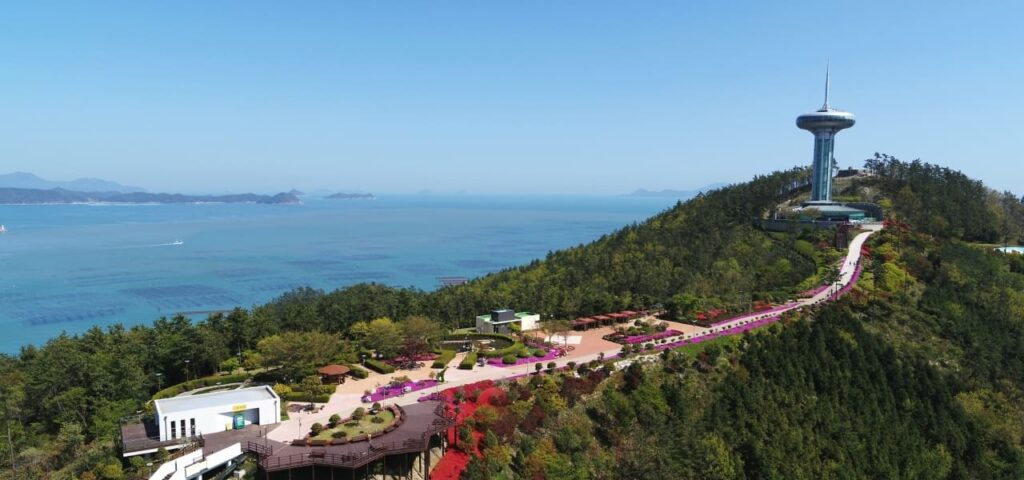
Wando tower
- Situated atop Dongmangsan Mountain, this 76-meter observation tower offers panoramic views over Wando Port and the surrounding island seascape.
- Key Highlights: Panoramic sunset views, night illumination displays, and clear views across the Dadohaehaesang National Park islands toward Jeju Island on clear days.
- Ideal for: Photography, coastal vistas, and evening sightseeing.
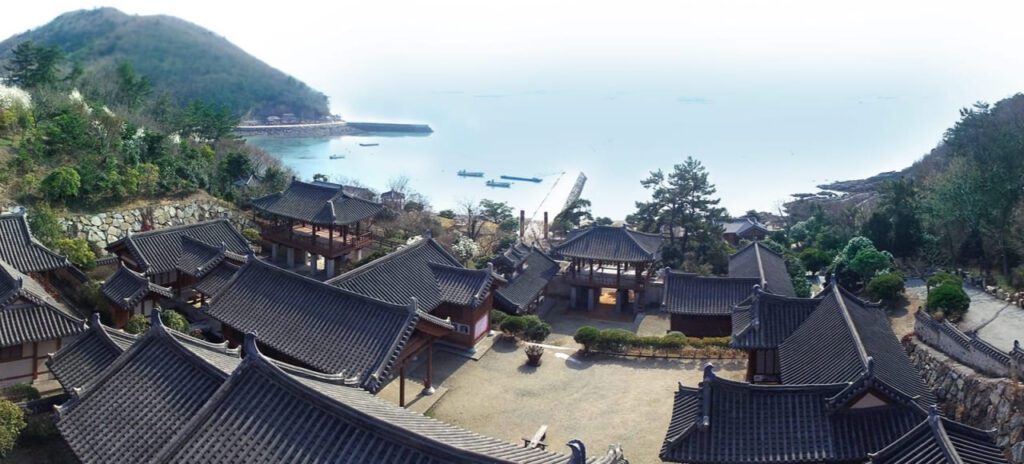
Cheonghae Port (Filming location for the drama God of the Sea)
- A reconstructed historical coastal village set along Wando’s sea cliffs that recreates the maritime world of the 9th century.
- Key Highlights: Traditional tile-roofed buildings, wooden trade vessels along the shore, and scenic coastal walking paths.
- Ideal for: History buffs, cinematic backdrops, and cultural exploration.
2. Slow Living, Minimalist Nature & Quiet Reflection
Cheongsando island
- Designated as Asia’s first official “Slow City,” this quiet island encourages gentle exploration along stone-walled paths and seaside trails.
- Key Highlights: Traditional terraced stone fields (guduljang-non), yellow canola fields during spring, and peaceful village walking routes.
- Ideal for: Mindful walking, slow travel, and rural coastal tranquility.
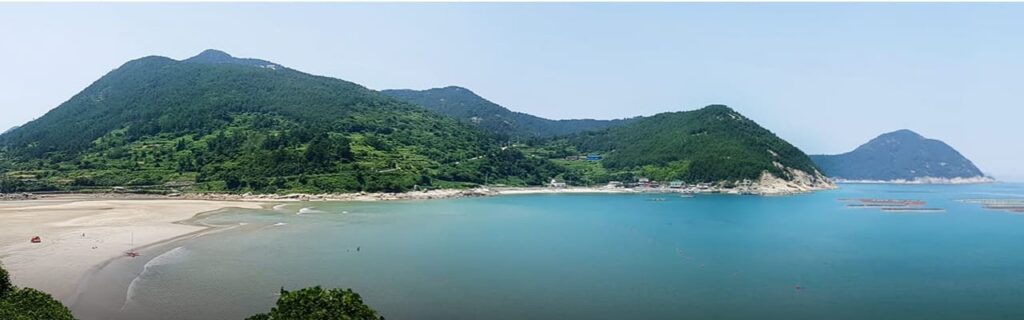
Mihwangsa Temple
- Positioned beneath the rocky ridges of Dalmasan Mountain, Mihwangsa is known for its unadorned wooden temple structures and ocean views.
- Key Highlights: Sunset views over the Yellow Sea, quiet mountain hiking via the Dalma-godo trail, and peaceful surroundings.
- Ideal for: Solitary travelers, nature meditation, and quiet mountain walks.
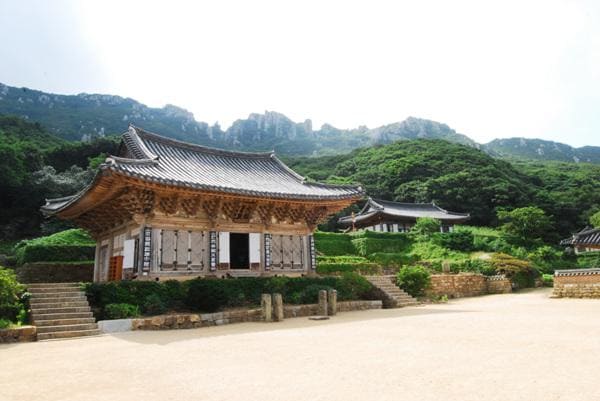
Land’s End Village (Ttangkkeut Village, 땅끝마을)
- Located at the geographical southernmost point of the mainland, this small fishing village offers a quiet vantage point where the Korean Peninsula quietly gives way to the open sea.
- Key Highlights: A coastal monorail ride to the observation point, seaside walking paths, and sunrise views over island clusters.
- Ideal for: Sunset lovers, quiet strolls, and symbolic landmark visits.
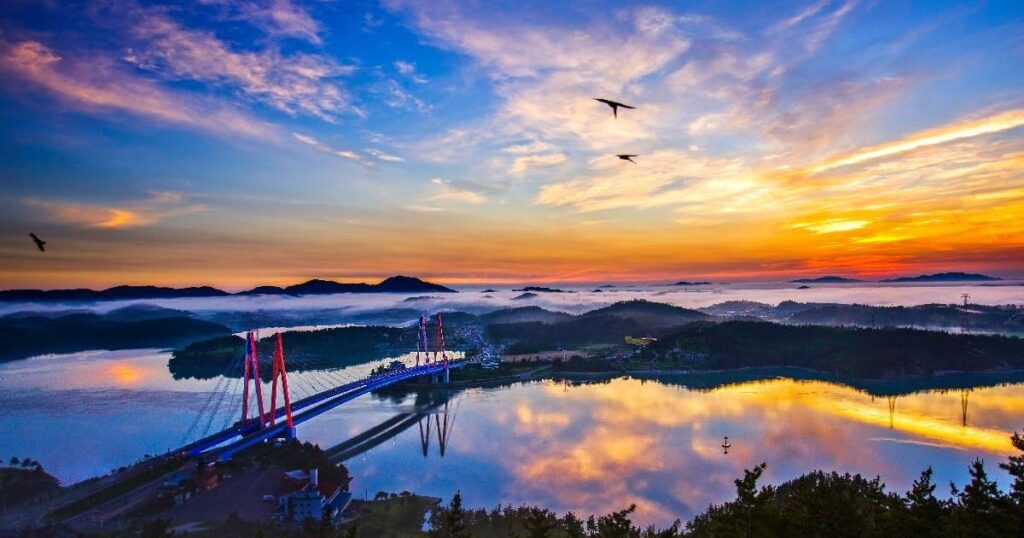
How to Get There Using KTX
Step 1: KTX from Seoul
Take a Honam KTX train at Yongsan station in Seoul bound for Mokpo station. The train journey takes approximately 2 hours and 30 minutes.
Step 2: Transfer via Intercity Bus
To Haenam:
From Mokpo Station, take a 10-minute taxi to Mokpo Intercity Bus Terminal, then take a direct intercity bus to Haenam Intercity Bus Terminal (approx. 50 to 60 minutes).
To Wando:
Take an intercity bus directly from Mokpo Bus Terminal to Wando Intercity Bus Terminal (approx. 1 hour and 20 minutes).
Haenam to Wando Connection:
Direct local buses run frequently between Haenam Bus Terminal and Wando Bus Terminal, taking around 45 minutes along Route 13.
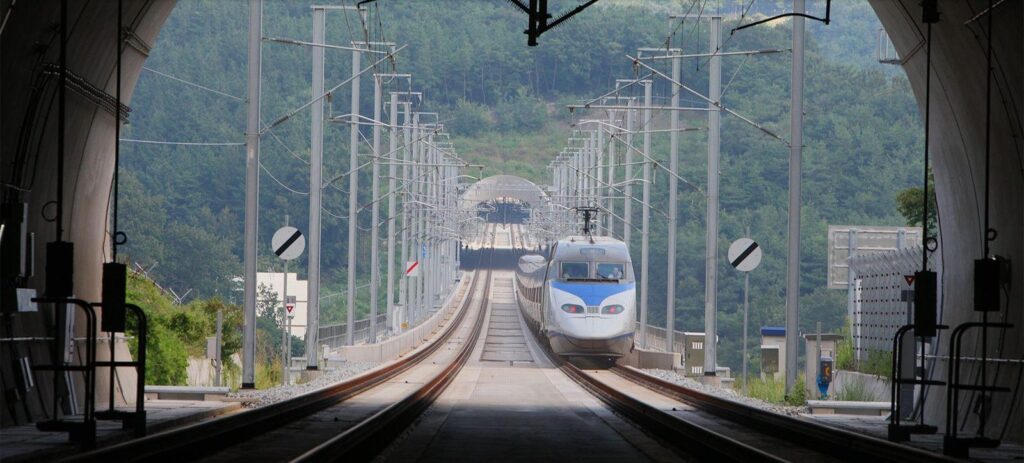
Travel Tips
Best Season to Visit
Spring (April–May): Perfect for catching the canola blossoms and green barley fields on Cheongsando Island during its annual Slow Walk Festival.
Autumn (October–November): Ideal weather for trekking around Duryunsan and Dalmasan mountains while enjoying autumn foliage.
Local Culinary Highlights
Wando Abalone:
Enjoy fresh abalone courses, abalone porridge (jeonbok-juk, 전복죽), and butter-roasted abalone near Wando Port.
Haenam Specialties:
Try the traditional native chicken course meal (tojongdak, 토종닭), roasted local sweet potatoes, and temple tea.

Ferry Travel Note
If planning a trip to Cheongsando Island, check the Wando Port ferry timetable in advance, as sailing schedules vary by season and sea conditions. Bring a valid photo ID (passport for international visitors).
Where the land gently meets the sea,
stories have always sailed with the tide.
🎬 K-Dramas & Movies with Haenam and Wando
- The Admiral: Roaring Currents (2014, 명량) Starring: Choi Min-sik, Ryu Seung-ryong
The legendary Battle of Myeongnyang took place near the waters between Haenam and Jindo, making this an essential film for understanding the region's maritime history. - Hope (2026, 호프) Starring: Hwang Jung-min, Zo In-sung, Jung Ho-yeon
Director Na Hong-jin’s sci-fi thriller starring Hwang Jung-min and Jo In-sung was filmed around the rural port setting of Namchang-ri in Haenam. - Our Blues (2022, 우리들의 블루스) Starring: Lee Byung-hun, Shin Min-a, Han Ji-min
A heartfelt portrait of island communities, fishermen, markets, and everyday life by the sea—perfect for travelers exploring Korea's southern coast. - Spring, Summer, Fall, Winter... and Spring (2003) Starring: Oh Young-soo, Kim Young-min
A timeless meditation on nature and life. Its tranquil atmosphere echoes the peaceful coastlines and slow rhythm of southern Korea. - Warm and Cozy (2015, 맨도롱 또똣) Starring: Yoo Yeon-seok, Kang So-ra
Although filmed mainly on Jeju Island, its relaxed seaside cafés and island lifestyle capture the same warm southern atmosphere found in Wando and Haenam. - Emperor of the Sea (2004,해신) Starring: Choi Su-jong, Soo Ae, Song Il-guk
The life story of Jang Bogo (Gungbok), who established Cheonghaejin in Wando, eradicate pirates, and seize control of East Asian maritime trade.
Final Words
Together, Haenam and Wando reveal two complementary sides of southern Korea—one rooted in centuries of history and quiet spirituality, the other shaped by the rhythm of the sea and island life.
Together, they offer a journey that blends heritage, culture, and slow living, allowing you to experience the full spectrum of Korea's southern coast.
🎟️ KHOREA Travel Desk
Choose your preferred booking partner.
🛏️ Hotels near Haenam and Wando





You May Also Like
- Suncheon, Where Korea Slows Down
- Yeosu Luxury Travel Guide
- Namhae Travel Guide
- Namwon – Memory of Emotion
- Korea in Autumn: A Curated Travel Guide 2026
- Healing Korea – When Food Becomes Medicine
More to Explore on KHOREA.COM
Discover more stories across Korea — choose a category that inspires you.